
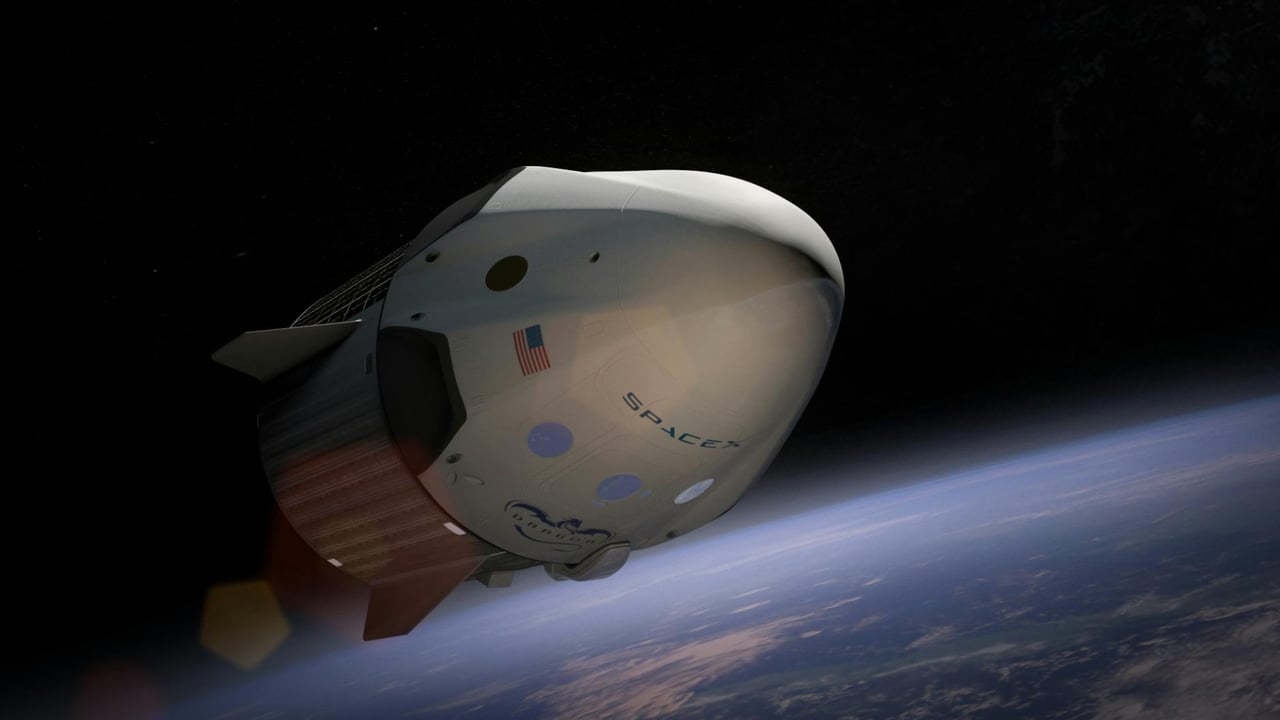

The European Space Agency (ESA) has finalized a pivotal shift in its interplanetary strategy, securing a launch contract with SpaceX for its Rosalind Franklin Mars rover. The mission, once inextricably linked with Russian technology, will now hitch a ride on a Falcon Heavy rocket, marking a total realignment of Western space exploration toward American commercial heavy-lift capabilities. This transition follows the collapse of previous cooperation with Roscosmos in the wake of the invasion of Ukraine.
NASA is playing a critical role in this rescue mission, providing the radioisotope heating units and throttleable braking engines required for a safe landing on the Martian surface. The integration of American hardware and the Falcon Heavy launch represents more than just a logistical solution; it signifies the formal consolidation of a Western space bloc that is increasingly independent of Russian infrastructure. For Europe, the move preserves a decade of scientific investment while acknowledging a new era of dependency on private US firms like SpaceX.
While the 2028 launch window remains the target, the mission faces significant engineering hurdles as ESA engineers work to replace the Russian-made 'Kazachok' lander with a newly developed European landing module. The collaboration underscores the 'Gold Decade' of space exploration, where the boundaries between government agencies and commercial entities are blurring. In China, observers are closely monitoring these developments, as Beijing accelerates its own Tianwen Mars program and expands its commercial aerospace sector to compete with the SpaceX model.
This shift in the ExoMars program also highlights the strategic vulnerability of international science projects to geopolitical volatility. By choosing the Falcon Heavy, ESA is opting for a flight-proven platform that offers the necessary thrust for heavy payloads, a move that likely signals the end of large-scale Euro-Russian deep-space cooperation for the foreseeable future. The mission will now move forward as a transatlantic endeavor, redefining the power dynamics of the new space race.