
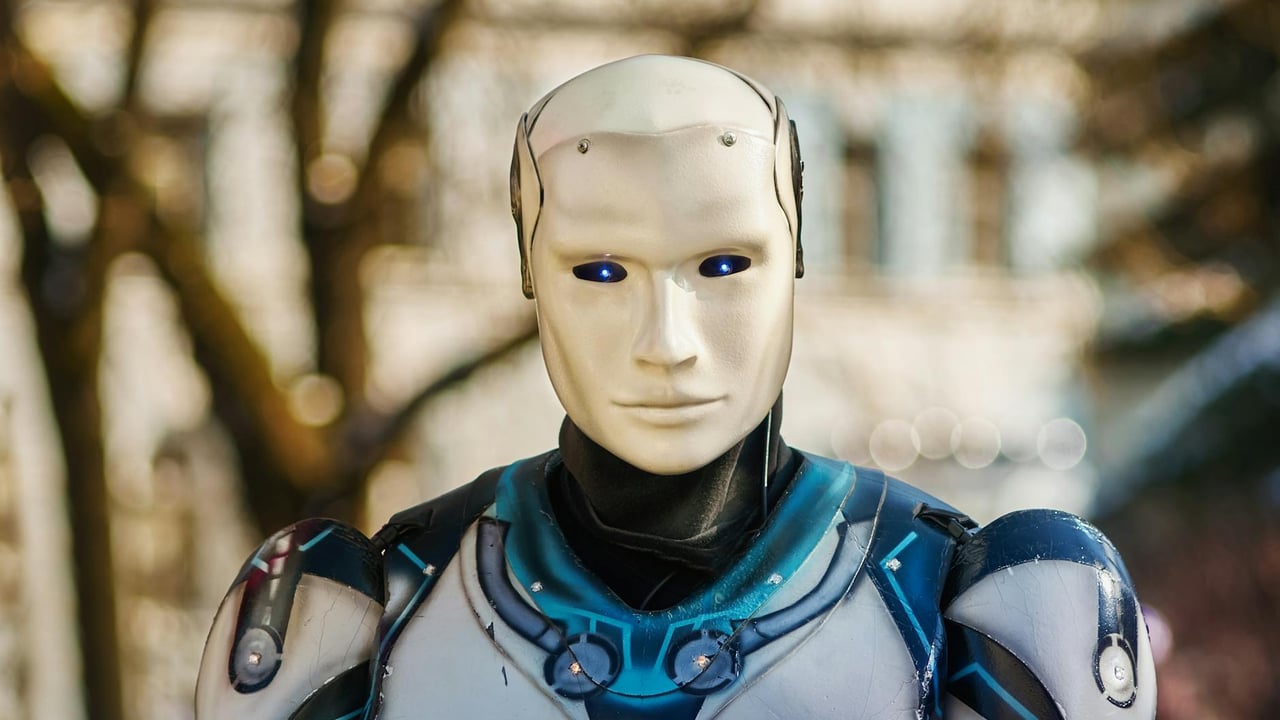

On April 19, 2026, the streets of Beijing’s Yizhuang district will transform into a laboratory for the future of embodied intelligence. The 2026 Humanoid Robot Half-Marathon is no longer a mere curiosity for tech enthusiasts; it has evolved into a grueling 21-kilometer stress test for more than 100 competing teams. Traversing high-rise corridors and the winding paths of Nanhaizi Park, these bipedal machines must navigate a course featuring ten different types of terrain, including steep slopes and 90-degree turns.
This year’s race introduces a pivotal shift in scoring that signals China's broader industrial ambitions. For the first time, organizers have implemented a weighted scoring system that penalizes remote-controlled robots with a 1.2x time coefficient. This policy effectively 'taxes' machines guided by humans, forcing the industry to pivot toward full autonomy. Success now depends on a robot's ability to 'think' independently, using onboard sensor fusion—vision, LiDAR, and inertial units—to map paths and avoid obstacles in real-time.
The technological leap since 2025 is stark. Last year, the winning robot completed the course in 2 hours and 40 minutes while following a human pacer. This year, the 'Tiangong Ultra' model from the Beijing Embodied AI Innovation Center is attempting the course entirely autonomously. Early trials suggest it may even challenge human professional speeds, potentially rivaling world-class athletic records and proving that the latency between perception and bipedal execution is rapidly closing.
The competitive field has also expanded from five provinces to thirteen, drawing in international entries from Germany, France, and Brazil. Domestic giants like Honor are entering the fray for the first time with specialized models like 'Flash,' a speed-focused warrior, and 'Yuanqi,' designed for humanoid gait optimization. This surge in participation reflects a maturing ecosystem where the goal is no longer just 'not falling down' but achieving 'New Quality Productive Forces' through superior industrial design and battery endurance.
Beyond the race for the finish line, the event is tethered to pragmatic applications through the 'Robot Warrior Challenge.' This companion competition focuses on emergency rescue scenarios, testing how these humanoid platforms perform in high-risk environments. By combining a public spectacle with rigorous engineering requirements, Beijing is accelerating the transition of humanoid robots from laboratory prototypes to viable solutions for labor-intensive and hazardous real-world tasks.