
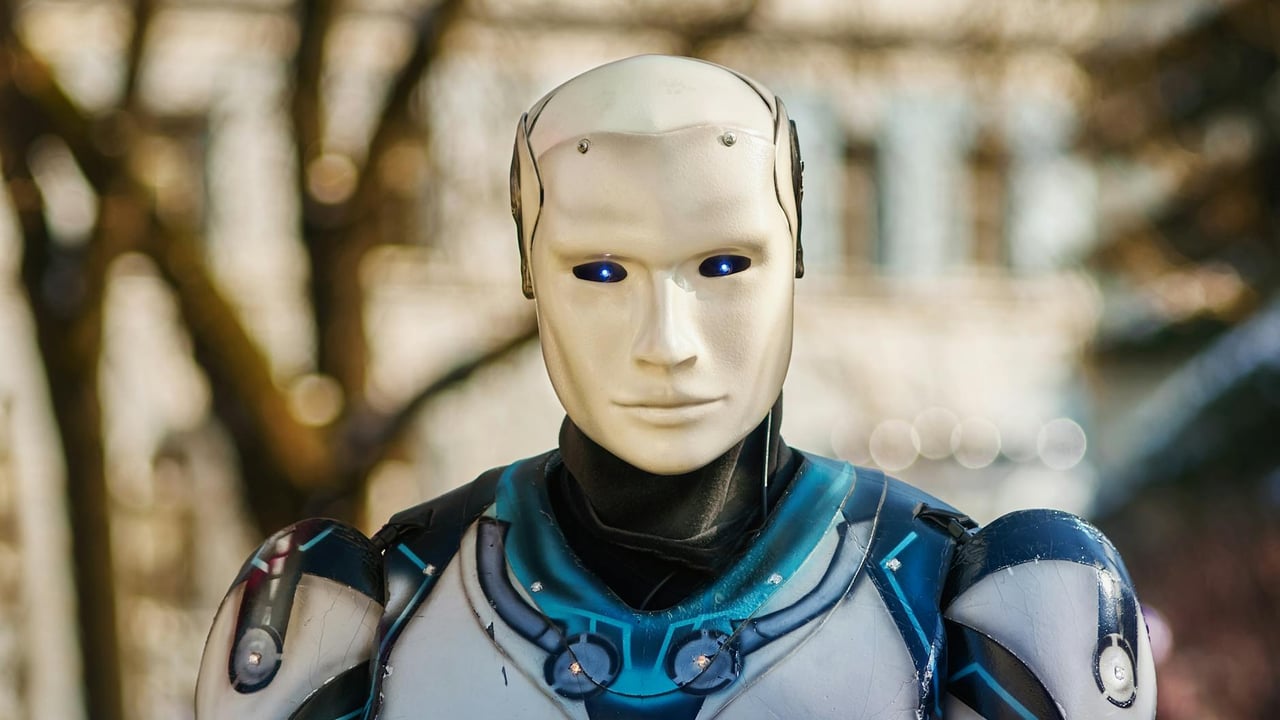

The streets of Beijing’s tech hubs are transforming into a high-stakes proving ground as the 2026 Humanoid Robot Half Marathon prepares to kick off. This year’s event marks a significant shift in the robotics landscape, boasting a record-breaking roster of over 100 teams. For the first time, the competition has shed its purely domestic skin, attracting international entries from France, Germany, and Brazil, signaling China’s growing role as a central hub for embodied artificial intelligence.
While the spectacle of bipedal machines attempting a 21-kilometer run captures public imagination, the underlying reality is one of rigorous industrial stress-testing. Early reports from trial runs suggest a polarized field, with some units displaying remarkable fluidity while others struggle with catastrophic hardware failures. This 'half racing, half crashing' dynamic highlights the immense difficulty of maintaining balance, thermal regulation, and power efficiency in a form factor that mimics human physiology.
Technical milestones are nevertheless being set, with new entries like the Tiangong 3.0 and the Yuanzheng A3 showcasing the transition from laboratory prototypes to resilient, 'out-of-the-box' units. The Yuanzheng A3, in particular, claims a ten-hour battery life, addressing one of the most persistent bottlenecks in mobile robotics. These machines are no longer tethered to power cables or controlled by simple scripts; they are increasingly powered by embodied AI that processes visual and tactile data in real-time.
Beyond the race itself, the event serves as a showcase for Beijing’s new humanoid robot pilot platforms. These specialized facilities are designed to bridge the 'valley of death' between research and mass production, providing the infrastructure needed to scale manufacturing. As robots like the Tiangong series begin autonomous navigation in complex urban environments, the focus is shifting from whether these machines can walk to whether they can reliably perform labor-intensive tasks for hours on end.