
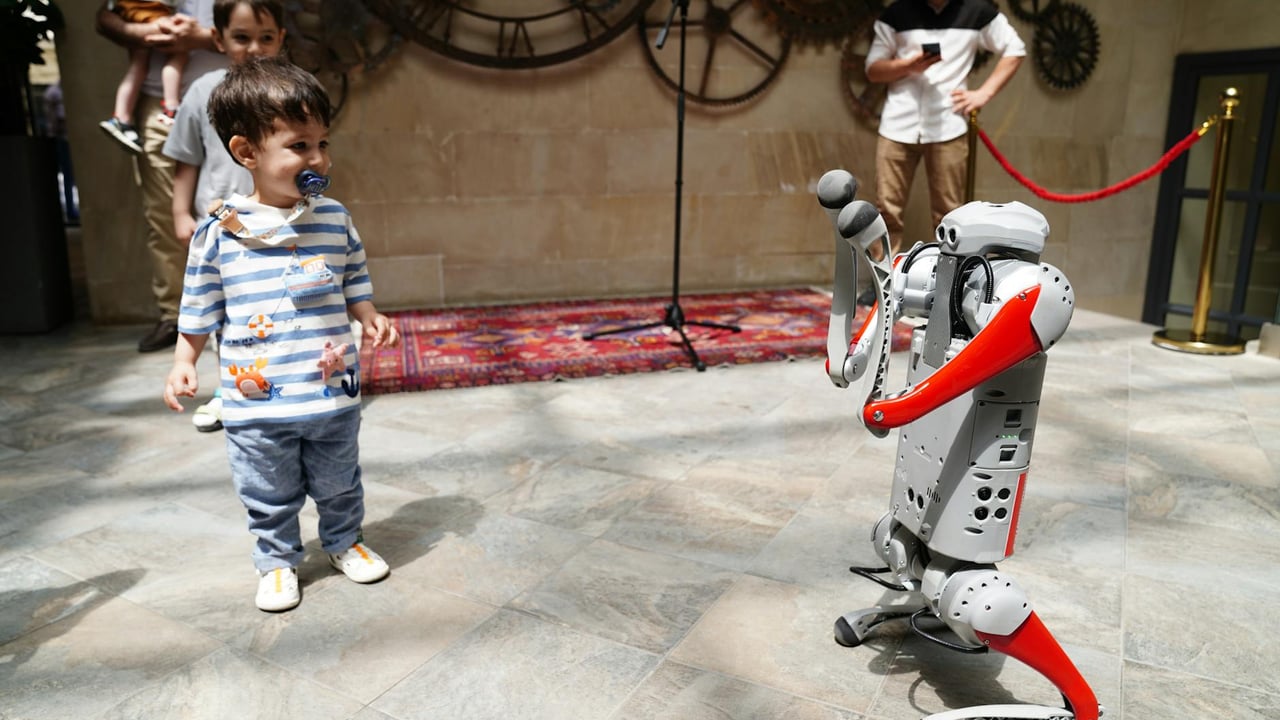

The 2026 China Retail Trade Fair has unveiled a startling glimpse into a future where the human touch is increasingly optional. In metropolitan centers across the country, the traditional convenience store is undergoing a radical metamorphosis, moving beyond simple self-checkout kiosks to fully autonomous ecosystems. These 24/7 establishments are now managed by 'embodied AI'—humanoid robots capable of shelf-stocking, inventory management, and even complex customer interactions without human oversight.
This shift represents the commercial maturation of China's 'New Quality Productive Forces' initiative. Industry giants are no longer focused solely on large language models (LLMs) but are successfully integrating that intelligence into physical hardware. From 'AI Crayfish' task-management systems that oversee supply chains to humanoid models like the Tiangong 3.0 participating in public marathons, the barrier between digital intelligence and physical labor is effectively dissolving.
The proliferation of these technologies is not merely a pursuit of novelty but a strategic response to structural demographic shifts. As China's working-age population continues to contract, the retail sector is leading the charge in automation to maintain 24/7 service availability. The expo showcased a range of 'out-of-the-box' robotic solutions, suggesting that the cost of deploying a robotic store manager is rapidly approaching parity with human labor costs in Tier-1 cities.
Beyond the storefront, the societal integration of robotics is reaching idiosyncratic levels of ubiquity. Reports from the expo and concurrent regional events highlight robots performing minority folk dances in Guangxi and even autonomous units being exported to manage wildlife in Europe. This suggests a burgeoning 'robotics-as-a-service' (RaaS) industry that China intends to dominate globally, leveraging its unmatched manufacturing supply chain to scale 'Embodied AI' faster than its international competitors.