
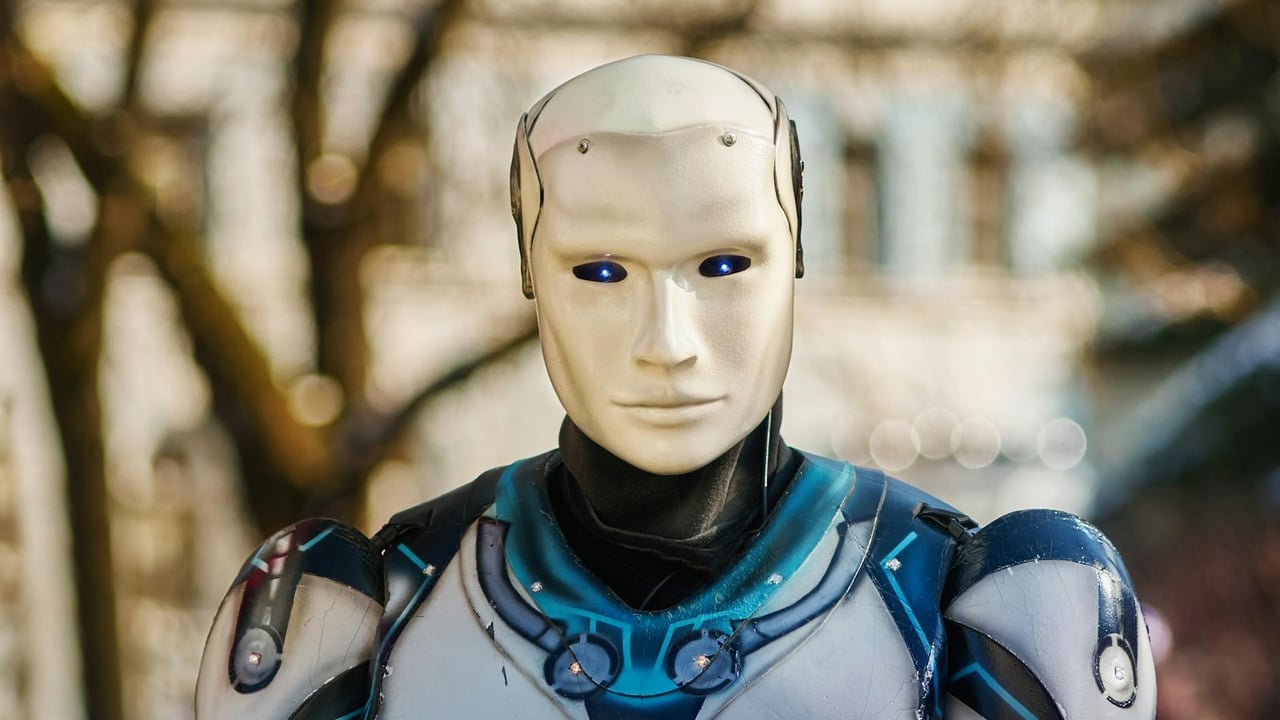

The streets of Beijing’s Yizhuang district are becoming the ultimate proving ground for the next generation of artificial intelligence. In a spectacle that blurs the line between science fiction and industrial testing, the 2026 Humanoid Robot Half-Marathon has captured international attention. Among the high-profile entrants is the Gaode Momentum robot, which recently announced its official debut. This event is not merely a race but a high-stakes demonstration of 'embodied intelligence'—the ability of AI to interact seamlessly with the physical world.
While the sight of bipedal machines navigating a 21-kilometer course is impressive, the reality on the ground remains a mix of technological triumph and mechanical comedy. Test runs leading up to the main event have seen robots 'sprinting' alongside their human creators, who often trail behind with laptops in hand to manage sudden system failures. Industry insiders describe the current state of the field as 'half-racing, half-crashing,' highlighting the immense difficulty of maintaining balance and autonomy over long distances in unpredictable environments.
Technically, the race serves to expose a critical bottleneck in the robotics industry. While Large Language Models (LLMs) like GPT have reached maturity through vast quantities of text data, humanoid robots suffer from a massive data deficit. Current estimates suggest that training data for physical robotics has not even reached one percent of the volume required for true autonomy. Competitions like the Yizhuang Marathon are designed to generate this vital 'real-world' data, forcing machines to solve complex problems involving terrain navigation, battery management, and collision avoidance in real-time.
The regulatory framework of the race also reflects the experimental nature of the technology. Unlike human marathons, the first robot to cross the finish line is not guaranteed a trophy. Scoring is weighted heavily toward autonomy and stability; robots that require remote human intervention or frequent resets are penalized. This shift in criteria underscores the industry's focus: it is not enough for a robot to move fast; it must move intelligently and independently if it is ever to find a place in the domestic workforce or eldercare sectors.