
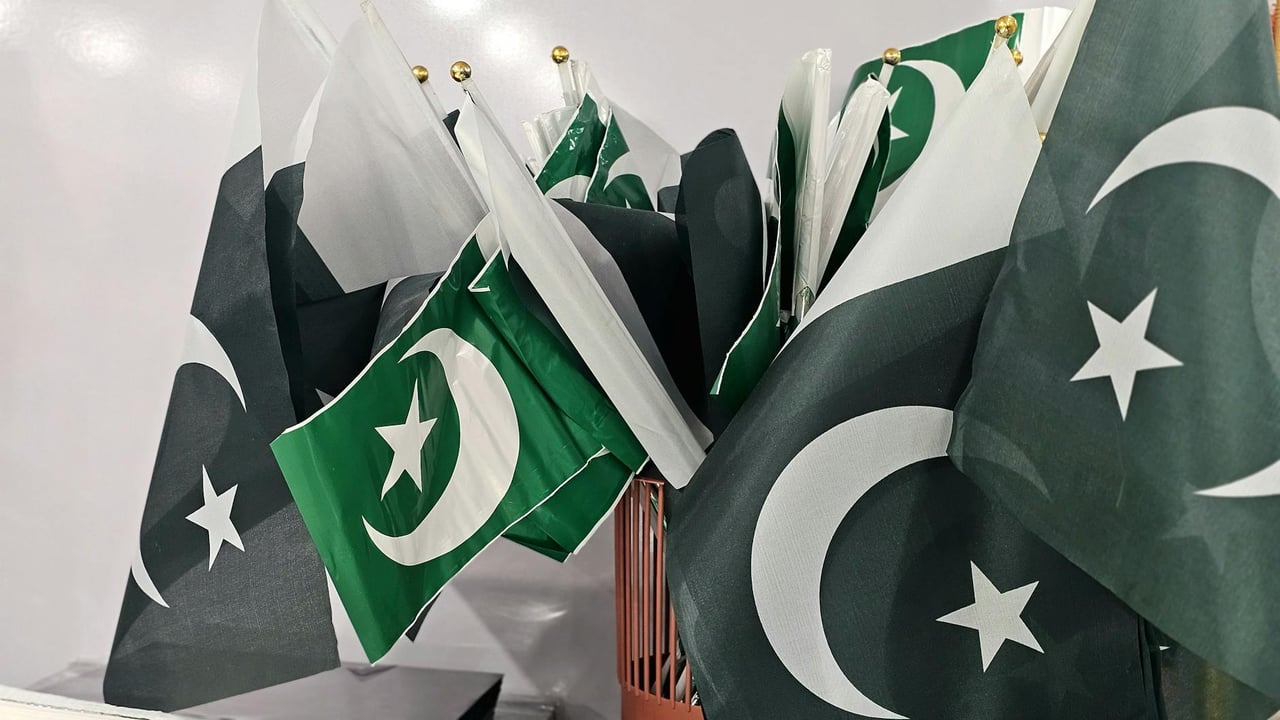

As the spring of 2026 unfolds, the thoroughfares of Islamabad are undergoing a rapid and high-profile transformation. The Pakistani capital’s main welcome boulevards are being refurbished with an urgency that suggests more than mere urban maintenance. This cosmetic overhaul serves as the physical prelude to a high-stakes diplomatic theater: the hosting of a new round of negotiations between the United States and Iran.
For Pakistan, the role of host is a strategic maneuver designed to elevate its standing as a neutral arbiter in a volatile region. By facilitating dialogue between Washington and Tehran, Islamabad is attempting to reposition itself not just as a regional security actor, but as a sophisticated diplomatic hub. The choice of venue underscores a rare moment of alignment where both Western and Middle Eastern interests converge on neutral ground.
This upcoming summit arrives at a critical juncture in global energy and security policy. After years of stalled progress and shifting alliances, the 2026 talks represent a concerted effort to prevent further regional escalation. The physical preparation of the city reflects the gravity Pakistan places on the success of these meetings, which could redefine the geopolitical landscape of the South Asian and Persian Gulf corridors.
Observers note that the successful facilitation of these talks would provide Pakistan with significant diplomatic leverage. Beyond the immediate prestige, a breakthrough in US-Iran relations could ease the pressure on regional infrastructure projects, such as energy pipelines that have long been hampered by sanctions. For now, the fresh asphalt and manicured greenery of Islamabad stand as silent witnesses to the heavy burden of global expectations.