Standoff at Sea: Tehran Rejects Fresh US Negotiations Over Maritime Blockade

Iran has officially declined the next round of talks with the United States, citing a US maritime blockade and excessive demands as the primary reasons for the deadlock. The message was relayed via Pakistan, signaling Tehran's refusal to engage in protracted and meaningless diplomacy under current conditions.

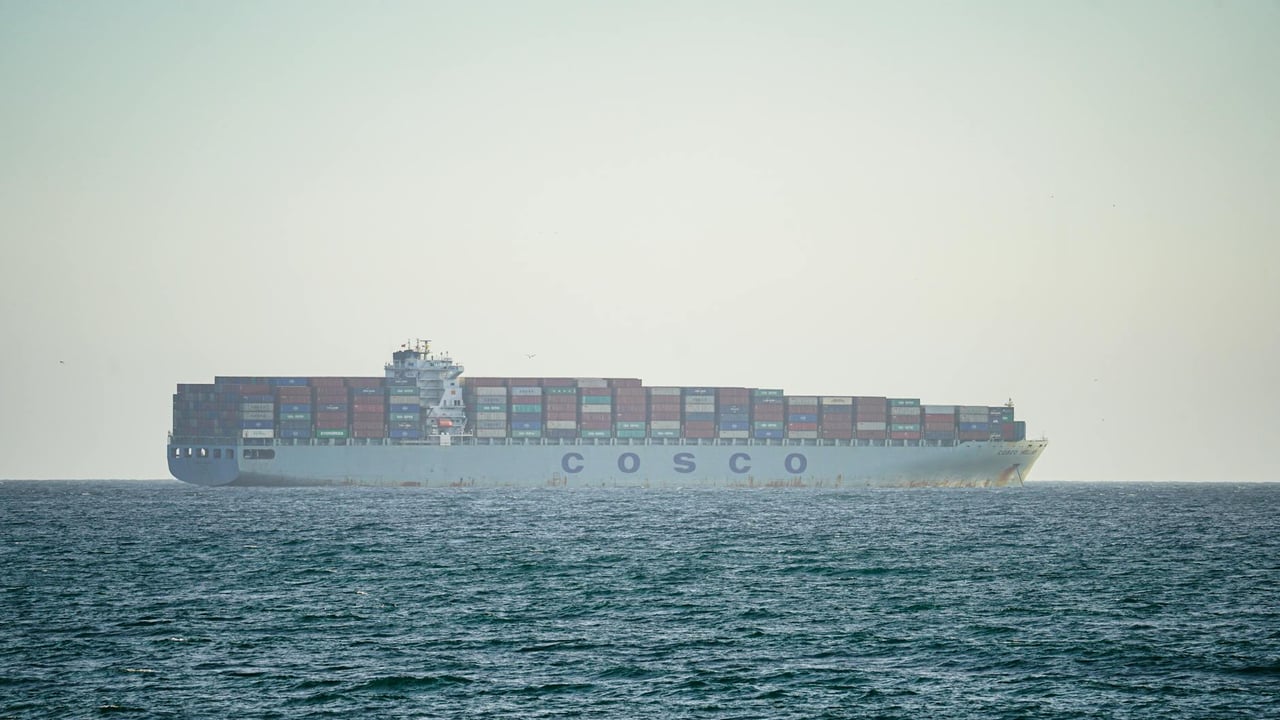
A cargo ship transporting containers across the Pacific Ocean near Long Beach, California.

Key Takeaways

  • 1Iran has rejected the upcoming round of negotiations with the US, citing a lack of progress and unfair conditions.
  • 2The primary grievances cited by Tehran include an active US maritime blockade and unreasonable demands during preliminary talks.
  • 3Pakistan served as the diplomatic intermediary to relay Iran's refusal to American officials.
  • 4Tehran has explicitly stated it will not waste time on protracted negotiations that do not address its core concerns regarding economic pressure.
  • 5The suspension of talks indicates a significant setback for regional de-escalation efforts.

Editor's
Desk

Strategic Analysis

This latest development highlights the fragility of back-channel diplomacy between Washington and Tehran. The mention of a maritime blockade is particularly significant; it suggests that US efforts to squeeze Iranian oil exports or disrupt its shipping lanes are reaching a breaking point for the Islamic Republic. By walking away from the table, Tehran is attempting to force the US to choose between de-escalation at sea or a complete collapse of the diplomatic track. This brinkmanship is likely intended to demonstrate that Iran will not negotiate under immediate duress, seeking to pressure international partners to intervene as mediators.

China Daily Brief Editorial
Strategic Insight
China Daily Brief

Iran has signaled a hardening of its diplomatic stance by refusing to participate in the next scheduled round of negotiations with the United States. This decision, communicated through Pakistani intermediaries, underscores the growing friction in a relationship already strained by sanctions and regional competition.

The refusal stems from what Tehran describes as an unacceptable maritime blockade imposed by the United States and a series of excessive demands presented during recent exchanges. Iranian officials have made it clear that they will not return to the table until Washington revises its approach to these core issues.

By utilizing Pakistan as a diplomatic conduit, Iran is signaling that while direct lines are frozen, the framework for communication remains extant. However, the insistence on avoiding meaningless negotiations suggests a shift from constructive engagement to a strategy of strategic patience or tactical withdrawal.

This deadlock reflects a broader geopolitical impasse where both nations are testing the limits of leverage. For Tehran, the maritime restrictions represent a direct threat to its economic survival, making any diplomatic concession under such pressure politically untenable at home.

Share Article

Related Articles

📰
No related articles found