Trump’s Brinkmanship: The Wednesday Deadline That Could Restart the Iran Air War

President Trump has issued a sharp ultimatum to Iran, threatening to resume aerial bombing if a diplomatic breakthrough is not achieved by Wednesday, April 22. While the U.S. will maintain its naval blockade, the threat of renewed kinetic strikes marks a significant escalation in the administration's negotiation tactics.

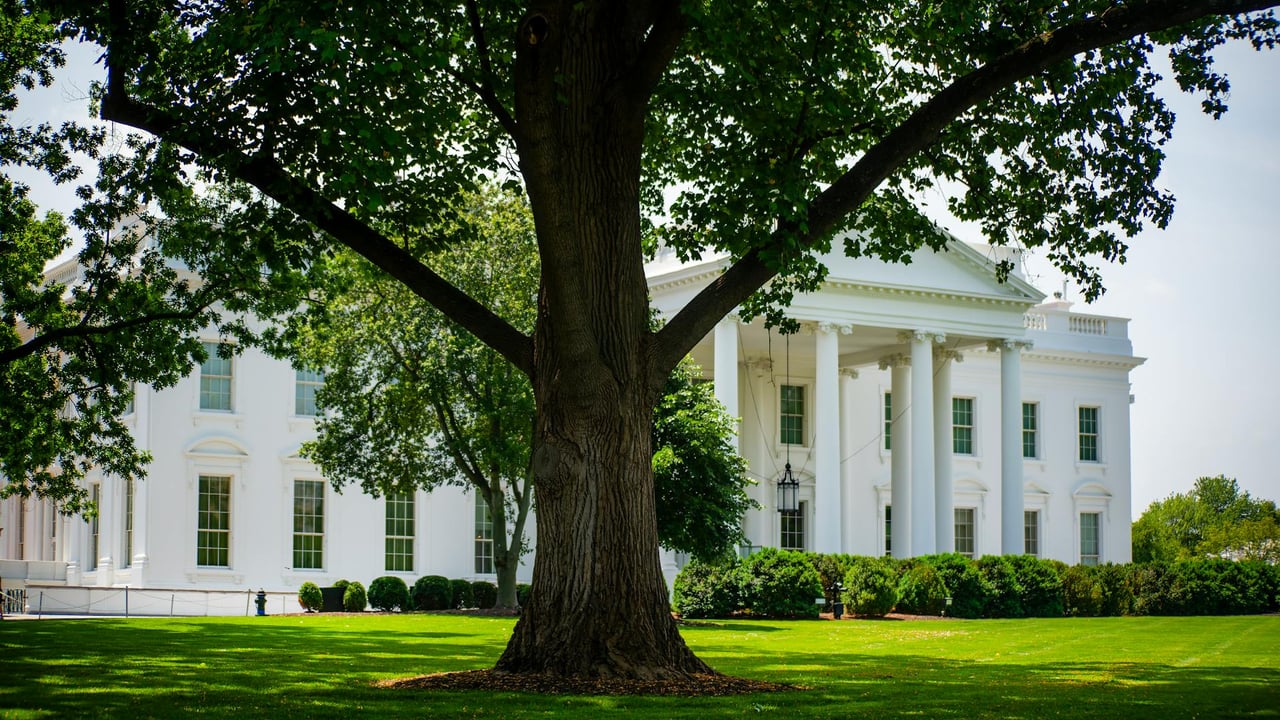
A view of the White House with lush greenery on a summer day, featuring a prominent tree.

Key Takeaways

  • 1President Trump set an April 22 deadline for a new agreement with Iran.
  • 2The U.S. may terminate the current ceasefire and resume bombing operations if the deadline is missed.
  • 3A naval blockade of Iranian ports will continue to be enforced regardless of the ceasefire status.
  • 4Trump publicly maintains that a deal is still likely despite the threat of military action.
  • 5The move represents a return to high-stakes 'maximum pressure' to force Iranian concessions.

Editor's
Desk

Strategic Analysis

This move represents a classic high-stakes gamble that leverages the threat of total conflict to achieve specific diplomatic concessions. By explicitly mentioning the resumption of bombing, Trump is testing the internal stability of the Iranian regime and the resolve of its international partners. The 'Wednesday deadline' serves as a psychological lever intended to bypass bureaucratic inertia in Tehran, but it also creates a 'commitment trap' for Washington. If the deadline passes without a deal or a strike, the credibility of American deterrence could be weakened; if a strike occurs, it risks a multi-front war that could disrupt global oil supplies and drag in regional powers. The strategy assumes that Iran's current economic desperation under the port blockade makes them more likely to fold than to fight.

China Daily Brief Editorial
Strategic Insight
China Daily Brief

Donald Trump’s signature brand of "maximum pressure" diplomacy has returned to the forefront of Middle Eastern geopolitics with a stark new ultimatum. Speaking to reporters aboard Air Force One on April 17, 2026, the President signaled that the current fragile ceasefire with Iran is nearing its breaking point. Unless a comprehensive agreement is reached by the coming Wednesday, the United States may pivot back from uneasy peace to direct military engagement.

The rhetoric provided by the White House was characteristically blunt and designed to unsettle. Trump indicated that while the maritime blockade of Iranian ports—a move that has already throttled the Islamic Republic’s economy—will remain in place, the suspension of aerial operations is now conditional. He warned that he might "again start dropping bombs" if Tehran fails to meet U.S. demands by the April 22 deadline, a statement that has immediately sent ripples through international energy markets and diplomatic circles.

This ultimatum arrives at a critical juncture for a region already exhausted by years of economic sanctions and localized skirmishes. By setting a hard deadline, Trump appears to be attempting to force a breakthrough in negotiations that have likely hit a tactical stalemate. The dual-track approach—threatening kinetic force while maintaining a naval chokehold—is a calculated effort to leave the Iranian leadership with a narrow choice between total capitulation or military escalation.

Despite the aggressive posture, the President maintained a veneer of characteristic optimism, suggesting that a deal "will happen." This strategy of pairing extreme threats with the promise of a grand bargain is a familiar tool from the Trumpian playbook. However, the stakes in 2026 are arguably higher than ever, as global alliances have become more fragmented and the threshold for a wider regional conflagration remains dangerously low.

Share Article

Related Articles

📰
No related articles found