

Tehran has signaled a hardening stance in its fraught relationship with Washington, formally notifying U.S. officials that it has not yet agreed to participate in a proposed new round of negotiations. The message, delivered through Pakistani intermediaries, underscores a deepening chill as both nations grapple with a volatile security environment in the Persian Gulf and beyond.
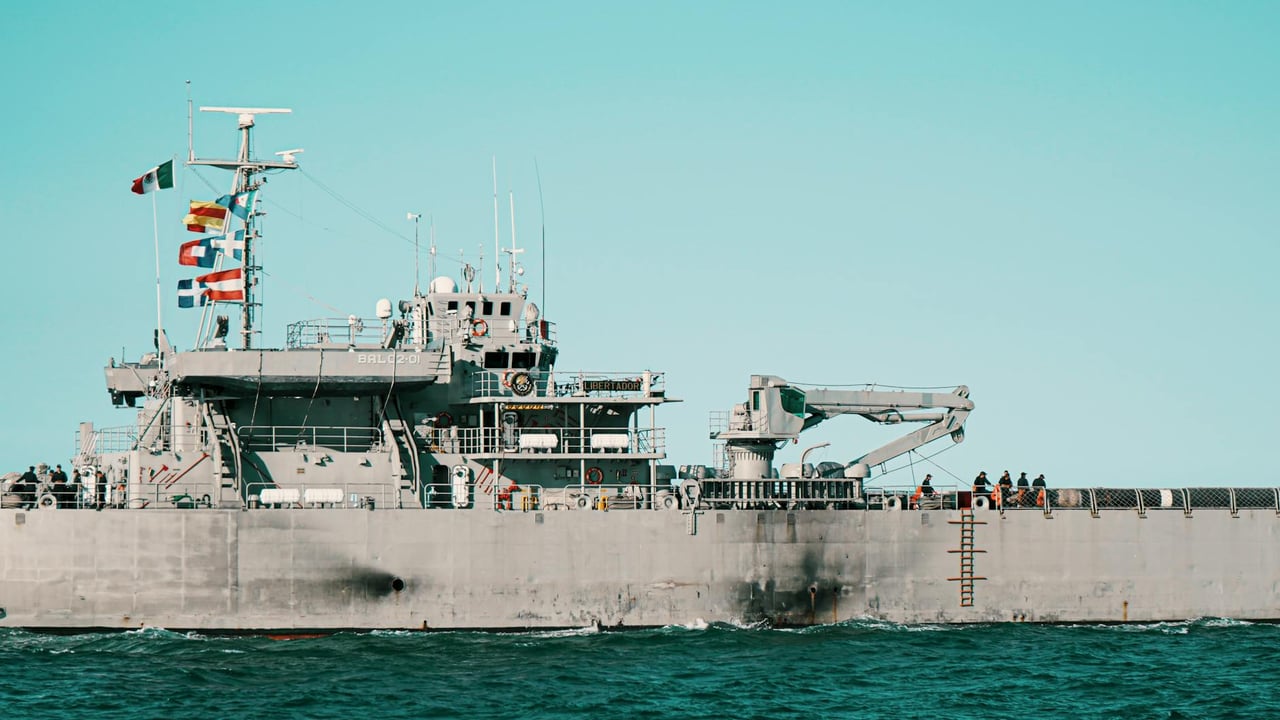
According to reports from the Tasnim News Agency, the decision to stall further dialogue stems from two primary grievances: the continued implementation of what Tehran describes as a maritime blockade and the perception of "excessive demands" by American negotiators. Iranian officials have made it clear that their presence at the table is contingent on a fundamental shift in U.S. strategy and the cessation of physical economic pressure.
The mention of a maritime blockade represents a significant escalation in rhetoric, pointing toward a more aggressive enforcement of sanctions or physical interdiction of Iranian vessels. By framing the issue this way, Tehran is positioning the U.S. as the primary aggressor, making any future diplomatic engagement appear as a concession from a position of duress rather than a mutual effort toward de-escalation.
Iran’s insistence that it will not "waste time on protracted and meaningless negotiations" suggests a pivot toward strategic patience or alternative leverage. Without a perceived path toward sanctions relief or a cessation of maritime pressure, the Iranian leadership seems increasingly willing to let the diplomatic clock run out, potentially seeking to strengthen its hand through domestic resilience or regional partnerships.