
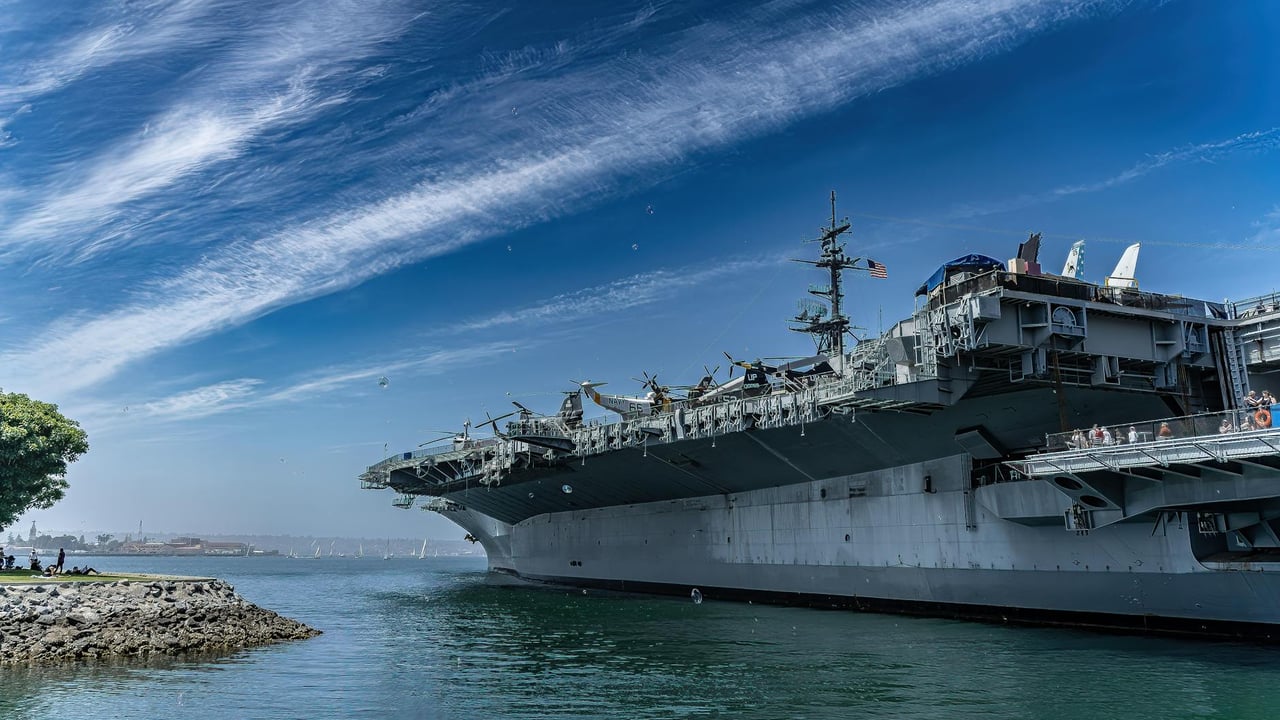

The relocation of the USS Gerald R. Ford, the U.S. Navy’s most advanced nuclear-powered aircraft carrier, from the Eastern Mediterranean to the Red Sea marks a significant tactical pivot in American maritime strategy. Accompanied by two guided-missile destroyers, the Ford’s transit through the Suez Canal signals a shift in focus from the immediate stabilization of the Levant to the growing instability of the world’s most critical shipping lanes. For months, the carrier group served as a high-profile deterrent against the regional escalation of the Israel-Hamas conflict, but the theater of concern has clearly widened.
This movement occurs at a time when the Red Sea has become a primary flashpoint for global trade and security. Persistent threats to commercial vessels near the Bab el-Mandeb strait have forced the Pentagon to reevaluate its distribution of naval assets. By moving the Ford into these waters, the United States is signaling its commitment to maintaining freedom of navigation against asymmetric threats, particularly those posed by regional proxies and non-state actors operating along the Yemeni coast.
The logistical and strategic implications of this deployment are profound. While the Eastern Mediterranean remains a zone of high interest, the Red Sea requires the sophisticated air defense and surveillance capabilities that only a carrier strike group can provide. The presence of the Ford allows the U.S. to project power across a vast maritime corridor that connects European markets with Asian energy and goods, effectively acting as a mobile airfield in a region where land-based access can be politically sensitive.
However, the redeployment also highlights the persistent strain on U.S. naval resources. Shuffling a premier carrier between these two adjacent but distinct maritime theaters suggests a 'zero-sum' challenge in regional deterrence. As the U.S. attempts to balance its long-term goals in the Indo-Pacific with immediate crises in the Middle East, the movement of the Ford represents a reactive but necessary adjustment to a volatile geopolitical landscape that refuses to stabilize.