
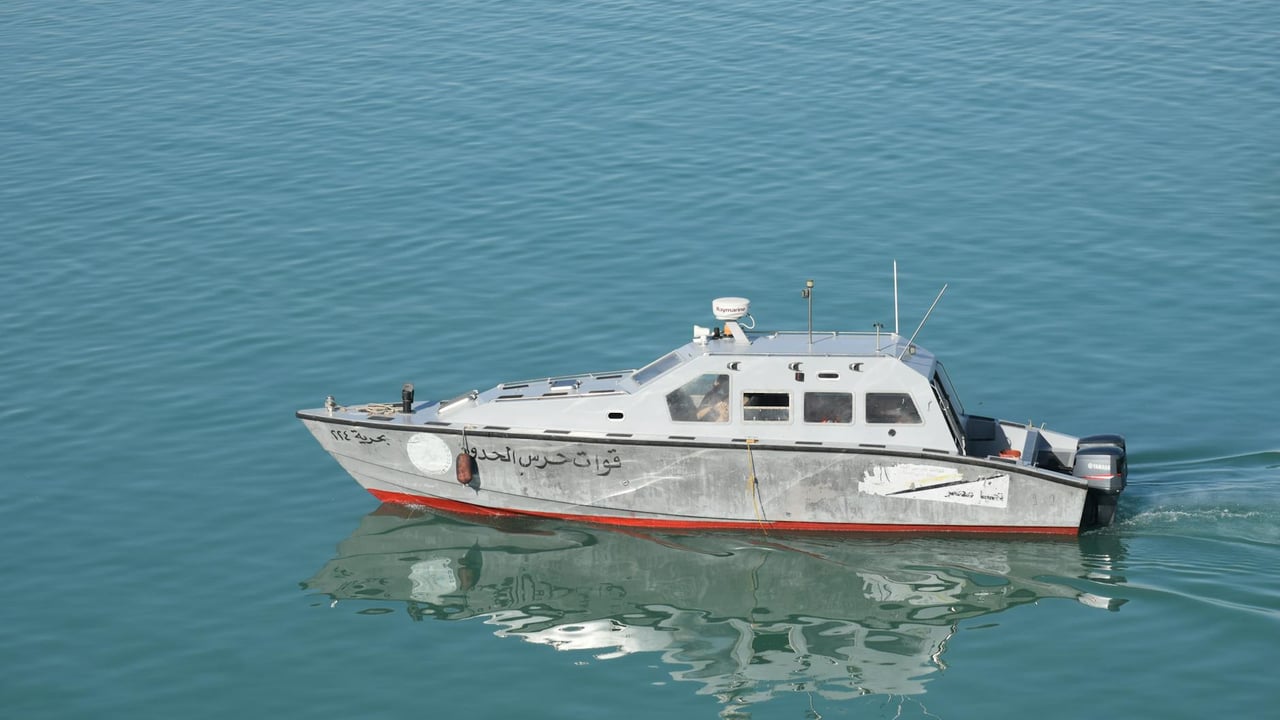

The global energy and trade landscape was thrown into chaos this weekend as the Islamic Revolutionary Guard Corps (IRGC) announced the total closure of the Strait of Hormuz. Citing what they characterized as a direct violation of ceasefire agreements by the United States, Tehran has effectively turned the world’s most critical maritime chokepoint into a militarized no-go zone. The move follows claims from Tehran that Washington has failed to lift its blockade on Iranian ports and vessels, prompting a severe strategic response that threatens to decouple the Persian Gulf from international shipping lanes.
According to the IRGC’s naval division, all vessels currently in the Persian Gulf and the Gulf of Oman have been ordered to remain at their moorings. The Iranian military warned that any attempt to approach the Strait would be interpreted as an act of cooperation with the enemy, rendering those vessels legitimate military targets. Reports from maritime security agencies have already confirmed that the IRGC has begun enforcing this 'strict management,' with at least three commercial vessels—including a tanker and a container ship—reportedly coming under fire or being struck by projectiles in the region.
Washington has responded with characteristic defiance, as U.S. Central Command (CENTCOM) confirmed that the USS Pinckney and other naval assets are maintaining a counter-blockade. U.S. officials claim their operations have 'completely cut off' Iran’s maritime economic trade, a move they argue is necessary to contain Tehran’s regional influence. The rhetorical war has also intensified, with Iranian officials dismissing recent statements from U.S. President Donald Trump as having 'zero credibility,' signaling a deep-seated diplomatic impasse that shows no signs of thawing.
The immediate fallout has rippled through financial markets, with cryptocurrency serving as the 'canary in the coal mine' for geopolitical risk. Over 180,000 investors were liquidated in a brutal 24-hour window as Bitcoin and other digital assets plummeted in response to the heightening threat of kinetic conflict. As oil markets prepare for a volatile week, the closure of a channel that handles roughly one-fifth of the world’s daily petroleum consumption has raised the specter of a global stagflationary shock.
Despite the escalation, a thin thread of diplomacy remains. Iranian officials have hinted at a 'new code of conduct' for the Strait that could potentially keep the passage open for civilian traffic under strict Iranian oversight. Tehran is also reportedly weighing a new set of proposals delivered via Pakistani intermediaries, though the Revolutionary Guard's stance remains firm: the Strait will remain closed until the naval blockade against Iran is entirely dismantled. For now, the world’s most vital artery for energy remains severed, leaving global markets and military strategists in a state of high alert.