Sprint of the Machines: China’s Humanoid Robots Outpace Human Records in Milestone Marathon

The 2026 Beijing Yizhuang Humanoid Robot Half Marathon saw Honor's 'Lightning' robot set a new benchmark by finishing the race in 50 minutes and 26 seconds, faster than any human in history. The event showcased a dramatic leap in robotic speed and autonomy, with over 300 teams from major tech firms like Honor, Unitree, and Alibaba participating. This marks a transition from experimental robotics to a competitive industry where consumer electronics giants are now lead players in embodied AI.

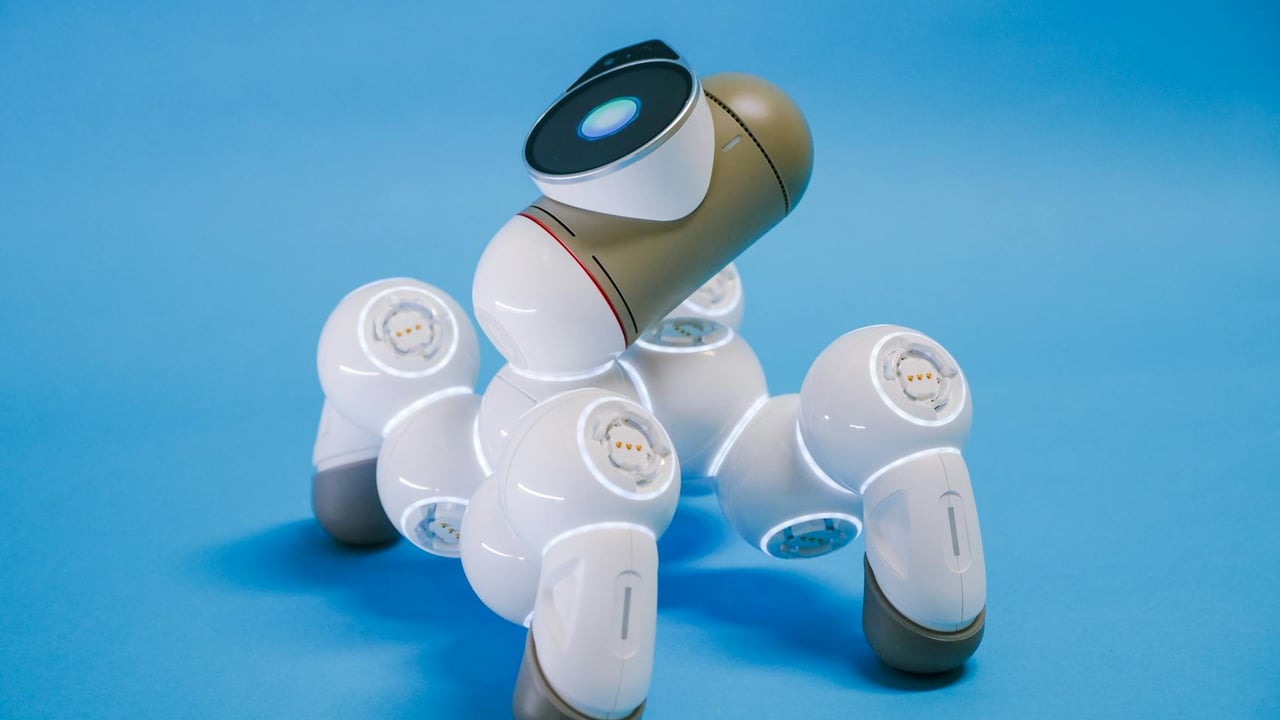
Close-up of an advanced robotic dog showcasing futuristic technology.

Key Takeaways

  • 1Honor's 'Lightning' robot finished the half marathon in 50:26, comfortably eclipsing the human world record of 57:20.
  • 2The event saw a five-fold increase in scale from the previous year, with over 300 teams representing the core of China's robotics industry.
  • 3Technological sophistication is rising, with 40% of participants opting for fully autonomous navigation over remote-controlled operation.
  • 4Unitree H1 demonstrated peak speeds of 10m/s, proving that humanoid hardware is nearing the physical limits of elite human sprinters.
  • 5The participation of consumer tech giants like Honor and Alibaba signals that robotics has moved from specialized research to a primary front for big tech competition.

Editor's
Desk

Strategic Analysis

The 2026 robot marathon is a potent symbol of China's 'New Productive Forces' strategy in action. By gamifying industrial milestones, Beijing is successfully accelerating the commercialization and physical testing of embodied AI. The rapid leap from 'toddling' to 'record-breaking' in a single year reflects an aggressive convergence of domestic hardware supply chains and sophisticated AI training. For global competitors, the takeaway is significant: the hardware bottleneck for humanoid robotics is dissolving. The strategic focus has shifted from basic mobility to specialized performance, signaling that humanoid robots are nearing the threshold of practical, high-speed deployment in various sectors.

China Daily Brief Editorial
Strategic Insight
China Daily Brief

The scene in Beijing’s Yizhuang district on April 19, 2026, looked less like a traditional sporting event and more like a vision of a high-tech future. While marathons are typically tests of human physiological endurance, this half marathon served as a high-stakes showcase for silicon, steel, and sophisticated algorithms. Honor’s "Lightning" robot did not just win the event; it shattered the existing human world record for the half marathon, finishing in a staggering 50 minutes and 26 seconds.

The progress in the sector is nothing short of exponential. Just one year ago, the winner of the inaugural race crossed the finish line in over two and a half hours. This year, the top contenders were not merely walking; they were sprinting at speeds that rival Olympic athletes. Unitree’s H1 robot, which dominated the qualifying rounds, recorded a peak velocity of 10 meters per second, placing it within striking distance of the 10.44 m/s limit set by legendary sprinter Usain Bolt.

This event also signaled a significant shift in the corporate landscape of Chinese robotics. Honor, a firm traditionally associated with smartphones and consumer electronics, has aggressively pivoted into the robotics space, becoming the first consumer tech giant to field a competitive humanoid team. Their victory over pure-play robotics firms like Unitree suggests that the race for "Embodied AI" is drawing in the massive R&D budgets of China’s most successful technology conglomerates.

Technological maturity was evident in the shift toward autonomy. Roughly 40% of the 300 participating teams utilized fully autonomous navigation rather than remote controls. While some units still faced hardware failures—one leading robot stumbled and had to be manually reset 200 meters before the finish—the collective data gathered from the event suggests that the gap between digital simulation and real-world physical performance is closing at an unprecedented rate. China is no longer just building machines that can walk; it is engineering a generation of robots designed to outperform human limits.

Share Article

Related Articles

📰
No related articles found