
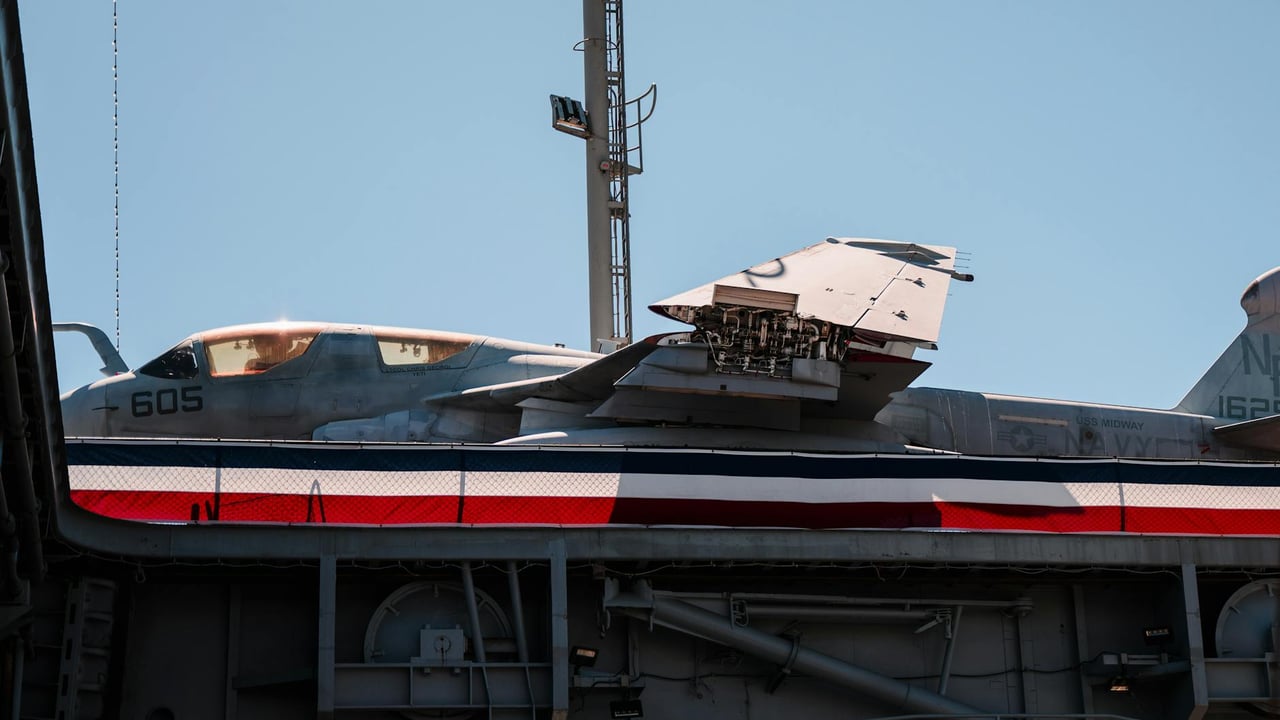

The waters of the Middle East are once again witnessing a massive concentration of American maritime power, as the Pentagon orchestrates a significant regrouping of its Carrier Strike Groups. This strategic movement, occurring in the spring of 2026, signals a pivot away from the recent focus on lighter footprints and a return to the 'gunboat diplomacy' that has historically defined US-Iran relations. The regrouping serves as a visceral reminder of Washington's ability to project force despite its broader focus on the Indo-Pacific theater.
While the official military stance describes these maneuvers as routine presence operations, the timing suggests a more urgent geopolitical calculus. Military analysts point to heightened tensions regarding regional proxy activities and the shifting status of nuclear transparency as the primary catalysts for this surge. By massing carrier-based aviation and missile defense platforms, the US is attempting to draw a firm line against further escalation by Iranian forces or their affiliates in the region.
For Tehran, this buildup represents a direct challenge to its influence and its recent attempts to assert control over vital maritime chokepoints like the Strait of Hormuz. The Iranian military has responded with its own drills and rhetoric, raising concerns among international observers about the possibility of a miscalculation. The presence of multiple strike groups creates a 'force-multiplier' effect, intended to discourage asymmetric attacks on commercial shipping that have plagued the region's energy exports.
This deployment also carries significant weight for global energy markets, which remain sensitive to any potential disruption in the Persian Gulf. Financial analysts are closely monitoring the naval movements, as any kinetic exchange could lead to an immediate spike in crude oil prices and global supply chain instability. The strategic intent is clear: maintain the status quo through overwhelming presence, even as the risk of accidental collision or conflict reaches its highest point in years.