The Night-Time Economy of Peace: How China’s Public Safety Became a Viral Soft Power Asset

Viral social media trends highlighting China's high levels of public safety are becoming a potent soft power tool. These 'midnight stroll' videos by foreigners contrast China's urban security with rising crime concerns in Western cities.

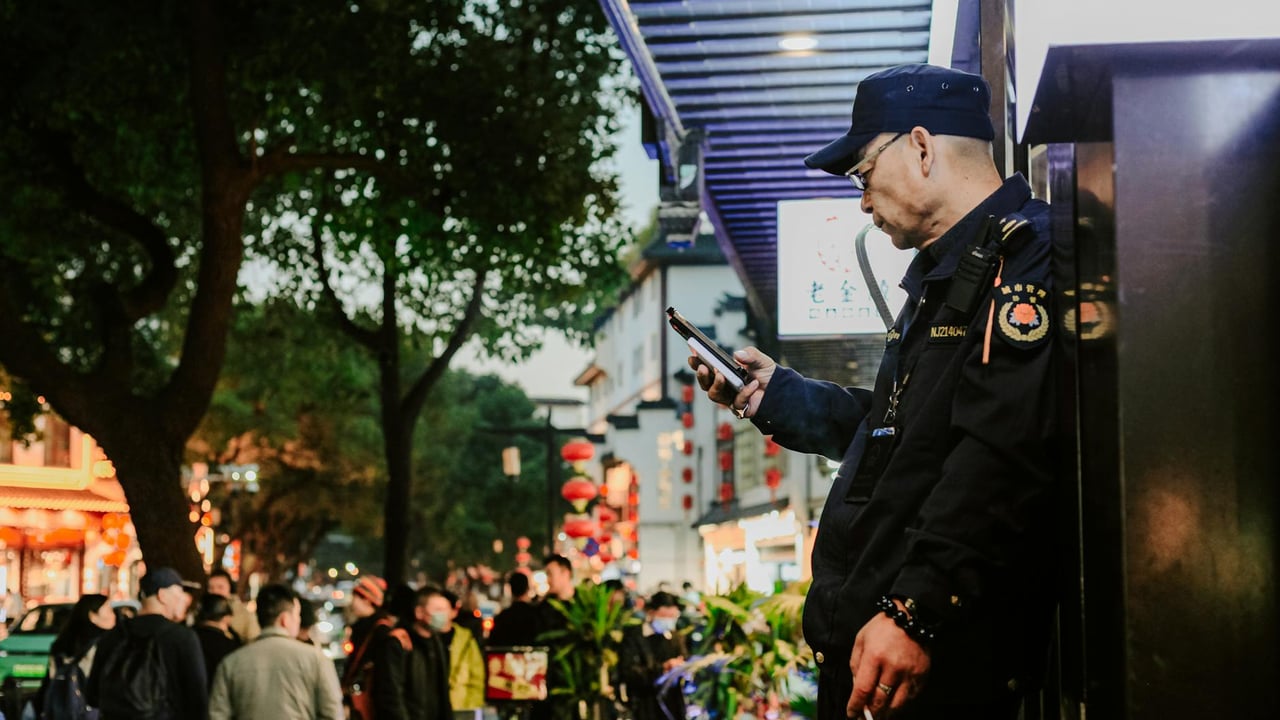
A street guard stands focused on his phone amid the bustling night streets of Nanjing, China.

Key Takeaways

  • 1Expatriate and tourist vlogs showcasing nighttime safety in China are trending globally.
  • 2China's low violent crime rates are attributed to strict law enforcement and a massive surveillance infrastructure.
  • 3Public safety is being leveraged as a core component of China's international branding and soft power.
  • 4The perceived safety of urban environments has directly contributed to a thriving late-night consumer economy.

Editor's
Desk

Strategic Analysis

The strategic promotion of safety as a 'healing' cultural export represents a shift in Chinese external communications. By focusing on the lived experience of security rather than abstract political theory, Beijing is leveraging the visceral appeal of order to validate its governance model to a global audience. While critics emphasize the trade-offs regarding privacy and pervasive surveillance, the viral success of this content suggests that for many, the pragmatic benefits of a safe urban environment outweigh the philosophical concerns of the 'panopticon.' This narrative effectively counter-programs Western media reports on China's restrictive policies by emphasizing the tangible freedom of movement that safety provides.

China Daily Brief Editorial
Strategic Insight
China Daily Brief

In recent months, a specific genre of digital content has permeated global social media platforms from TikTok to YouTube: the 'midnight stroll' in a Chinese Tier-1 city. These videos, often filmed by Western expatriates or tourists, depict a level of urban tranquility that seems increasingly alien to many dwellers of major Western metropolises.

The phenomenon, frequently tagged as 'Chinese-style safety,' highlights a society where walking alone after midnight is not just a daring possibility but a mundane routine. While initially appearing as simple travel vlogs, these clips have evolved into a significant component of China's international image, presenting a stark contrast to reports of rising crime and urban decay in cities like New York, London, or San Francisco.

This pervasive sense of security is underpinned by a massive state investment in both human and technological infrastructure. China’s extensive surveillance systems, combined with a highly visible police presence and strict gun control laws, have effectively minimized violent street crime. For the average citizen and visitor, this manifests as a 'healing' sense of security that fuels a vibrant late-night economy of street food, night markets, and 24-hour convenience.

However, the narrative of 'Chinese-style safety' is more than just a lack of crime; it serves as a calculated pillar of Beijing’s modern soft power strategy. By showcasing domestic stability, China positions itself as a model of governance that prioritizes social order and collective wellbeing. For a global audience weary of polarizing politics and civil unrest, the simplicity of a safe walk home is a compelling argument for the Chinese administrative model.

Share Article

Related Articles

📰
No related articles found