Trump’s Diplomatic Gambit: US Delegation Headed to Islamabad for High-Stakes Talks

A high-level US delegation is set to arrive in Islamabad on April 20 for negotiations announced by Donald Trump. This move signals a strategic attempt to reset US-Pakistan relations and address regional security concerns while competing for influence against China.

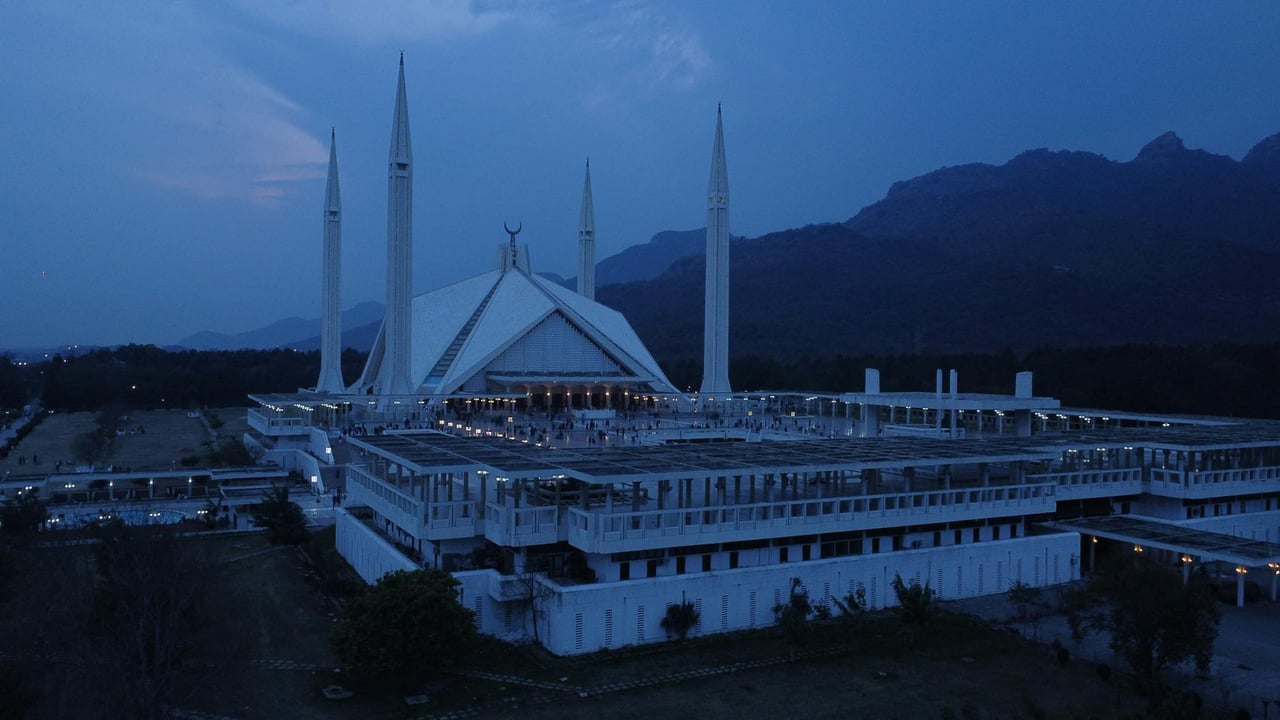
Aerial view of Faisal Mosque in Islamabad during evening twilight, showcasing its iconic minarets.

Key Takeaways

  • 1A senior US delegation is scheduled to begin negotiations in Islamabad on April 20, 2026.
  • 2The mission reflects a strategic pivot by the Trump administration to re-engage with Pakistan directly.
  • 3Talks are expected to focus on regional security, counter-terrorism, and economic cooperation.
  • 4The engagement serves as a counter-move to China's deep-rooted influence in Pakistan via the CPEC project.

Editor's
Desk

Strategic Analysis

The return to the negotiating table in Islamabad represents a pragmatism that prioritizes regional leverage over ideological alignment. For Pakistan, this visit is a delicate balancing act; it must navigate the benefits of renewed American attention without alienating its 'all-weather' ally, China. For the United States, the 'so what' factor lies in the ability to project power in a region that has increasingly tilted toward Beijing. If Washington can successfully offer Pakistan a more balanced security and economic portfolio, it may shift the South Asian power balance back toward a more competitive, bipolar dynamic rather than a Chinese-dominated one.

China Daily Brief Editorial
Strategic Insight
China Daily Brief

In a move signaling a renewed focus on South Asian geopolitics, Donald Trump has announced that a high-level United States delegation will arrive in Islamabad on April 20. The visit marks a significant pivot in Washington’s engagement with Pakistan, a nation that has historically served as a critical, albeit complicated, partner in American regional security interests.

The timing of these negotiations suggests a desire to recalibrate the complex US-Pakistan relationship, which has long fluctuated between strategic partnership and deep-seated suspicion. By choosing Islamabad as the venue, the administration appears to be acknowledging Pakistan’s indispensable role in regional stability, particularly concerning the fragile security landscape of the surrounding region.

This diplomatic push reflects the hallmark transactional style of the Trump administration, prioritizing direct engagement and bilateral deal-making over broader multilateral processes. The upcoming talks are expected to cover a broad spectrum of issues, ranging from counter-terrorism cooperation to potential economic incentives, as Washington seeks to secure its interests with a more focused footprint.

Geopolitical observers note that the move is also a calculated response to China’s growing influence in the region, particularly through the China-Pakistan Economic Corridor (CPEC). By re-engaging with Islamabad at this level, the United States aims to offer a strategic alternative to Beijing’s financial embrace, maintaining a foothold in a territory essential for monitoring Central and South Asian dynamics.

Share Article

Related Articles

📰
No related articles found