
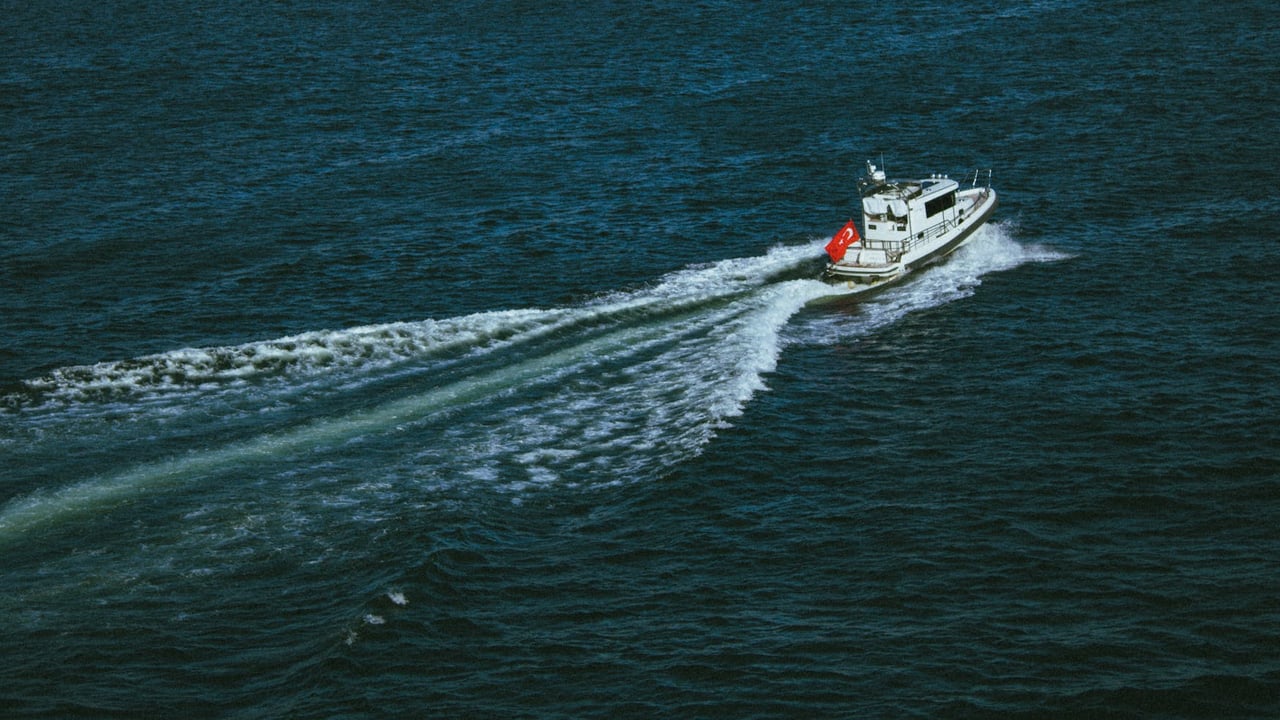

The fragile peace in the Persian Gulf appears to be unraveling as President Donald Trump and Tehran trade accusations of ceasefire violations and economic aggression. Following reports of Iranian fire in the Strait of Hormuz, the White House has escalated its rhetoric, shifting from diplomatic pressure to explicit threats of systematic infrastructure destruction. This marks a sharp departure from the Pakistan-mediated stabilization efforts that had briefly held the region’s volatility in check.
Central to this escalation is a tightening maritime blockade that President Trump claims is costing the Iranian economy approximately $500 million in lost revenue every single day. While Tehran has attempted to project power by announcing its own closure of the Strait of Hormuz, Washington maintains that its naval positioning has already rendered the waterway impassable for Iranian commerce. The White House suggests that the American economy remains insulated from the shock, with energy tankers rerouting to ports in Texas, Louisiana, and Alaska.
The Trump administration’s strategy appears to be a high-stakes gamble designed to force Tehran into a "fair and reasonable" deal on American terms. The President has signaled a total abandonment of strategic restraint, warning that a refusal to negotiate will result in the targeted destruction of Iran’s power grids and bridge networks. This shift toward targeting civilian-adjacent infrastructure signals a new and more kinetic phase of the long-standing confrontation.
Tehran has responded by moving the conflict into the arena of international law and human rights. Foreign Ministry spokesperson Esmaeil Baghaei has characterized the US blockade as an act of "collective punishment" against the Iranian people, which he argues constitutes a war crime and a crime against humanity. By invoking UN General Assembly Resolution 3314, Tehran is framing the US maritime presence not as a security measure, but as an illegal act of aggression under the UN Charter.