

As China observes its 2026 National Space Day, the China National Space Administration (CNSA) has outlined an ambitious agenda that emphasizes technical maturity and industrial scale. The upcoming launch of Shenzhou-23 and critical flight tests for reusable launch vehicles signal a pivotal shift toward cost-efficiency in Beijing’s orbital operations. This follows a record-breaking 2025, where China executed 92 launches—a 35% year-on-year increase—and successfully initiated its first asteroid sampling mission, Tianwen-2.
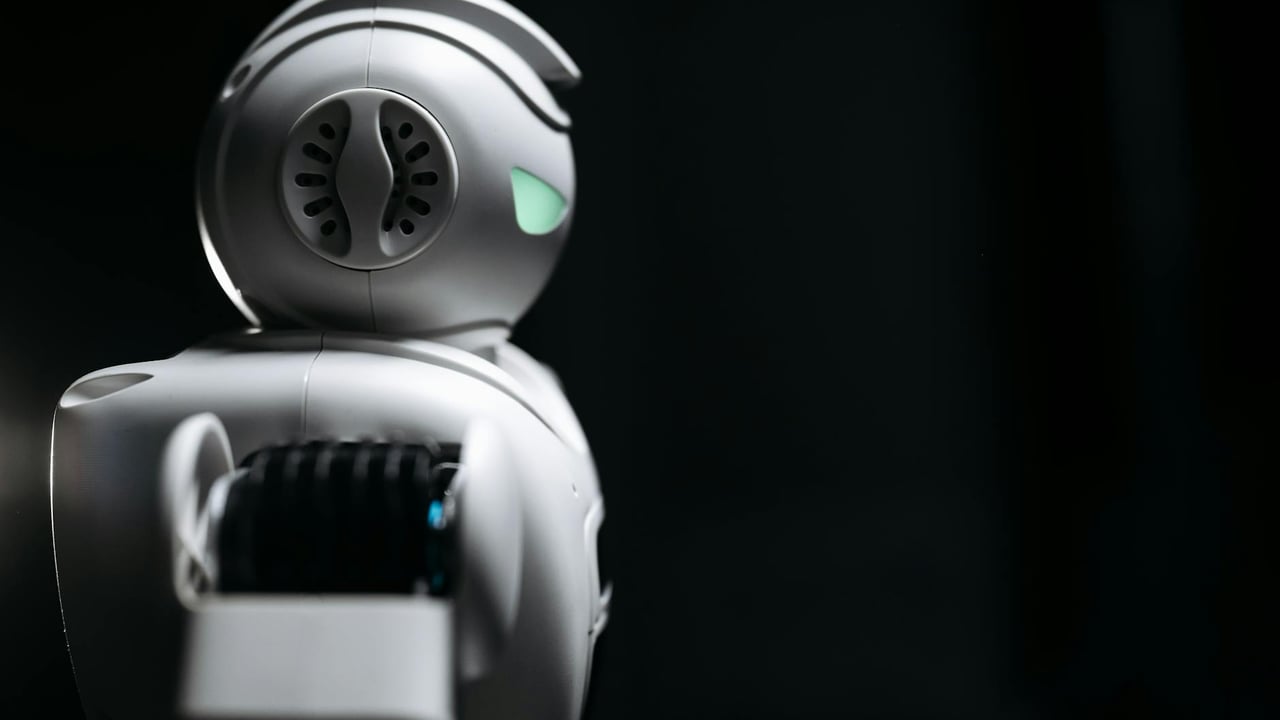
Beyond the stratosphere, China’s industrial policy is manifesting in the physical world through breakthroughs in robotics and human-machine interaction. In Beijing’s Yizhuang district, a humanoid robot named 'Lightning,' developed by the consumer electronics giant Honor, made headlines by winning a half-marathon with a time of 50 minutes and 26 seconds. While the achievement serves as a high-profile marketing event, the underlying technology—specifically the specialized liquid cooling systems provided by domestic firms like Huake Lengxin—highlights the deepening maturity of China’s robotics supply chain.
The domestic push into 'New Productive Forces' is also reaching into the medical and digital infrastructure sectors. Henan Province recently inaugurated China’s first provincial-level Brain-Computer Interface (BCI) innovation center, aiming to bridge the gap between laboratory decoding of neural signals and clinical rehabilitation. Simultaneously, the fiber optics industry is experiencing a massive demand surge, with some specialized product prices reportedly jumping 650% as domestic digital infrastructure and international exports to Southeast Asia and North America reach a fever pitch.
On the energy and consumption front, the central government is leveraging industrial upgrades to meet both environmental and economic goals. In Shandong, the launch of the nation’s first large-scale natural gas hydrogen-blending project aims to reduce carbon emissions by replacing significant volumes of natural gas with hydrogen across 100,000 households. This industrial momentum is mirrored in the consumer market, where the Ministry of Commerce reports a 36% jump in sales for smart devices, buoyed by an expanded national 'trade-in' subsidy program that now includes emerging categories like smart glasses.