

The global electric vehicle (EV) sector is undergoing a simultaneous phase of financial restructuring and aggressive technological expansion. Faraday Future (FF) has announced a fresh capital injection of $45 million from a U.S. institutional investor, marking its most cost-effective financing deal in recent years. While the company has only delivered 34 of its 'AI-powered' vehicles to date, the funding is intended to stabilize operations as it aims for a 1,000-unit target by 2026. This move highlights the persistent struggle for luxury EV startups to bridge the gap between high-concept prototypes and scalable production.
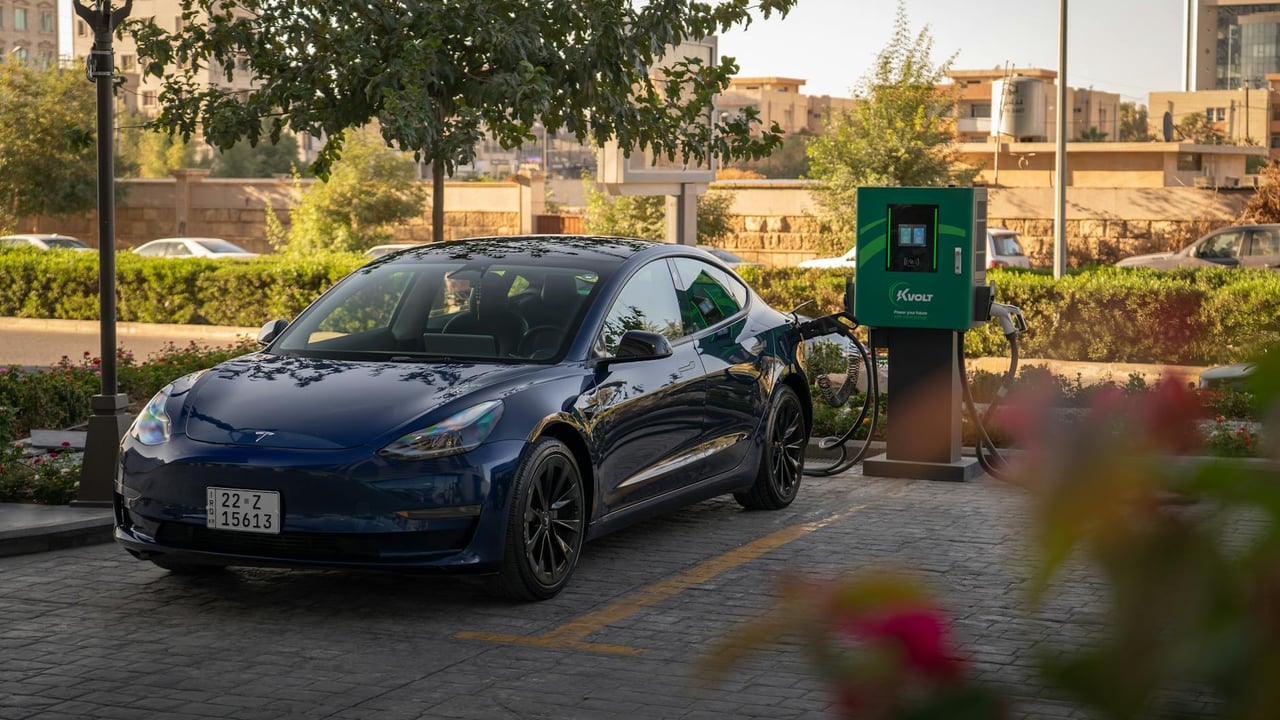
While startups fight for survival, industry leader Tesla is doubling down on its vision of an autonomous future. The company has expanded its Robotaxi service to Dallas and Houston, following its initial deployment in Austin. By the start of 2026, Tesla expects to offer rides without safety drivers across these Texas hubs. This expansion serves as a critical testbed for Tesla’s Full Self-Driving (FSD) technology and its transition from a pure hardware manufacturer to a platform-based mobility service provider, a pivot that remains central to its premium market valuation.
In China, the supply chain is experiencing a tactical rebalancing. Contemporary Amperex Technology Co. Limited (CATL), the world’s largest battery maker, saw its fourth-largest shareholder announce plans to divest a 1.27% stake through a market-based inquiry process. Rather than signaling a loss of confidence, the sale is viewed by analysts as a standard equity optimization that allows for the entry of more long-term institutional capital. As the battery industry matures, these liquidity shifts reflect a market moving from speculative growth toward performance-driven stability.
On the regulatory front, Beijing is tightening the standards for the entire green energy lifecycle. Five Chinese ministries, led by the Ministry of Industry and Information Technology, have released the 2026 Green Design Guidelines. This policy framework targets the automotive and lithium-battery sectors to develop 'economically feasible' green solutions. By prioritizing low-carbon materials and recycling standards, China is positioning its domestic champions to meet increasingly stringent ESG requirements in international markets, effectively turning environmental compliance into a competitive advantage.