Fortress Islamabad: High-Stakes U.S. Arrival Signals New Diplomatic Intensity

Islamabad has entered a significant security lockdown following the arrival of three U.S. aircraft at Nur Khan Airbase. With major hotels cleared and military presence intensified, the city appears to be preparing for a high-level round of sensitive international negotiations.

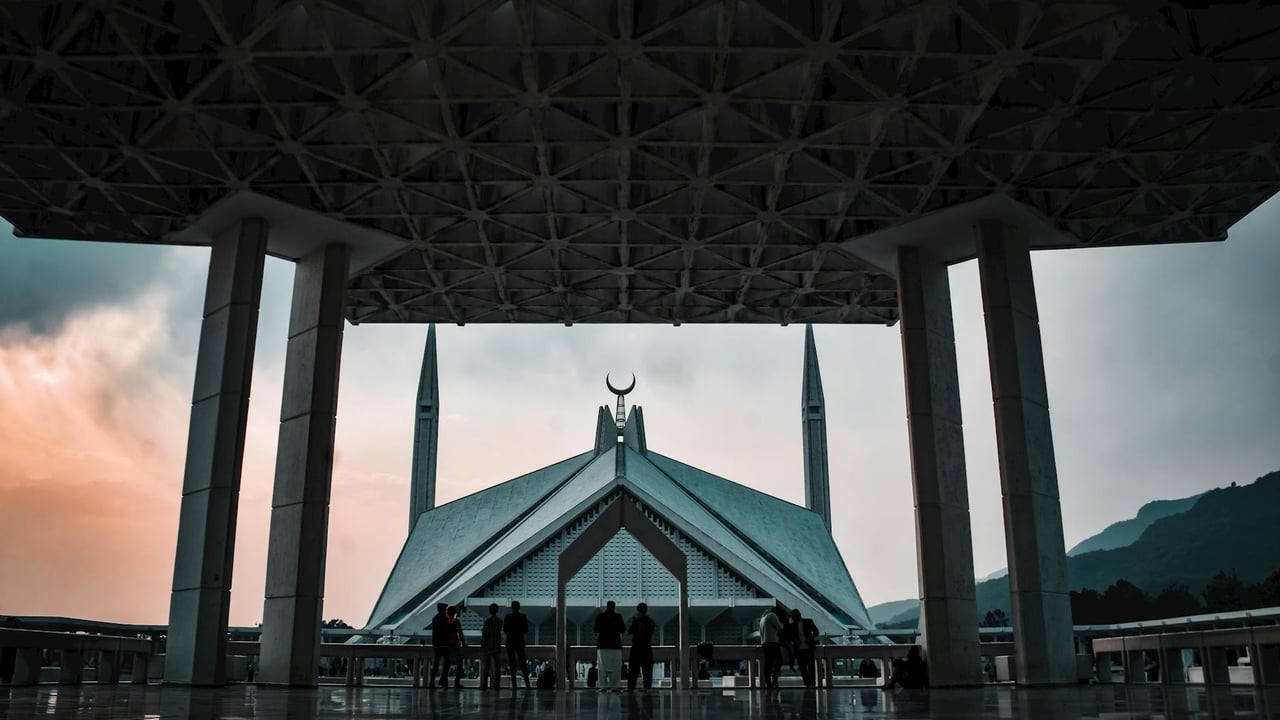
A stunning view of Faisal Mosque during twilight in Islamabad, showcasing Islamic architecture with silhouetted visitors.

Key Takeaways

  • 1Three U.S. aircraft carrying personnel landed at Nur Khan Airbase under heavy guard.
  • 2Islamabad’s security apparatus has been upgraded, including road closures and business shutdowns.
  • 3The Serena and Marriott hotels have been cleared of guests to accommodate the diplomatic mission.
  • 4The surge in activity points toward a continuation of high-level regional negotiations, possibly involving U.S. and regional rivals.
  • 5Pakistan is positioning itself as a critical and secure host for sensitive international diplomacy.

Editor's
Desk

Strategic Analysis

The lockdown in Islamabad is more than a standard security protocol; it is a signal of Pakistan’s enduring role as a 'neutral' facilitator for the world's most difficult diplomatic conversations. By clearing the Serena and Marriott hotels—the same venues that have previously hosted clandestine talks—Pakistan is demonstrating its capacity to provide a secure 'black site' for high-stakes diplomacy. For Washington, utilizing Islamabad provides a necessary buffer for sensitive regional engagement, while for Pakistan, the successful hosting of such a delegation serves to mend its often-turbulent image on the global stage. The 'so what' lies in the scale: three full aircraft suggest a massive technical and diplomatic team, hinting at a transition from preliminary talks to substantial, perhaps even operational, negotiations.

China Daily Brief Editorial
Strategic Insight
China Daily Brief

The Pakistani capital of Islamabad transitioned into a state of high-alert security this week as three aircraft carrying American personnel touched down at the Nur Khan Airbase. The sudden arrival has triggered an immediate lockdown of the city’s primary diplomatic corridors, with military and police units establishing a heavy presence around strategic infrastructure and international transit points.

Local authorities have implemented sweeping measures, including the mandatory closure of commercial businesses along the main thoroughfares connecting the airbase to the city center. This disruption to daily life highlights the gravity of the incoming delegation and the priority placed on their transit safety by the Pakistani state. The level of cordoning observed suggests a delegation of significant rank or a mission of particularly sensitive nature.

Adding to the sense of urgency, the Serena and Marriott hotels—the traditional hubs for high-level international dialogue in Islamabad—notified all current guests to vacate the premises. These venues have historically hosted previous rounds of delicate regional negotiations, including those involving American and Iranian interests. The clearing of these facilities indicates they are being repurposed as secure zones for secretive, high-stakes deliberations.

Pakistan’s role as a geographic and political conduit remains essential for Washington as it navigates complex regional dynamics. By providing a secure, neutral ground for sensitive dialogue, Islamabad reinforces its strategic utility to the international community. However, the visible escalation in security and the displacement of local commerce underscore the high costs and inherent risks associated with Pakistan's position as a regional diplomatic clearinghouse.

Share Article

Related Articles

📰
No related articles found