
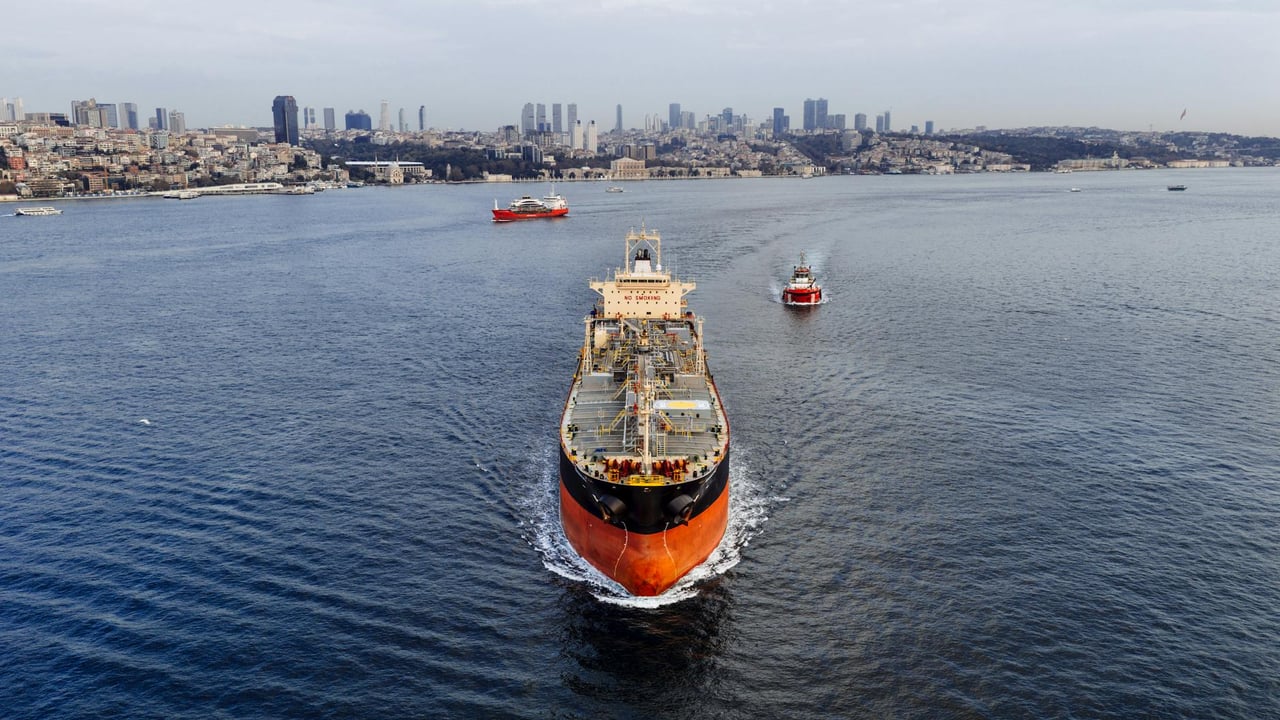

In a bold assertion of shifting geopolitical realities, Ali Akbar Velayati, a senior advisor to Iran’s Supreme Leader, has declared that the security of the world’s most critical maritime arteries is now under the stewardship of Tehran and its 'strategic partners.' Speaking via social media on April 19, Velayati specifically identified the Strait of Hormuz and the Strait of Malacca as regions under this collective oversight, while noting that the Bab el-Mandeb Strait remains under the control of Yemen’s Houthi movement.
This rhetoric marks a significant escalation in Iran's maritime doctrine, extending its perceived sphere of influence far beyond the Persian Gulf. The inclusion of the Strait of Malacca—a vital corridor thousands of miles from Iranian shores that facilitates the majority of China’s energy imports—strongly suggests a deepening security alignment with Beijing and Moscow. By framing these waterways as being 'controlled' by a strategic bloc, Tehran is signaling a coordinated effort to challenge the long-standing maritime hegemony of the United States and its allies.
The timing and scope of these remarks coincide with heightened tensions in the Red Sea, where Houthi forces have repeatedly disrupted commercial shipping. Velayati’s explicit endorsement of Houthi control over the Bab el-Mandeb reinforces the image of a unified 'Axis of Resistance' capable of strangling global trade at multiple nodes. This integrated approach to maritime disruption represents a sophisticated evolution of Iran's asymmetric warfare strategy, moving from regional harassment to global strategic pressure.
Furthermore, Velayati issued a stern warning that any 'provocative actions' by Western powers or their regional partners would trigger a 'chain reaction' across these disparate chokepoints. This threat implies a synchronized response mechanism where a conflict in the Middle East could see immediate retaliatory disruptions in Southeast Asia. For global markets and international shipping, such a development introduces an unprecedented level of systemic risk to the global supply chain.