

In a display of calculated defiance, Iranian Parliament Speaker Mohammad Bagher Ghalibaf has signaled that while the latest round of indirect negotiations with the United States in Islamabad has yielded 'preliminary progress,' a deep chasm of mistrust remains. The veteran politician’s remarks underscore a hardening Iranian stance: Tehran will no longer tolerate unilateral concessions and insists on a policy of strict reciprocity. This 'step-for-step' approach is designed to prevent a scenario where Iran fulfills its diplomatic obligations while Washington remains immobile.
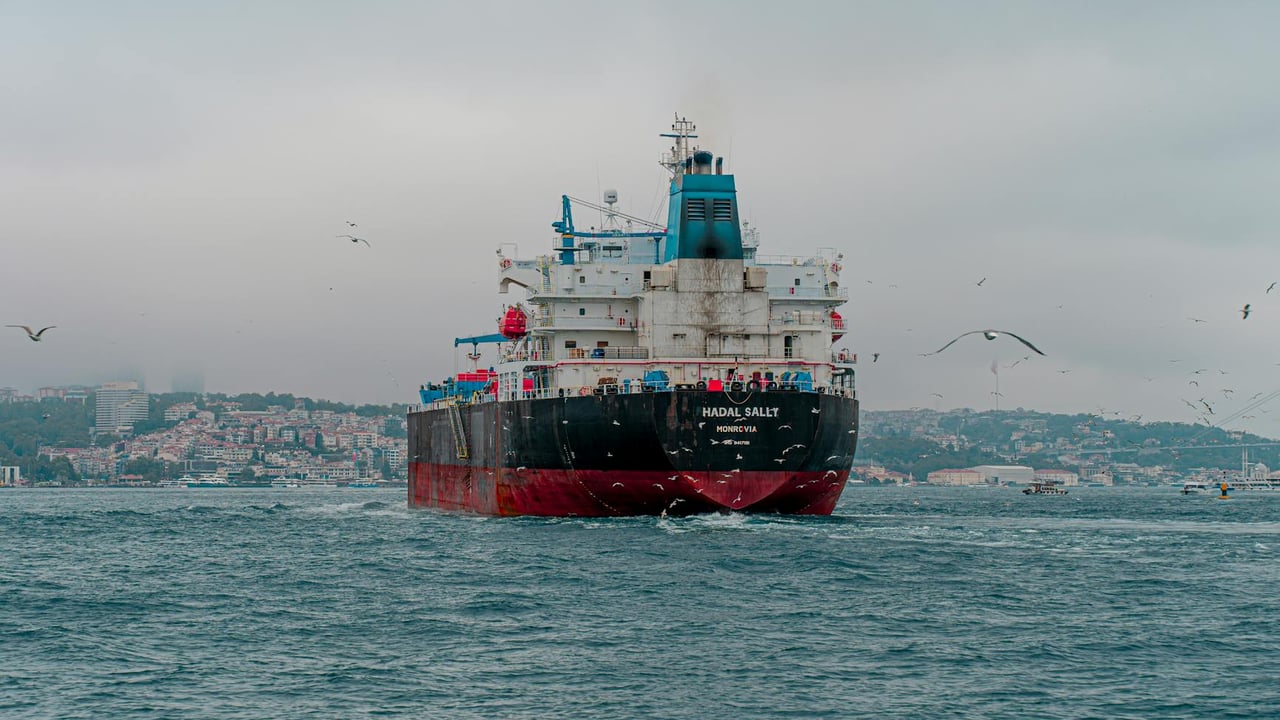
The stakes of these negotiations are not merely diplomatic but increasingly kinetic. Ghalibaf detailed a high-tension encounter in the Strait of Hormuz occurring alongside the talks, claiming he personally issued a 'fire-on-sight' order against U.S. naval assets if they breached Iranian waters. While such rhetoric is common for domestic consumption, the explicit mention of a fifteen-minute window for U.S. retreat suggests a dangerously narrow margin for error in one of the world’s most vital energy corridors.
Critically, Tehran is now explicitly linking maritime security to broader regional conflicts. Ghalibaf revealed that the normalization of traffic through the Strait of Hormuz is contingent upon a 'comprehensive ceasefire' in Lebanon. This strategic linkage effectively holds global shipping hostage to the resolution of the Levant crisis, positioning Iran as the ultimate gatekeeper of the Persian Gulf until its regional security demands are met.
Internal Iranian politics also appear to be coalescing around this uncompromising line. Ghalibaf dismissed suggestions of factionalism within the Iranian delegation, asserting that the current negotiating team represents a broad spectrum of the establishment. By framing the battlefield and the negotiating table as one and the same, Tehran is signaling to the international community that it is prepared for a prolonged standoff if its demands for asset unfreezing and the abandonment of 'unilateralism' are not addressed.