
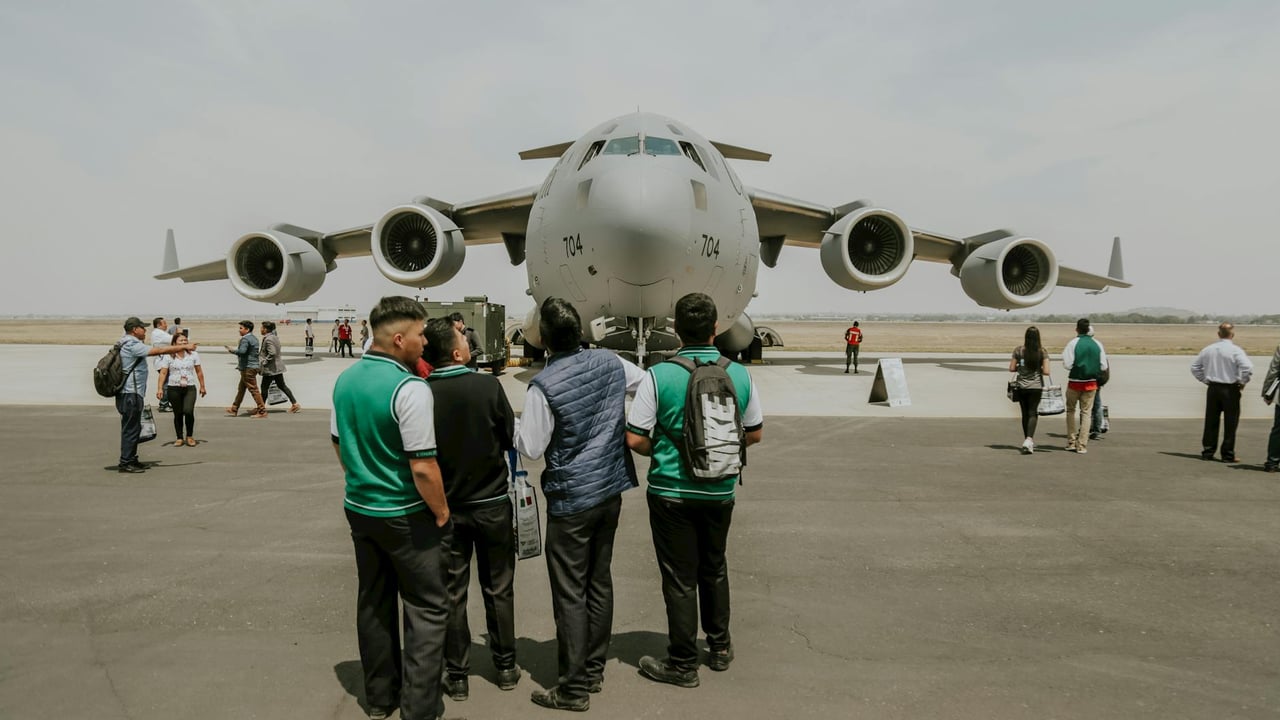

The arrival of a United States Air Force C-17 Globemaster III at Pakistan’s Nur Khan Air Base on April 19 marks a significant, if understated, pulse in regional diplomacy. This flight, tracked by open-source intelligence and confirmed by local observers, follows a nearly identical movement on April 11. Such logistical maneuvers by the U.S. military into Rawalpindi are rarely coincidental, particularly given Pakistan’s historical role as a bridge between Washington and its adversaries.
The timing of these arrivals is inextricable from the clandestine diplomatic theater currently unfolding in Islamabad. The previous landing on April 11 directly preceded a high-stakes negotiation between American and Iranian delegations. This pattern suggests that Pakistan is not merely hosting talks but is providing the critical secure infrastructure required for sensitive, high-level engagement between two nations that lack formal diplomatic ties.
Nur Khan Air Base serves as a high-security gateway, often utilized for state guests and military cooperation, making it an ideal venue for shielded communications. The use of a heavy-lift C-17 transport aircraft implies the movement of more than just personnel; it likely involves secure communications arrays, specialized security details, or the logistical support required to maintain a persistent diplomatic footprint in a neutral third country.
As the geopolitical landscape in the Middle East remains volatile, the reactivation of the 'Pakistan Channel' highlights Islamabad’s enduring strategic utility to the White House. For the Biden administration, leveraging Pakistan’s proximity and influence over Tehran offers a pragmatic alternative to direct confrontation. The frequency of these military flights suggests that the dialogue has moved beyond preliminary introductions into a more substantive, perhaps even operational, phase of negotiation.