
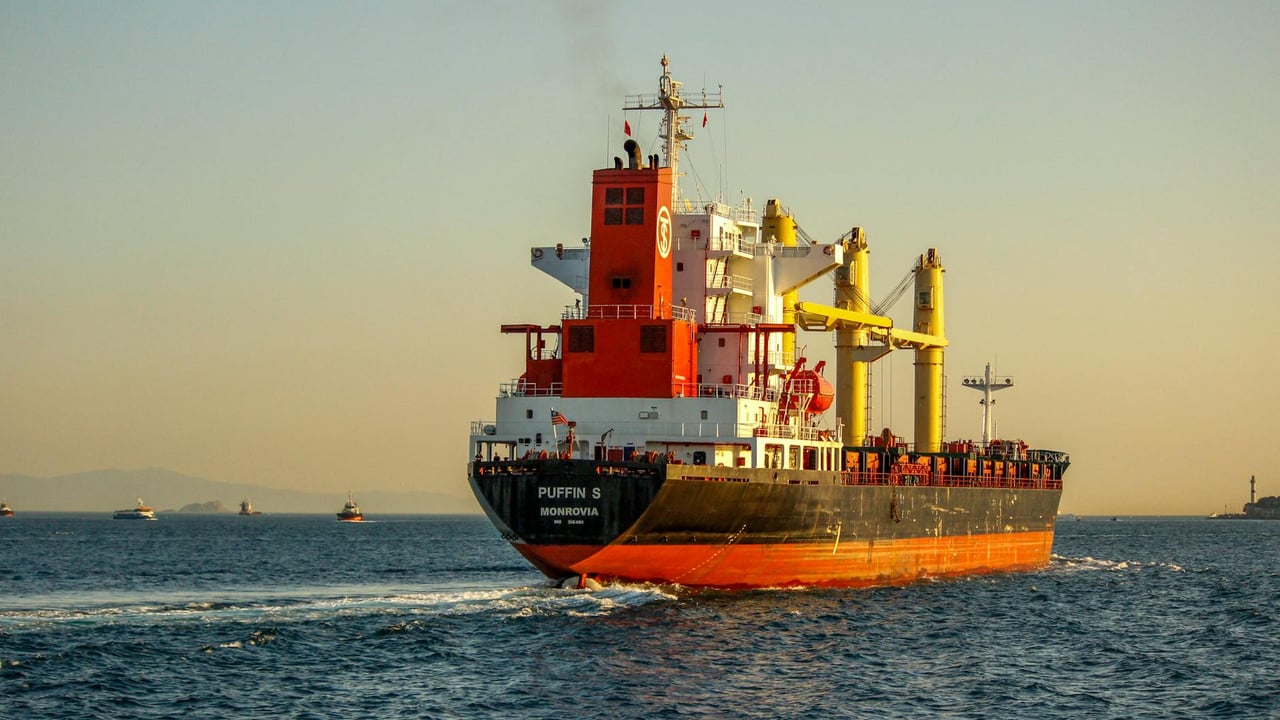

The global energy market endured a weekend of unprecedented volatility as the Strait of Hormuz, the world’s most critical maritime chokepoint, was declared open and then promptly resealed within a forty-eight-hour window. This rapid escalation underscores a breakdown in backchannel diplomacy between the Trump administration and Tehran, as both sides attempt to leverage control over 25% of the world’s seaborne oil trade to gain the upper hand in broader geopolitical negotiations.
The drama began on April 17, when Iranian Foreign Minister Abbas Araghchi announced that the Strait would be fully opened to commercial traffic following a ceasefire between Israel and Lebanon. The news sent shockwaves through the commodities markets, with international crude prices plummeting by more than 10% in a single session. President Trump initially fueled this brief moment of optimism, taking to social media to thank Iran and claiming that the ‘Iranian Strait’ was now fully operational under his watch.
However, the detente proved illusory. Within hours, the narrative diverged sharply as President Trump suggested that Iran had made massive concessions, including the handover of nuclear materials and the removal of sea mines with American assistance. Tehran’s response was swift and vitriolic, with officials dismissing the American claims as ‘lies’ and asserting that the U.S. naval blockade remained a violation of international agreements. The Islamic Revolutionary Guard Corps (IRGC) soon issued new, restrictive mandates requiring all transiting vessels to coordinate directly with their naval command.
By April 18, the situation turned kinetic. Reports emerged of the IRGC firing upon Indian-flagged tankers attempting to traverse the waterway, forcing multiple vessels to turn back toward the Gulf of Oman. Iran’s central military command declared that ‘strict control’ had been restored, citing the continued U.S. maritime blockade as a deal-breaker. In response, the White House signaled a significant expansion of its naval operations, with reports suggesting the U.S. military is prepared to seize Iranian-linked vessels in international waters far beyond the Persian Gulf.
This cycle of opening and closing the Strait appears less like a functional maritime policy and more like a high-stakes bargaining tactic. With billions in frozen assets and the future of Iran’s nuclear program on the line, the Strait of Hormuz has been reduced to a valve that Tehran can tighten or loosen to provoke immediate global economic anxiety. As the rhetoric from Supreme Leader Mojtaba Khamenei grows increasingly defiant, the risk of a miscalculation in these narrow waters has never been higher.