Brinkmanship in Islamabad: Iran Rejects U.S. Overtures Amid Naval Blockade Tensions

Iran has officially denied reports of upcoming diplomatic talks with the United States in Islamabad, citing the ongoing U.S. maritime blockade as an insurmountable obstacle. Tehran characterized the White House's announcement of a high-level delegation led by Vice President JD Vance as a manipulative tactic designed to apply international pressure.

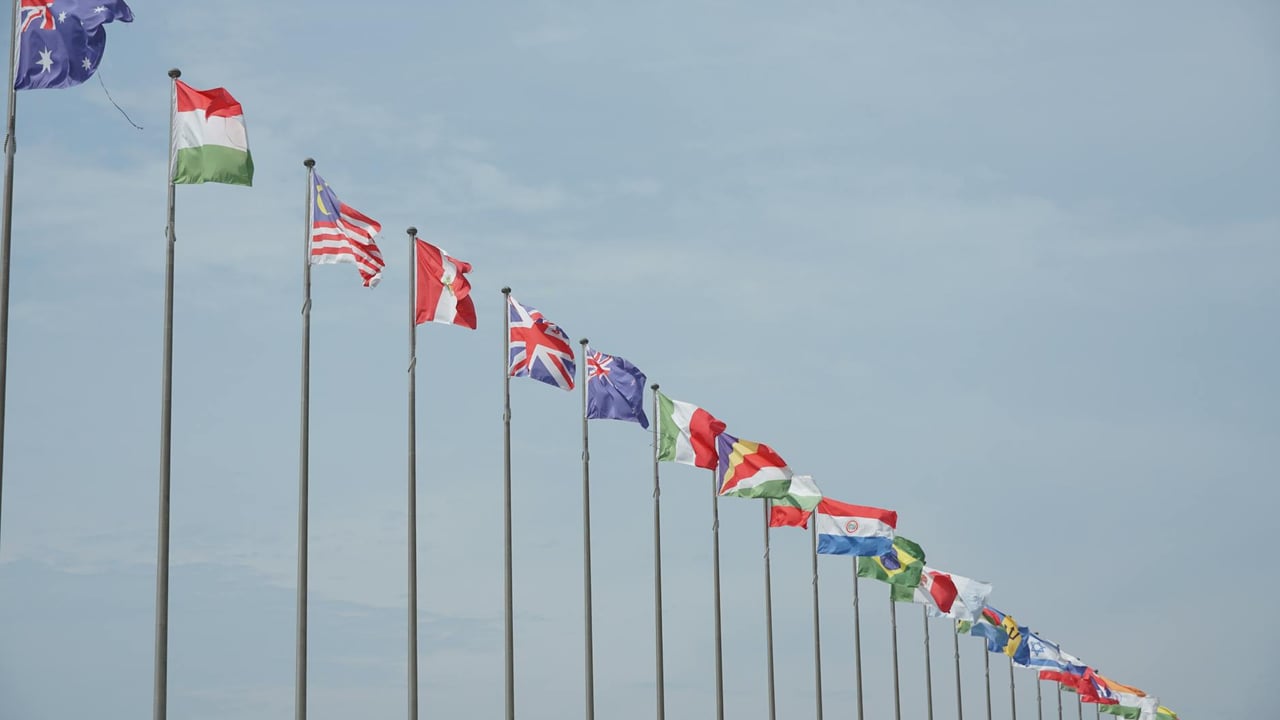
A row of international flags on flagpoles symbolizing global unity and diplomacy.

Key Takeaways

  • 1Iran's state news agency (IRNA) explicitly rejected reports of a second round of negotiations scheduled in Pakistan.
  • 2Tehran maintains that any dialogue is impossible while the United States continues a maritime blockade it considers a violation of ceasefire terms.
  • 3Iranian officials accused the U.S. of 'media manipulation' intended to exert psychological pressure on the Islamic Republic.
  • 4The White House had reportedly planned for Vice President JD Vance to lead the U.S. delegation, signaling a high-priority diplomatic push.
  • 5Iran described U.S. positions as contradictory and unrealistic, leading to a total stall in diplomatic progress.

Editor's
Desk

Strategic Analysis

The public rejection of these talks serves as a stark reminder that in the complex theater of U.S.-Iran relations, the optics of diplomacy are often secondary to the material conditions on the water. By centering the maritime blockade as a non-negotiable red line, Tehran is signaling to both domestic hardliners and the international community that it will not be lured into high-profile summits while its economic lifelines are restricted. This development suggests a significant miscalculation by the U.S. administration if they believed that the prestige of a Vice Presidential visit would be enough to override Tehran's demand for tangible sanctions relief or the cessation of naval hostilities. Moving forward, the focus must shift from the venue of talks to the specific de-escalation of naval assets if a total diplomatic collapse is to be avoided.

China Daily Brief Editorial
Strategic Insight
China Daily Brief

The diplomatic dance between Washington and Tehran has hit a jarring chord as Iran’s state media issued a sharp denial regarding a scheduled second round of high-level talks in Islamabad. Characterizing recent American reports as a form of "media manipulation," Tehran has signaled that it will not be coerced into a dialogue while its strategic and economic interests remain under siege. This public rebuff highlights the deep-seated mistrust that continues to plague the relationship, even as the Biden-Vance administration attempts to find a diplomatic off-ramp for escalating regional friction.

At the core of the current impasse is a contentious maritime blockade, which Tehran views as a direct violation of previous ceasefire understandings and a non-negotiable barrier to further engagement. Iranian officials have hardened their rhetoric, insisting that as long as the United States maintains its naval pressure in the region, there is no viable path forward for productive negotiation. They describe the American diplomatic stance as a collection of "unrealistic expectations" and "contradictory" signals that suggest a lack of genuine commitment to a lasting resolution.

The inclusion of Vice President JD Vance in the reported U.S. delegation underscores the high stakes and the potential for a major diplomatic shift that Washington had hoped to achieve. By preparing to send such a high-ranking official to the Pakistani capital, the White House aimed to signal a serious commitment to regional stabilization. However, Tehran has interpreted this move as a theatrical attempt to force concessions through public diplomacy rather than through substantive, private compromise.

As the situation stands, the prospects for a breakthrough remain dim as both sides retreat into familiar patterns of rhetorical defiance and tactical maneuvering. The rejection of the Islamabad summit suggests that the "maximum pressure" and "maximum resistance" frameworks still define the bilateral dynamic. Without a significant shift in the maritime status quo or a reduction in hostile rhetoric, the diplomatic vacuum in the Middle East is likely to persist, leaving the region on a knife-edge.

Share Article

Related Articles

📰
No related articles found