
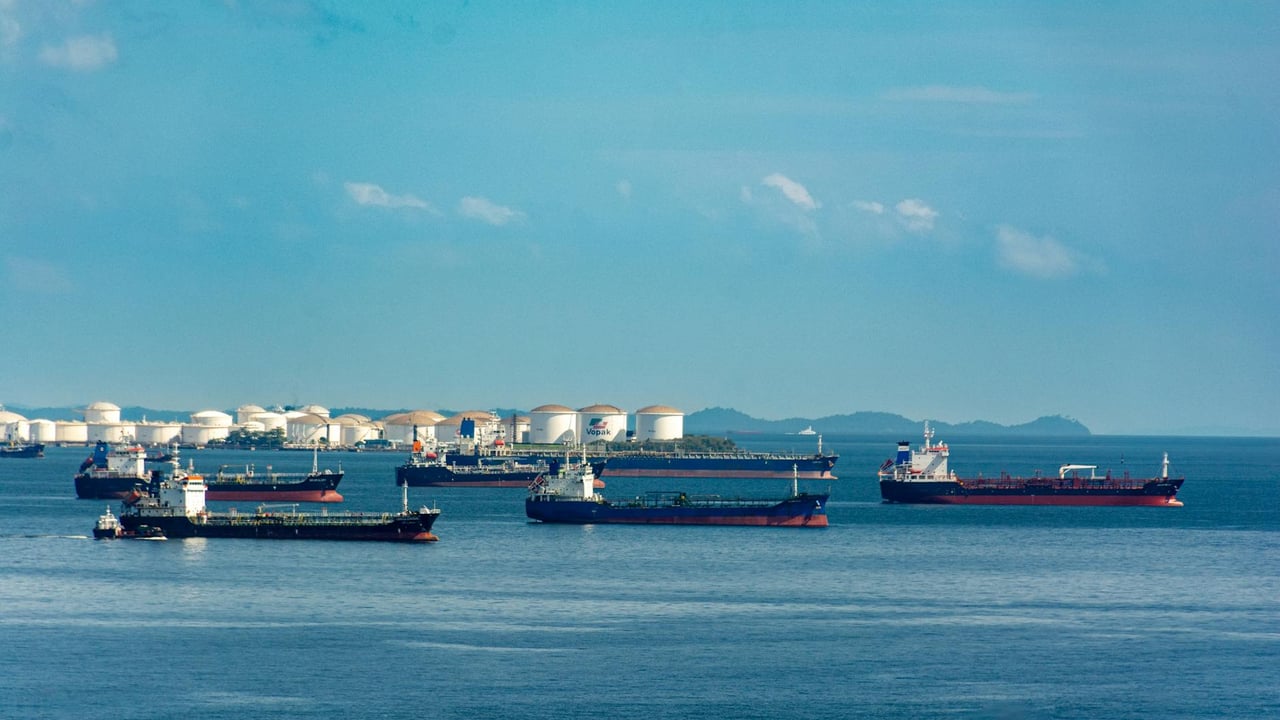

The global oil market is reeling from a series of high-stakes, perfectly timed trades that suggest a serious leak within the highest echelons of international diplomacy. Just twenty minutes before the Iranian Foreign Ministry announced the reopening of the Strait of Hormuz on April 17, an anonymous entity placed a $760 million short bet against crude oil. The resulting 11% plunge in prices allowed the trader to net a massive profit, marking the third such occurrence in as many months.
This pattern of 'precisely timed' maneuvers has caught the attention of the U.S. Commodity Futures Trading Commission (CFTC), which is now investigating whether sensitive policy shifts are being commodified before they reach the public. Previous bets totaling over $1.4 billion were placed just ahead of major announcements by President Trump regarding ceasefire agreements and the postponement of strikes on Iranian energy infrastructure. The frequency of these trades suggests that the volatile derivatives market has become a playground for those with early access to geopolitical breakthroughs.
While the markets react to the shadows, the diplomatic front in Islamabad remains fraught with contradiction and logistical chaos. Despite White House assertions that Vice President J.D. Vance and special envoy Steve Witkoff will lead the delegation, President Trump has publicly vacillated on the team’s composition, citing security concerns. This internal confusion has mirrored the signals coming from Tehran, where state-run media and semi-official agencies like Tasnim continue to debate whether a high-level delegation will even attend the second round of talks.
Iranian hardliners appear to be conditioning their participation on the immediate lifting of the U.S. maritime blockade, a demand that Washington has yet to fully meet. However, pragmatists within the Iranian government suggest that a delegation led by Parliament Speaker Mohammad Baqer Qalibaf and Foreign Minister Abbas Araghchi is already en route. The discrepancy between official denials and the reality of diplomatic movement indicates a deep schism within Tehran’s power structure as they weigh the benefits of a formal ceasefire.
If the Islamabad talks proceed as anticipated, they could culminate in a historic summit between President Trump and Iranian President Masoud Pezeshkian. Proponents of the deal hope to see the signing of the 'Islamabad Declaration,' a document intended to codify a long-term cessation of hostilities. While the prospect of peace provides a glimmer of hope for regional stability, the integrity of the process remains under a cloud of suspicion as long as 'mysterious capital' continues to profit from the secrecy of the negotiating table.