

Global tech giants have poured nearly $700 billion into AI infrastructure—a ten-fold increase from 2020 levels—leaving investors with a looming question: when does the "intelligence" start paying for the electricity? While large language models have dazzled the public with digital creative feats, the revenue from API calls and software subscriptions currently struggles to offset the massive capital expenditure of chips and data centers. Capital markets are now demanding a high-margin, physical application capable of absorbing this massive investment.
Goldman Sachs has identified the most likely exit from this fiscal labyrinth. In a series of updated reports, analyst Mark Delaney argues that autonomous vehicles (AVs) represent the most significant and immediate profit pool for the AI era. The firm has drastically revised its outlook, suggesting that the "silicon driver" is about to become the industry's most valuable asset as the technology moves from experimental labs to commercial scale.
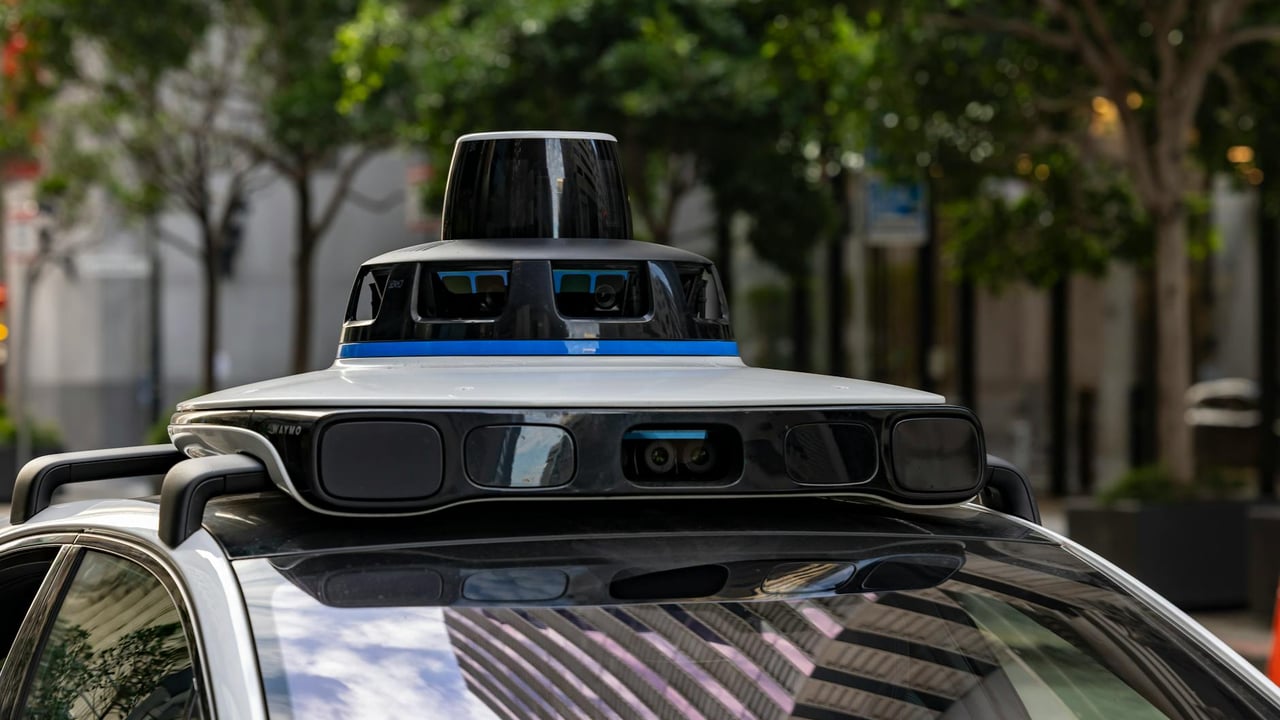
The shift is driven by a fundamental technological transition from manual rule-based coding to end-to-end deep learning. Unlike early self-driving attempts that relied on rigid, human-written logic and hyper-detailed maps, modern systems from Waymo, Tesla, and China's Pony.ai utilize neural networks to navigate the chaotic physical world. This "embodied AI" is proving more capable and, crucially, safer than the human operators it seeks to replace.
In the United States, Waymo has already captured 25% of the ride-sharing market in San Francisco within 20 months of commercial operation. Across the Pacific, China’s Baidu Apollo is operating across 26 cities and has surpassed 20 million total orders, proving that the model is globally scalable. Goldman Sachs now expects the global robotaxi market to reach a staggering $415 billion by 2035, with vertically integrated operators potentially enjoying gross margins as high as 50%.
However, the even larger prize lies in heavy-duty freight. Autonomous trucking simplifies the problem by removing passenger comfort from the equation, focusing purely on logistics efficiency. While human-driven truck costs are rising due to wage inflation, autonomous alternatives are projected to see costs plummet from $6.15 per mile today to under $2.00 by 2030, potentially saving the global logistics industry hundreds of billions in overhead.
This transformation is not without its casualties. Goldman Sachs estimates that roughly $440 billion of current economic activity in the U.S. alone—mostly driver wages and ride-hailing fees—is at risk of displacement. As vehicles evolve from personal consumer goods into specialized hardware for massive computing networks, the traditional automotive manufacturing model may face a terminal decline in favor of fleet-managed ecosystems.