Pony.ai’s Desert Drive: Chinese Autonomous Tech Stakes a Claim in Dubai’s Driverless Future

Chinese autonomous driving leader Pony.ai has launched driverless Robotaxi trials in Dubai, aiming for a commercial rollout of hundreds of vehicles by late 2026. The move underscores the strategic pivot of Chinese tech firms toward the Middle East amidst growing regulatory challenges in Western markets.

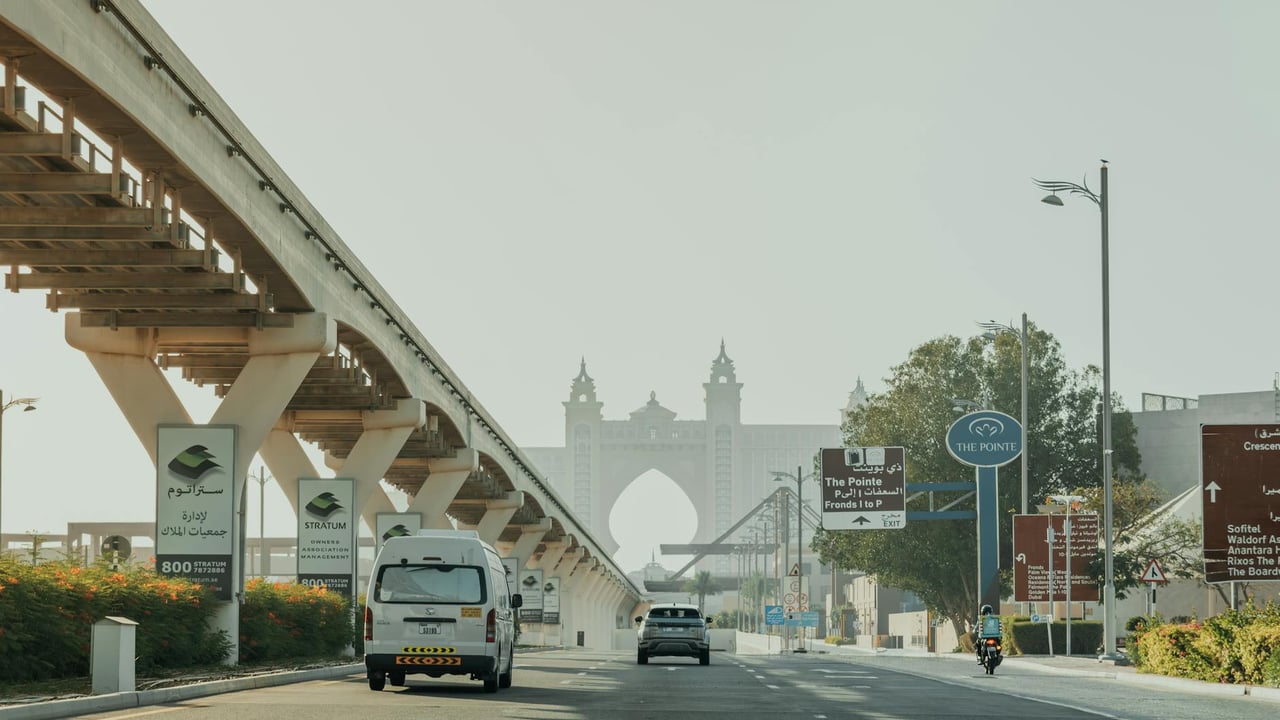
Explore Dubai's modern infrastructure near the iconic Atlantis Hotel and monorail track.

Key Takeaways

  • 1Pony.ai has initiated fully driverless (Level 4) testing on the streets of Dubai.
  • 2A commercial launch for the public is scheduled for the second half of 2026.
  • 3The planned fleet will eventually consist of several hundred autonomous vehicles.
  • 4The expansion aligns with Dubai's 2030 vision for a 25% autonomous transportation share.

Editor's
Desk

Strategic Analysis

Pony.ai’s foray into the UAE represents a masterclass in geopolitical tech maneuvering. As the United States increases scrutiny on Chinese software and data collection in the automotive sector, Middle Eastern states are positioning themselves as neutral, high-tech hubs willing to embrace Chinese innovation. This partnership is symbiotic: Dubai gains the cutting-edge technology required to fulfill its ambitious smart-city mandates, while Pony.ai secures a lucrative, data-rich environment to refine its algorithms outside of China’s borders. If Pony.ai successfully scales in 2026, it could establish a de facto standard for autonomous infrastructure across the region, potentially locking out Western competitors who are currently preoccupied with domestic regulatory hurdles and legal challenges.

China Daily Brief Editorial
Strategic Insight
China Daily Brief

Pony.ai, a frontrunner in the global race for autonomous mobility, has officially commenced fully driverless testing in Dubai. This move signals a significant acceleration of the company's international footprint, transitioning from domestic dominance in China to a pivotal role in the United Arab Emirates’ transportation overhaul. The testing phase serves as a precursor to an ambitious commercial roadmap. By the second half of 2026, Pony.ai intends to deploy a fleet of several hundred Robotaxis for public use across the city.

This scale suggests a level of confidence in both the localized software stack and the regional regulatory appetite for high-level automation. Dubai has emerged as an ideal laboratory for such ventures, driven by its goal to make 25% of all transportation trips autonomous by 2030. For Chinese firms like Pony.ai, the Middle East offers more than just capital; it provides a regulatory "fast track" and a geopolitical environment less fraught than the current landscape in North America or Europe.

As Tesla and Waymo continue to dominate headlines in the West, the expansion of Chinese players into the MENA region creates a new competitive frontier. The successful integration of Pony.ai's Level 4 systems in a complex urban environment like Dubai will be a critical proof-of-concept for its global scalability. By bypassing the restrictive trade barriers of the West, Pony.ai is positioning itself to become the backbone of smart city mobility in one of the world's most affluent markets.

Share Article

Related Articles

📰
No related articles found