
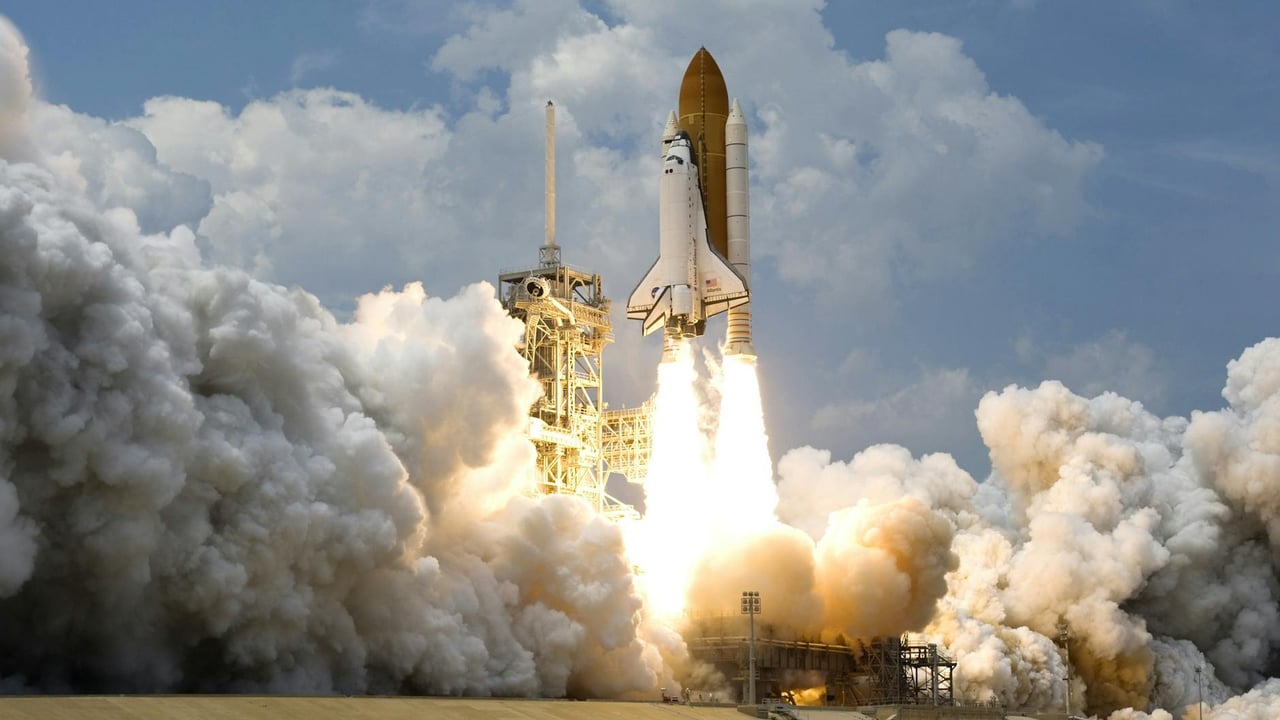

China’s aerospace sector is entering a pivotal phase as the national space agency signals a massive acceleration in commercial launch capabilities and deep-space exploration. Market indices reacted sharply to the news, with domestic aerospace ETFs and major stocks like China Satellite hitting price ceilings. This surge is fueled by a strategic roadmap released for 2026, which prioritizes the high-frequency deployment of low-earth orbit constellations and the validation of reusable rocket technology.
The year 2026 is set to be a watershed moment for China’s space ambitions, featuring the high-stakes Tianwen-2 mission to probe and land on a near-Earth asteroid. Simultaneously, the China National Space Administration has confirmed that multiple models of domestically developed reusable rockets will undergo critical flight tests. Achieving reusability is the missing piece in Beijing's strategy to drastically lower launch costs and close the gap with private American competitors like SpaceX.
Beyond hardware, the integration of 'space computing' is emerging as the industry's next frontier. Recent developments show a shift toward establishing AI-driven infrastructure in orbit, utilizing specialized chips designed for vacuum environments to process data before it ever reaches the ground. This synergy between telecommunications, artificial intelligence, and aerospace is expected to catalyze a new wave of industrial growth, transforming satellites from simple relays into sophisticated orbital data centers.
To support this high-cadence launch schedule, China has significantly optimized its ground infrastructure and shortened the testing cycles for its latest generation of launch vehicles. Market analysts suggest that the focus is shifting from state-led scientific missions toward a robust, commercialized ecosystem capable of sustained, high-volume operations. For global observers, this represents a decisive move to secure a dominant position in the burgeoning cislunar economy and the global satellite internet market.