
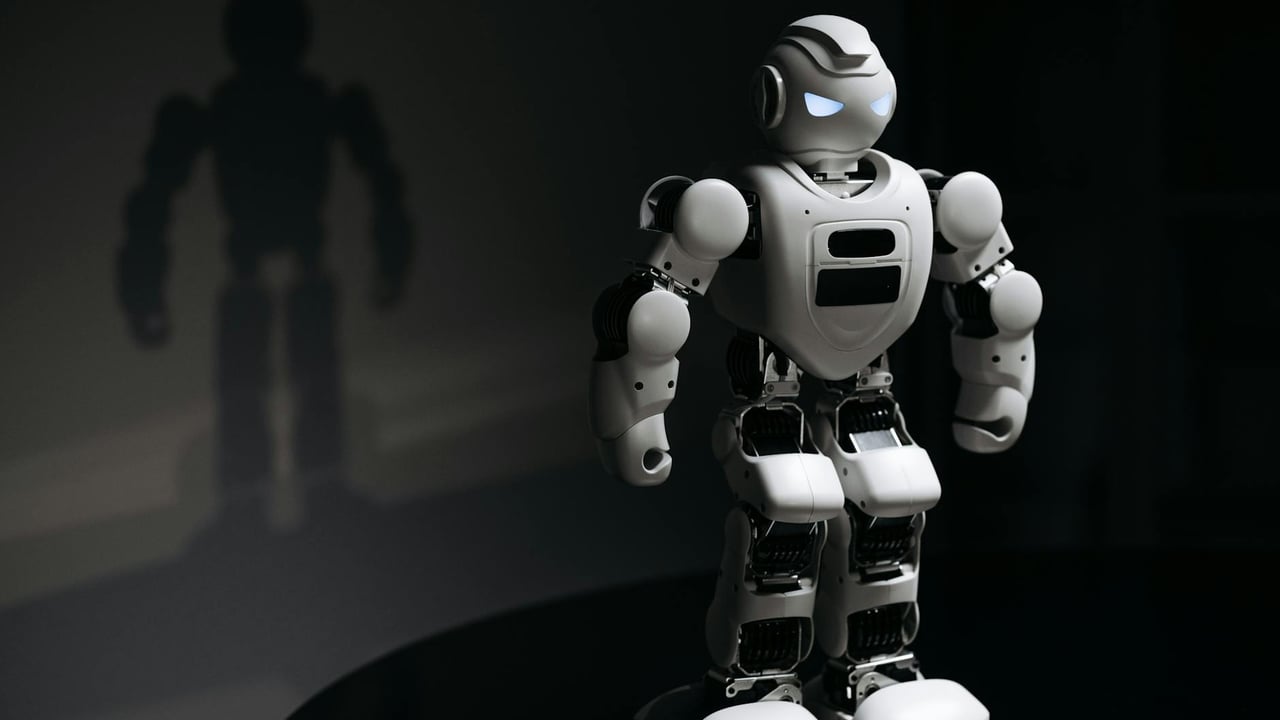

The 2026 Beijing Yizhuang Humanoid Robot Half-Marathon concluded this week, marking a significant milestone in the maturation of bipedal technology. Far from a mere publicity stunt, the event showcased a dramatic leap in technical complexity and industrial participation compared to previous years. The performance of the participants, including the champion robot 'Lightning' which completed the course in under 50 minutes, signals that humanoid machines are rapidly transitioning from experimental lab prototypes to reliable mechanical athletes.
Industry analysts are taking note of this physical progress as a precursor to a massive commercial explosion. International Data Corporation (IDC) recently released a forecast predicting that global humanoid robot shipments will exceed 510,000 units by 2030. This projection implies a staggering compound annual growth rate (CAGR) of nearly 95%, reflecting an industry on the precipice of a total paradigm shift in labor and automation.
The competition in the sector is visibly shifting from basic mobility to what experts call 'commercial value delivery.' While early milestones were defined by a robot's ability to remain upright, the next decade of competition will be won by those who can integrate advanced 'brains' with functional 'bodies.' This convergence of Embodied AI and high-performance hardware is expected to drive adoption across logistics, manufacturing, and even domestic service sectors.
Chinese tech giants and startups alike are aggressively building the necessary ecosystem to support this growth. Companies like Honor and Unitree, alongside academic powerhouses like Tsinghua University, are focusing on the refinement of Vision-Language-Action (VLA) models. These models allow robots to process environmental data and execute complex tasks with minimal latency, effectively bridging the gap between digital intelligence and physical labor.