A Nation Set Adrift: Geopolitical Shocks Push Japan’s Fishing Industry to the Brink

Escalating tensions in the Middle East have triggered a severe fuel and material shortage for Japan’s fishing industry, forcing many fleets to drastically reduce their days at sea. With fuel costs up 30% and essential supplies like packaging and paint disappearing, industry leaders are calling for urgent government intervention to prevent a total collapse of the domestic seafood supply chain.

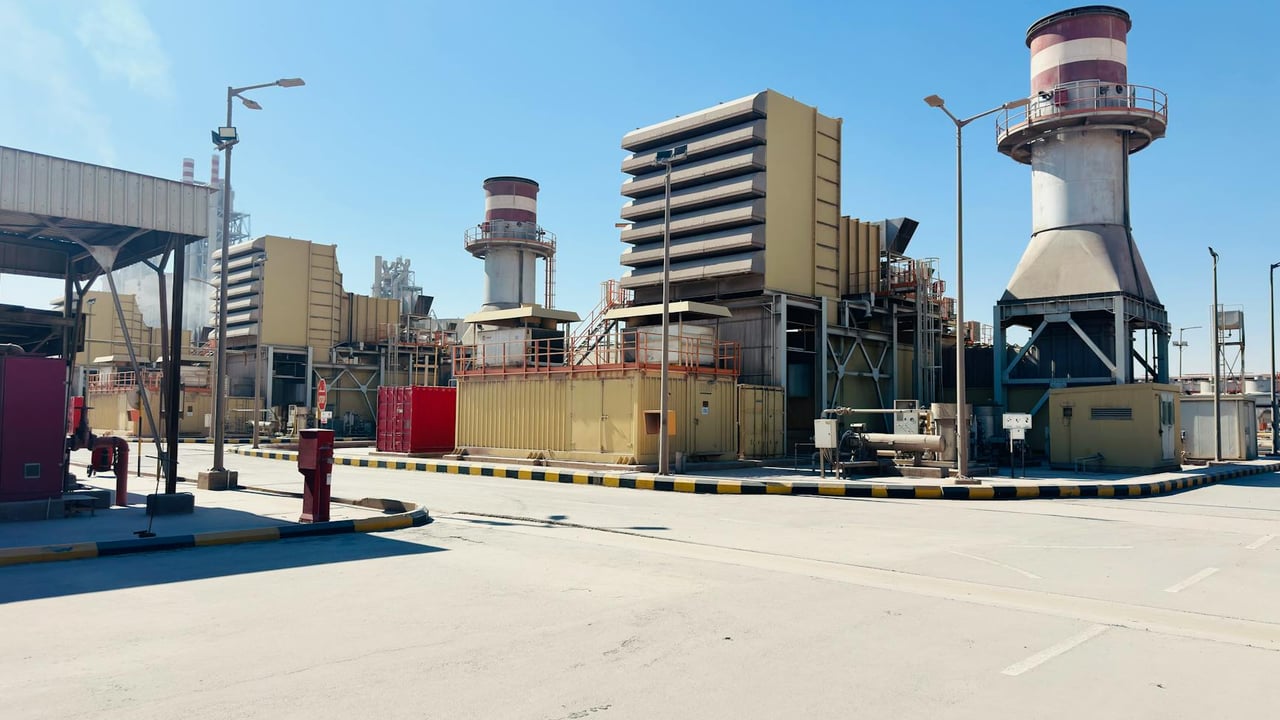
A modern power plant with turbines and chimneys under a clear blue sky in Saudi Arabia.

Key Takeaways

  • 1Fuel prices for Japanese fishing vessels have surged by 30% since January 2026 due to Middle East instability.
  • 2Major fishing regions including Wakayama and Yamaguchi have reduced weekly operations from five days to two to conserve fuel.
  • 3A shortage of naphtha is driving up costs for essential materials like marine paint, ropes, and Styrofoam packaging.
  • 4The National Federation of Fisheries Cooperative Associations has formally petitioned the LDP for emergency subsidies and supply guarantees.
  • 5Industry leaders warn that without immediate intervention, domestic fishing operations could face a total shutdown by May 2026.

Editor's
Desk

Strategic Analysis

Japan’s current fisheries crisis serves as a stark reminder of the nation’s profound vulnerability to energy price volatility. While Tokyo has spent decades attempting to diversify its energy mix, the primary industry remains tethered to global oil markets that are increasingly sensitive to Middle Eastern instability. The 'life or death' rhetoric used by fishing cooperatives highlights a deeper strategic concern: the erosion of food security. If the government cannot insulate its primary producers from these external shocks, it risks a permanent loss of maritime expertise and a greater reliance on imported proteins, which carries its own set of geopolitical risks in an increasingly fragmented global economy.

China Daily Brief Editorial
Strategic Insight
China Daily Brief

The volatile landscape of the Middle East has sent ripples far beyond its borders, landing a heavy blow on Japan’s traditional maritime heartlands. For the fishermen of Wakayama, Yamaguchi, and Chiba prefectures, the current disruption in crude oil imports is no longer a matter of abstract geopolitics but an existential threat to their livelihoods. What was once a robust sector is now facing what local leaders describe as a 'life or death' crisis as fuel supplies dry up and operational costs soar.

Recent data from regional fishing associations indicates that the prices of heavy oil and light oil, the lifeblood of the fishing fleet, have surged by approximately 30% since the beginning of 2026. The impact is visible at the docks; in Wakayama, vessels that typically spent five days a week at sea are now restricted to just two. Industry representatives warn that if the supply chain remains fractured, operations could cease entirely by May, marking a historic standstill for the nation's domestic catch.

The crisis extends beyond the fuel tanks. A critical shortage of naphtha—a key petroleum derivative—has paralyzed the supply of essential secondary materials. From specialized marine paints and thinners used to maintain hulls to the Styrofoam crates, ropes, and packaging required for transport, every link in the logistics chain is seeing dramatic price hikes. For many smaller operators, the rising overhead has reached a point where the cost of a voyage far outweighs the market value of the harvest, leading many to keep their boats moored.

In response to the mounting pressure, the National Federation of Fisheries Cooperative Associations has taken the rare step of petitioning the ruling Liberal Democratic Party (LDP). The federation is demanding urgent government intervention to stabilize energy prices and guarantee fuel allotments. Without a strategic safety net, the industry warns of a permanent structural decline that could compromise Japan's food self-sufficiency and drastically alter the country’s dietary landscape for years to come.

Share Article

Related Articles

📰
No related articles found