

Germany is signaling a significant expansion of its naval ambitions as Defense Minister Boris Pistorius confirmed that the German Navy is actively preparing for a potential deployment to the Strait of Hormuz. Speaking in Berlin, Pistorius revealed that military planners are currently drafting specific operational scenarios and coordinating with international partners to define the framework of such a mission. This development marks a noteworthy shift for a nation that has historically been cautious about projecting military force outside of the immediate European theater.
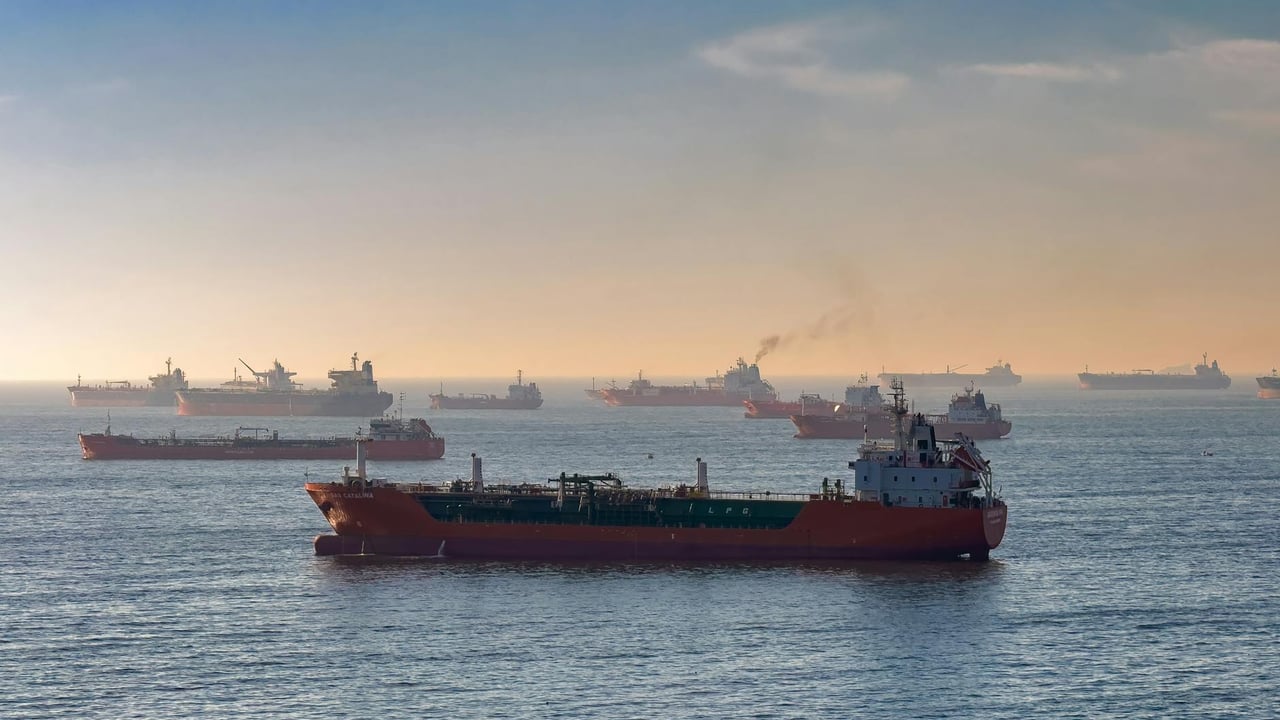
The Strait of Hormuz remains the world’s most critical maritime chokepoint, with a significant portion of the global oil and gas supply transiting through its narrow waters daily. By considering a presence in the Gulf, Berlin is acknowledging that its economic security is inextricably linked to the stability of distant trade arteries. This planning phase indicates that Germany is no longer content to rely solely on allies to police the lanes that fuel its industrial economy.
This potential mission is the latest evidence of the 'Zeitenwende'—the historical turning point in German defense policy sparked by shifting global security dynamics. Under the leadership of Pistorius, the Ministry of Defense has sought to transform the Bundeswehr into a more 'war-capable' force, capable of contributing meaningfully to international security coalitions. The focus on 'potential partners' suggests that any deployment would likely occur under a European Union or a multilateral 'coalition of the willing' umbrella rather than as a solo endeavor.
While the specific triggers for a deployment remain classified, the preparatory work involves complex simulations of maritime threats and logistical requirements. Analysts suggest that the German Navy’s involvement would likely focus on maritime surveillance and the protection of commercial shipping against asymmetric threats. As tensions in the Middle East continue to fluctuate, Berlin is positioning itself to be a proactive stakeholder in regional stability rather than a passive observer of maritime disruption.