

Tehran has signaled its intent to keep the diplomatic door with Washington ajar, even as regional tensions reach a fever pitch. Ebrahim Azizi, Chairman of the Iranian Parliament’s National Security and Foreign Policy Committee, confirmed that the Islamic Republic has decided to proceed with negotiations. However, he pointedly noted that this engagement does not equate to a willingness to accept terms 'at any cost' or to tolerate any approach dictated by the United States.
This measured confirmation of diplomatic intent arrives at a critical juncture for Middle Eastern stability. Reports suggest that a two-week ceasefire is nearing its expiration, leaving a mere 48-hour window for a 'maximum game' of leverage between Tehran and the Trump administration. The rhetoric from Tehran remains dual-tracked, balancing the language of dialogue with the hard reality of red lines that Iranian officials claim are non-negotiable.
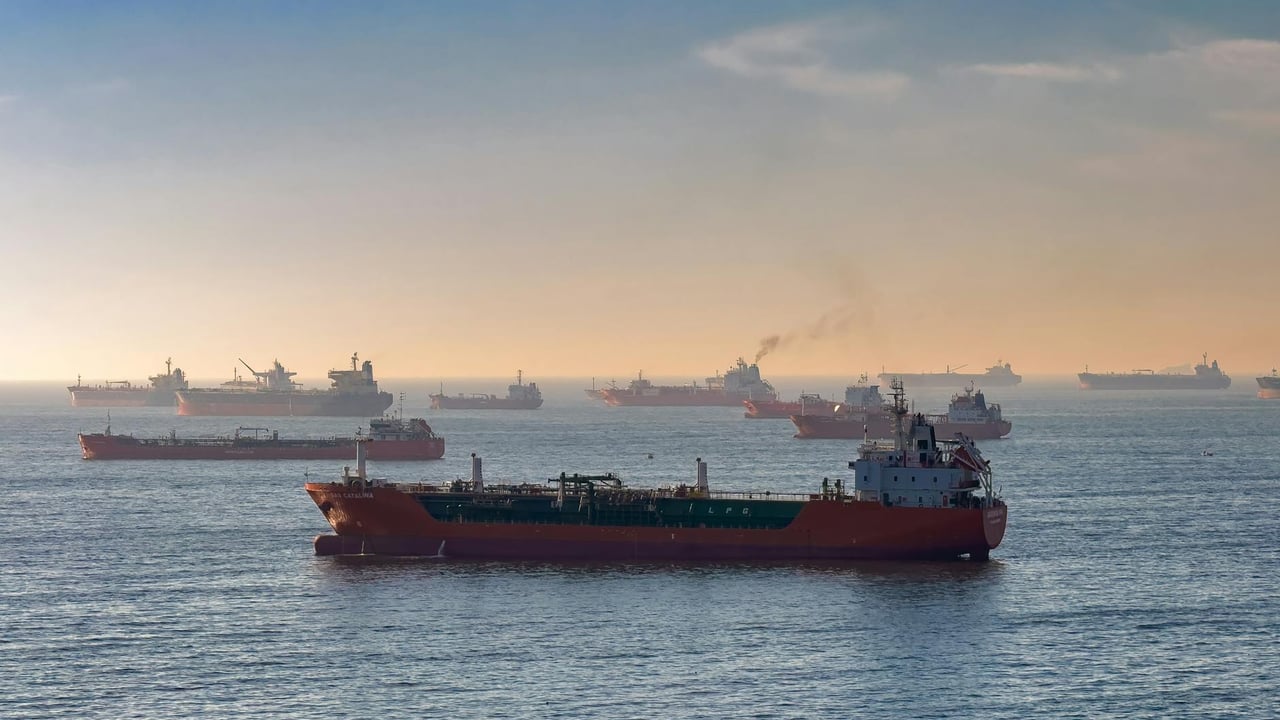
The geopolitical backdrop to these talks is increasingly volatile, particularly in the maritime corridors of the Strait of Hormuz. Recent incidents involving fire on commercial tankers and the potential implementation of transit fees for the waterway suggest that Iran is leveraging its geographic position to counter U.S. economic pressure. By threatening the 'nuclear button' of global energy transit, Tehran seeks to enter the second round of negotiations from a position of tactical strength rather than economic desperation.
Furthermore, the internal political climate in Iran appears to be consolidating around this 'negotiate-but-resist' framework. While the parliamentary leadership sanctions continued talks, the military wing maintains a posture of readiness, illustrating a coordinated state strategy. As Washington initiates what it calls 'Economic Fury' measures, the world watches to see if these conditional negotiations can prevent a localized conflict from spiraling into a broader regional conflagration.