
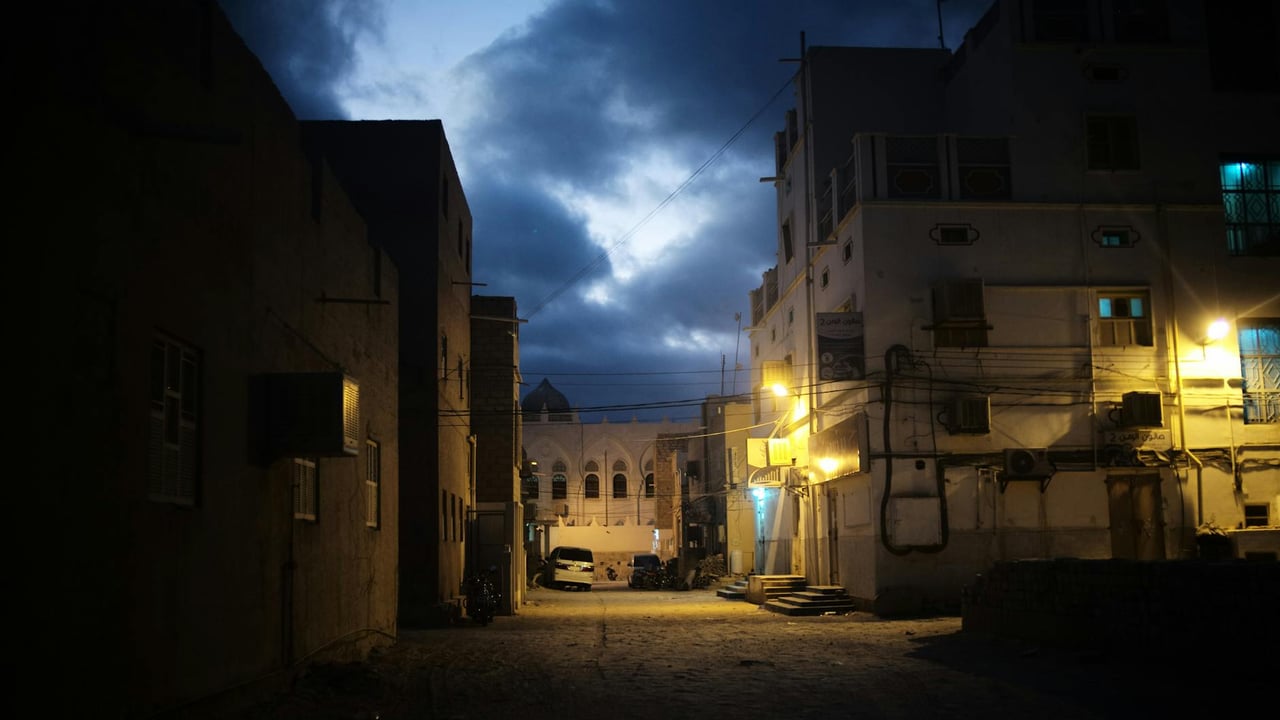

In the war-torn port city of Aden, the delicate strokes of Chinese calligraphy are offering a stark contrast to the scars of a decade-long civil war. During the recent United Nations Chinese Language Day celebrations, Yemeni students gathered to participate in cultural workshops, signaling a growing local interest in Mandarin that persists despite the country’s fragmenting infrastructure. This cultural outreach, often documented by local journalists on the front lines, represents a quiet but significant expansion of Chinese influence in the heart of the Arab world’s most dire humanitarian crisis.
For many young Yemenis, the motivation to learn Chinese transcends mere academic curiosity; it is a calculated bet on the future. As Western diplomatic engagement remains primarily focused on security and humanitarian aid, China’s ‘Belt and Road’ narrative offers a vision of eventual reconstruction and trade. The presence of Chinese language programs in cities like Aden suggests that even in a failed state, the allure of the world’s second-largest economy provides a rare window of perceived economic mobility.
The pedagogical shift is mirrored by the hazardous work of local media professionals who bridge the gap between Middle Eastern battlefields and Chinese audiences. Journalists such as Murad Abdu, who have spent years reporting from flashpoints like Dali’a province, play a crucial role in contextualizing the Yemeni conflict for a Beijing leadership that increasingly views itself as a regional mediator. This dual flow of information—Chinese culture flowing in and Yemeni reality flowing out—strengthens a bilateral bond that is largely ignored by traditional Western geopolitical analysis.
Ultimately, the rise of Mandarin in Yemen serves as a micro-study of China’s broader ‘Global South’ strategy. By investing in soft power and cultural capital during periods of instability, Beijing positions itself as a long-term partner ready to lead the post-war developmental phase. While the guns have not yet fallen silent across Yemen, the quiet scratching of bamboo brushes on paper suggests that the linguistic landscape of the Middle East is undergoing a profound and durable transformation.