Fortress Taipei: The Strategic Theater of Taiwan’s ‘Anti-Decapitation’ Drills

Taiwan's military has initiated large-scale exercises modeled on US doctrine to prevent 'decapitation' strikes against its leadership. While intended to demonstrate resilience, critics dismiss the drills as a psychological pacifier that fails to address the fundamental military imbalance across the Taiwan Strait.

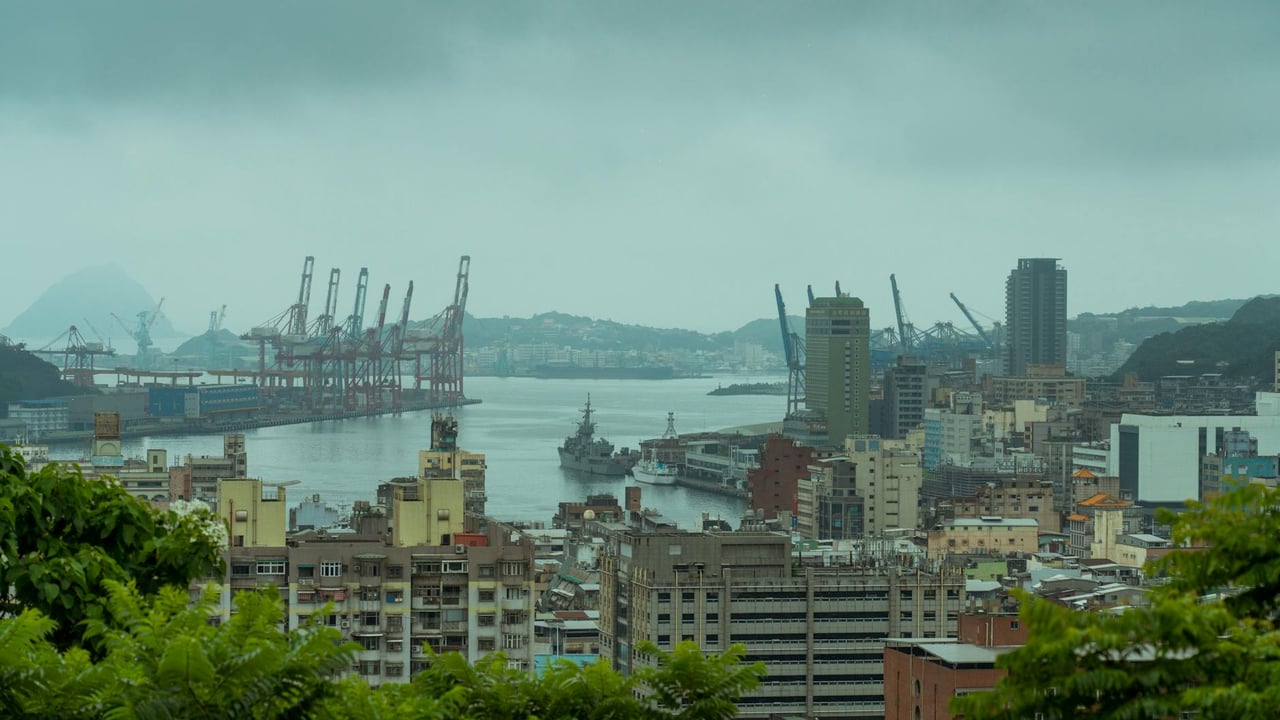
Scenic aerial view of Keelung Harbor, Taiwan with modern architecture and cranes under overcast skies.

Key Takeaways

  • 1Taiwan is conducting massive 'anti-decapitation' drills based on US military tactics to protect senior leadership.
  • 2The exercises aim to counter the PLA's ability to conduct rapid, surgical strikes intended to paralyze the government.
  • 3Critics like Qiu Yi characterize these maneuvers as 'self-consolation' and political theater for domestic consumption.
  • 4The drills underscore the growing tactical and symbolic integration between the military forces of Taipei and Washington.
  • 5The focus on leadership survival highlights the fear of a 'lightning war' scenario in the Taiwan Strait.

Editor's
Desk

Strategic Analysis

The focus on 'anti-decapitation' drills serves two masters: it is simultaneously a tactical requirement for survival and a powerful piece of political communication. By referencing American military standards, Taipei is not just training soldiers; it is signaling to both its citizens and Beijing that its defense infrastructure is evolving in lockstep with Western expertise. However, the 'so-what' factor lies in the fragility of this strategy. If the PLA can frame these drills as acts of 'cowardice' or 'futile theater,' as seen in mainland-leaning media outlets, it erodes the deterrent value of the exercises. The psychological warfare occurring alongside the physical drills is just as critical as the simulated combat itself, as both sides compete to define whether Taiwan's defense is a robust fortress or a hollow shell.

China Daily Brief Editorial
Strategic Insight
China Daily Brief

In an increasingly precarious regional security environment, Taiwan’s armed forces have launched a series of high-profile, large-scale exercises focused on 'anti-decapitation' scenarios. These drills, which reportedly draw heavy inspiration from United States military tactical doctrine, are specifically designed to safeguard the island’s top leadership and maintain command continuity in the event of a surgical strike or special operations raid by the People’s Liberation Army (PLA).

The exercises reflect a significant shift in Taipei’s defensive calculus, prioritizing the protection of the 'nerve center' against Beijing’s evolving rapid-reaction capabilities. By simulating the extraction of key officials and the defense of critical government hubs, the Taiwanese military is signaling its intent to resist a lightning war that seeks to end the conflict before international intervention can materialize.

However, these maneuvers have drawn sharp criticism from pro-unification figures and mainland-aligned analysts, most notably former legislator Qiu Yi. Critics argue that the heavy focus on protective drills is less a military necessity and more a form of 'psychological self-consolation' for a leadership that perceives its position as increasingly untenable against the mainland’s massive conventional superiority.

From this perspective, the adoption of American-style maneuvers is viewed as a symbolic gesture of alignment with Washington rather than a fundamental change in the military balance of power. The skepticism highlights a core tension in Cross-Strait dynamics: whether such drills represent a credible deterrent or are merely a performative effort to bolster domestic morale amid mounting geopolitical pressure.

Share Article

Related Articles

📰
No related articles found