Pragmatic Posturing: Tehran Signals Continued Engagement with Washington

Iran has confirmed its intention to maintain diplomatic negotiations with the United States, citing a preference for rational dialogue over conflict. President Masoud Pezeshkian emphasized that while de-escalation is the goal, the Iranian government remains deeply skeptical of Western intentions and will maintain a posture of high vigilance.

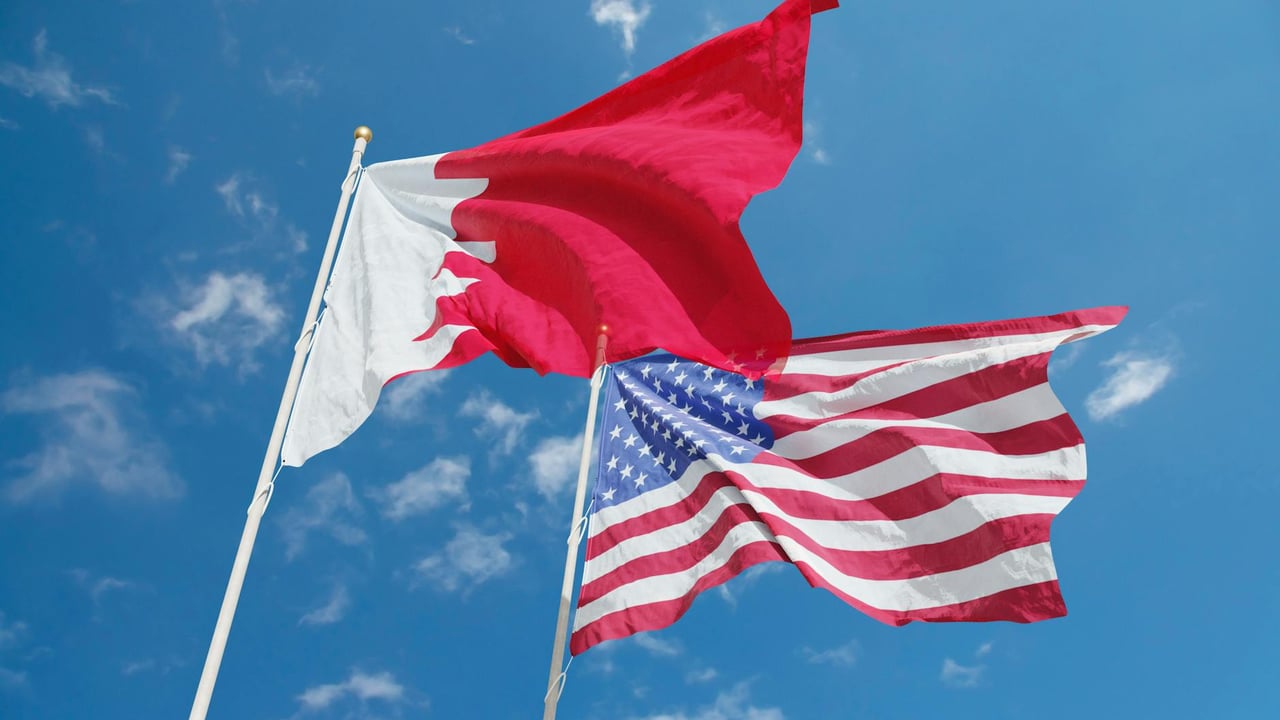
Flags of Bahrain and the United States waving against a bright blue sky, symbolizing international relations.

Key Takeaways

  • 1Iranian Parliament's security head confirms the decision to continue talks with the U.S.
  • 2President Pezeshkian frames diplomacy as the only rational alternative to a mutually destructive war.
  • 3Tehran explicitly states that engagement does not imply a willingness to accept any and all terms.
  • 4The administration continues to emphasize 'mistrust' and 'vigilance' to satisfy domestic hardliners.
  • 5The signals suggest a prioritization of sanctions relief via cautious diplomatic channels.

Editor's
Desk

Strategic Analysis

The Iranian leadership is walking a razor's edge between economic necessity and ideological purity. By signaling a willingness to talk while loudly proclaiming their distrust, they are engaging in defensive diplomacy. This allows the Pezeshkian administration to explore sanctions relief—crucial for domestic stability—without providing their hardline critics with ammunition to claim a sell-out of national sovereignty. The strategic significance lies in the admission that war is non-beneficial, suggesting that despite regional proxy tensions, the core Iranian state apparatus currently views direct escalation as a threat to its own survival. The real test will be whether this rhetoric can translate into a framework that addresses the core concerns of the nuclear file and regional security.

China Daily Brief Editorial
Strategic Insight
China Daily Brief

In a move suggesting a persistent commitment to strategic pragmatism, senior Iranian officials have signaled their intent to continue negotiations with the United States. Ibrahim Azizi, chairman of the Iranian Parliament's National Security and Foreign Policy Committee, indicated to Al Jazeera that while Tehran remains at the table, it will not pursue diplomacy at any cost or accept unfavorable terms from its counterparts.

This diplomatic signaling comes from the highest levels of the Iranian executive branch. President Masoud Pezeshkian, during a recent address to the judiciary, reinforced the notion that regional conflict serves no party's long-term interests. By advocating for rational diplomatic pathways to mitigate tensions, the President is attempting to balance the need for de-escalation with the domestic requirement to appear firm against external pressure.

The current administration's approach is marked by a dual-track strategy of engagement tempered by explicit skepticism. Pezeshkian notably qualified his support for talks by emphasizing a deep-seated mistrust of his adversaries, urging Iranian officials to maintain vigilance in all interactions. This rhetoric is designed to pacify hardline factions within the Islamic Republic while keeping the door open for potential sanctions relief.

For a global audience, these developments suggest that despite heightened regional volatility, the channel between Tehran and Washington remains functional, if fragile. The emphasis on rationality over militancy highlights a calculated effort by the Pezeshkian government to steer Iran away from total economic isolation. However, the success of this strategy hinges on whether both sides can move beyond performative dialogue toward substantive agreements.

Share Article

Related Articles

📰
No related articles found