
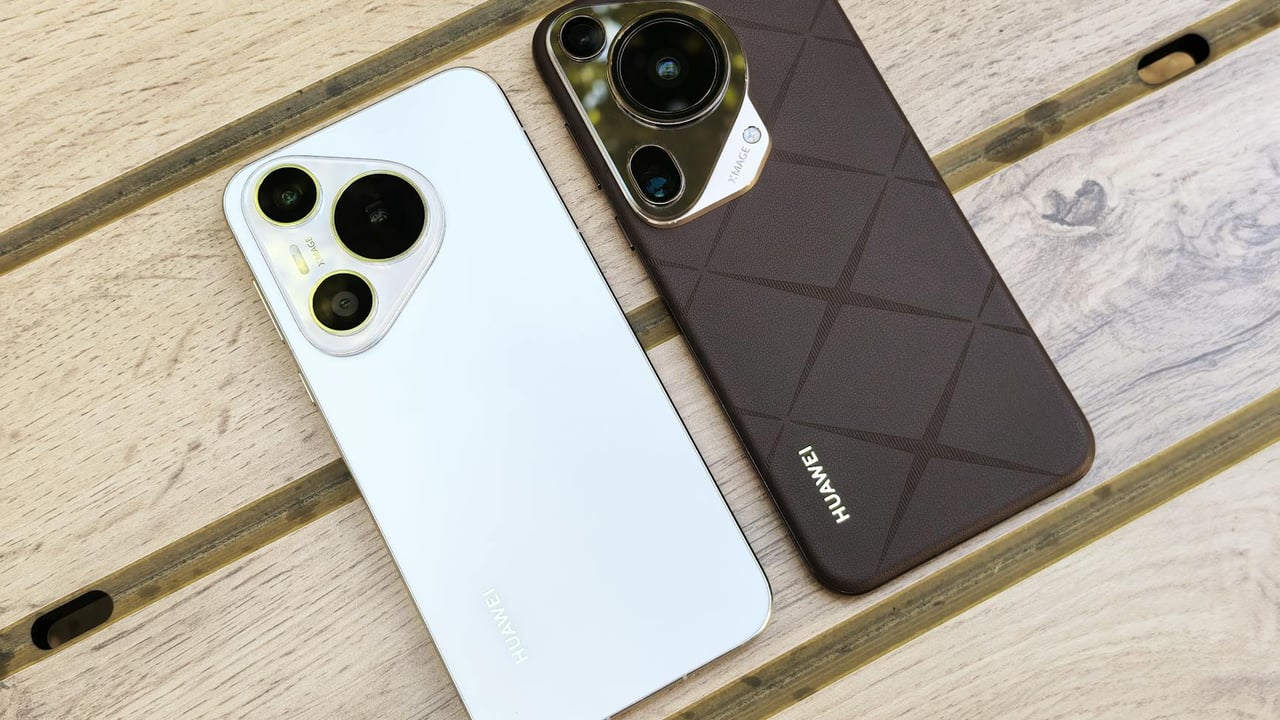

Huawei has once again signaled its dominance in the premium smartphone sector with the launch of the Pura X Max, a device the company describes as the industry’s first 'large-wide-foldable.' Priced starting at 10,999 RMB ($1,520), the flagship aims to blur the lines between mobile productivity and handheld gaming. By adopting a 'paper-like' aspect ratio for both its 7.7-inch internal and 5.4-inch external displays, Huawei is moving away from the narrow form factors that have characterized previous folding generations.
Under the hood, the device is powered by the Kirin 9030 Pro, a testament to the resilience of Huawei’s domestic silicon pipeline despite ongoing geopolitical headwinds. Running on HarmonyOS 6.1, the Pura X Max promises significant performance gains and a deeper integration of artificial intelligence. The new 'Celia' AI assistant transitions from a reactive tool to an active companion, offering proactive services and intelligent reading assistance, marking a shift toward the 'AI Phone' era.
Durability remains a core focus for the brand, utilizing the 'Xuanwu' architecture and second-generation Kunlun glass to achieve IP58 and IP59 ratings for dust and water resistance. This robust hardware is paired with a sophisticated camera array, featuring the second-generation Red Maple color system and a 50-megapixel primary sensor with variable aperture. The addition of AI-driven creative tools, such as sketch-to-image generation, suggests Huawei is targeting the creative professional demographic that typically gravitates toward tablets.
This release solidifies the rebranding of the legendary P-series into the Pura line, a move intended to elevate the brand into the 'fashion-tech' stratosphere. By launching a device that functions as a tablet when open and a dedicated gaming handheld when closed, Huawei is attempting to capture the niche high-end segment where users demand all-in-one versatility. The Pura X Max is not just a phone; it is a strategic declaration that Huawei intends to lead the next architectural evolution of mobile hardware.