Hemei Group’s Property Windfall: A Classic Tale of Chinese Corporate Survival

Hemei Group has returned to profitability in 2025 by selling 90 premium Shenzhen apartments and pivoting its core business toward the green energy sector. Despite the positive financial turn, the company continues to face legal challenges from investors regarding past misrepresentations.

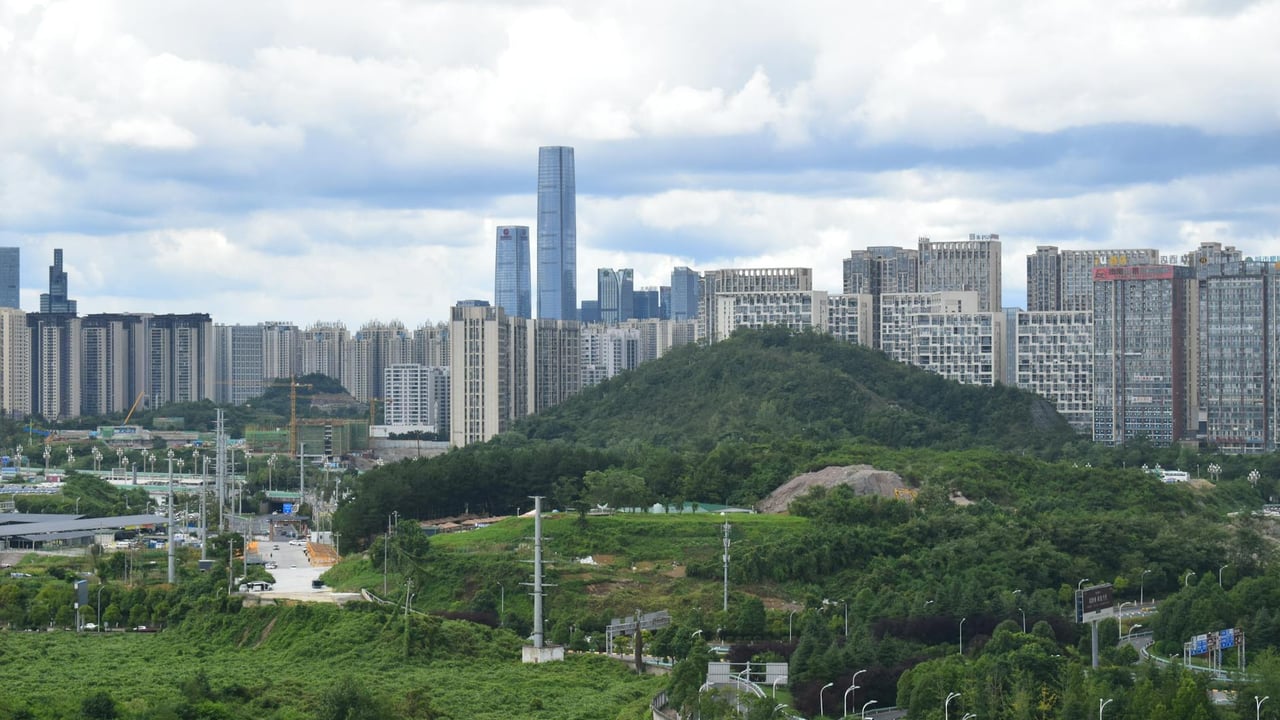
A city skyline merges with nature, featuring skyscrapers behind lush green hills.

Key Takeaways

  • 1Hemei Group reported a 2025 net profit of 38.39 million RMB, reversing previous losses.
  • 2The profit was primarily driven by the disposal of 90 apartments in Shenzhen's Nanshan District, yielding 71.38 million RMB.
  • 3The company's revenue structure has shifted, with energy-related businesses now contributing 75.91% of total income.
  • 4Despite the financial recovery, a Shenzhen court recently ordered the firm to pay damages to investors for securities fraud.
  • 5The property liquidation was a strategic move mandated by the company's 2021 bankruptcy reorganization plan.

Editor's
Desk

Strategic Analysis

Hemei Group’s turnaround illustrates a recurring 'shell preservation' (baoke) tactic common among distressed Chinese listed companies: using non-recurring asset sales to avoid the consecutive losses that trigger delisting. While the pivot to green hydrogen aligns with Beijing’s broader industrial policy and provides a narrative for future growth, the reliance on real estate gains suggests that the core operating business is not yet self-sustaining. For global investors, Hemei represents the typical volatility of smaller A-share entities where financial health is often salvaged through balance sheet engineering and state-supported industrial pivots rather than organic market competitiveness.

China Daily Brief Editorial
Strategic Insight
China Daily Brief

In the high-stakes world of China’s A-share market, the line between delisting and survival often hinges on real estate holdings rather than industrial innovation. Shenzhen-listed Hemei Group (002356) has recently exemplified this trend, reporting a return to profitability in 2025 that was fueled largely by the strategic liquidation of residential assets in one of the country's most expensive districts.

The company’s 2025 annual report reveals a net profit of 38.39 million RMB, a significant recovery from the deep losses recorded in previous cycles. While revenue grew by over 43% to reach 583 million RMB, the heavy lifting for the bottom line was done by the disposal of 90 idle apartments in Shenzhen’s affluent Nanshan District. This transaction alone netted the firm approximately 71.38 million RMB in gains, more than double its final net profit.

This asset disposal was a critical component of Hemei’s recovery following a 2021 bankruptcy reorganization. By liquidating these properties through electronic auction platforms, the company managed to satisfy secured creditors and drastically reduce its debt load. The move effectively used Shenzhen’s premium real estate market as a financial bridge to stabilize the company’s precarious balance sheet.

Simultaneous to its property sales, Hemei is attempting an ambitious narrative shift toward green energy. Its energy station and hydrogen-powered bike businesses now account for over 75% of total revenue, up from 48% a year prior. However, the shadow of past mismanagement lingers, as the company remains embroiled in lawsuits with retail investors over alleged securities fraud, highlighting the long road ahead to restoring full market confidence.

Share Article

Related Articles

📰
No related articles found