
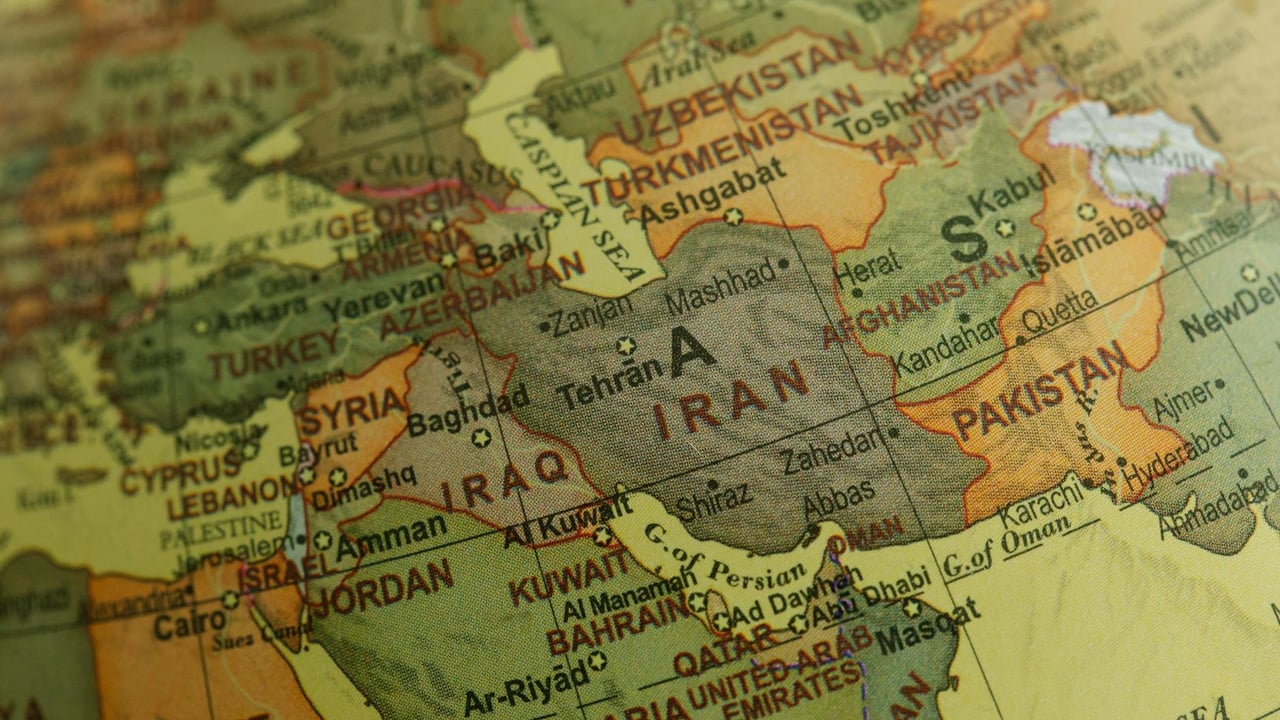

In a characteristically blunt maneuver that has sent tremors through global diplomatic circles, U.S. President Donald Trump has signaled a hard deadline for the current cessation of hostilities with Iran. During a high-stakes telephone interview with Bloomberg News on April 20, 2026, the President stated that it is nearly impossible for his administration to consider another extension of the ceasefire unless a comprehensive agreement is reached.
This hardening of the American stance marks a pivotal moment in the administration's Middle East strategy, suggesting that the era of tactical pauses may be coming to a close. By framing the ceasefire as a finite commodity rather than a permanent state, the White House is attempting to force Tehran into a corner, utilizing the threat of resumed military or economic escalation as a primary negotiating lever.
The geopolitical implications of this deadline are profound, particularly for regional stability and the volatile global energy markets. Analysts suggest that the 'nearly impossible' rhetoric is designed to disrupt the status quo, signaling to both allies and adversaries that the U.S. is prepared to risk a return to open friction if its core demands regarding regional security and nuclear constraints are not met.
As the clock ticks toward the expiration of the current arrangement, the international community is watching for a response from the Iranian leadership. The strategy reflects the signature 'maximum pressure' approach, where the looming threat of a breakdown serves as the catalyst for diplomatic breakthroughs, though the risk of miscalculation remains significantly high in this high-stakes game of brinkmanship.