
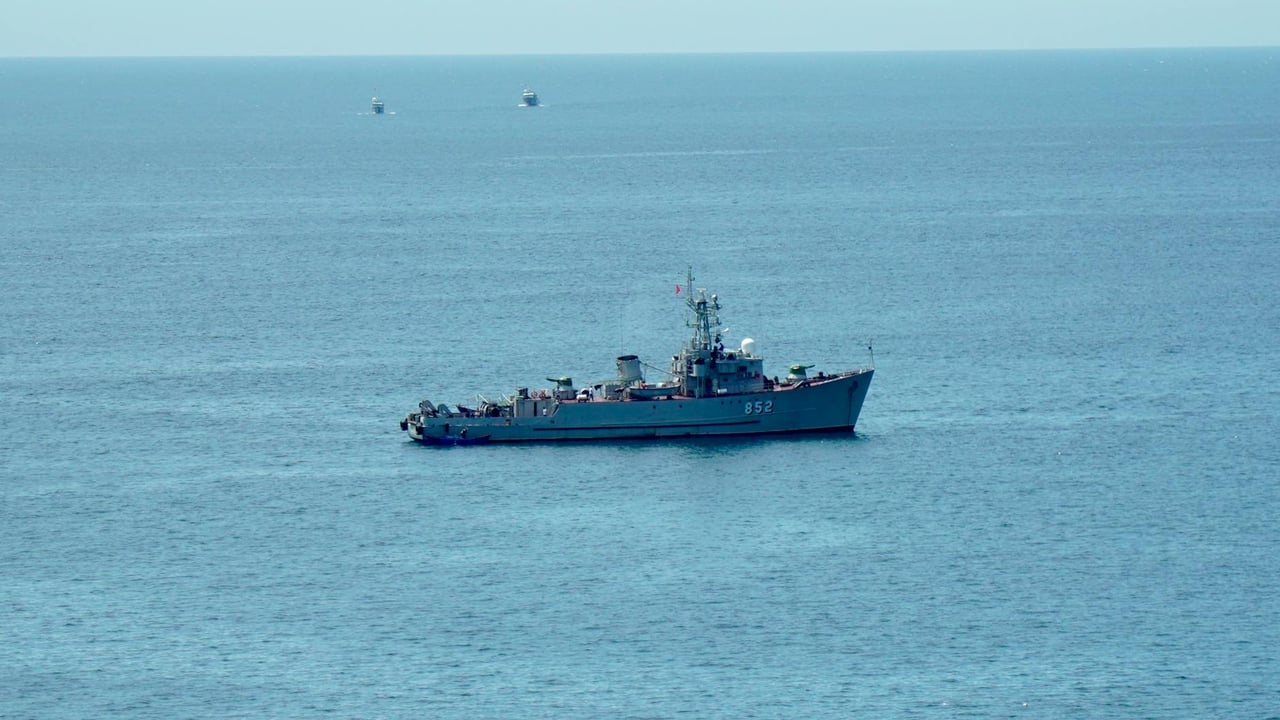

The U.S. military has released high-definition footage detailing a high-stakes night-time operation where special forces boarded an Iranian cargo vessel. The video, captured under the cover of darkness, depicts MH-60 Seahawk helicopters hovering over the moving ship while elite soldiers descend via fast-ropes onto the deck. This public disclosure of sensitive tactical maneuvers serves as a deliberate signal to Tehran regarding the U.S. military’s reach and readiness in contested waters.
While the official mission parameters often cite the enforcement of international maritime law or sanctions, the timing of this release suggests a broader strategic objective. By showcasing its ability to conduct precise, vertical-insertion raids at night, Washington is reinforcing its commitment to securing critical trade arteries like the Strait of Hormuz and the Red Sea. Such operations are increasingly common as the U.S. seeks to intercept the flow of illicit cargo or advanced weaponry suspected of being bound for regional proxy groups.
The optics of the raid underscore the persistent 'shadow war' being fought between U.S. naval assets and Iranian-flagged vessels. These maritime encounters often skirt the edge of direct kinetic conflict, relying on psychological pressure and physical interdiction to deter Iranian influence. The release of this footage by official channels ensures that both domestic audiences and international adversaries see the technical superiority of American maritime interdiction capabilities.
For global shipping markets, these images are a double-edged sword. While they demonstrate a proactive stance on maritime security, they also highlight the volatility that continues to drive up insurance premiums for vessels traversing the Middle East. As both nations continue this high-stakes game of cat-and-mouse, the risk of a miscalculation or a tactical error leading to a wider regional flare-up remains a primary concern for international observers.