

The prospect of a diplomatic breakthrough between Washington and Tehran has dimmed significantly following a violent maritime encounter in the Gulf of Oman. While the White House signaled a high-level push for negotiations in Pakistan, the reality on the water tells a far more confrontational story. The interception of an Iranian cargo vessel by U.S. forces has not only halted the momentum for talks but has also pushed both nations closer to the precipice of open conflict.
In a display of 'maximum pressure' diplomacy, the Trump administration announced that Vice President J.D. Vance would lead a delegation to Islamabad for a second round of talks, with the President himself suggesting a possible appearance if a deal were imminent. However, Tehran has flatly rejected the invitation, characterizing the U.S. stance as contradictory and its expectations as 'unrealistic.' The Iranian leadership maintains that no such meeting is currently on their agenda, citing continued U.S. naval blockades as a direct violation of existing ceasefire terms.
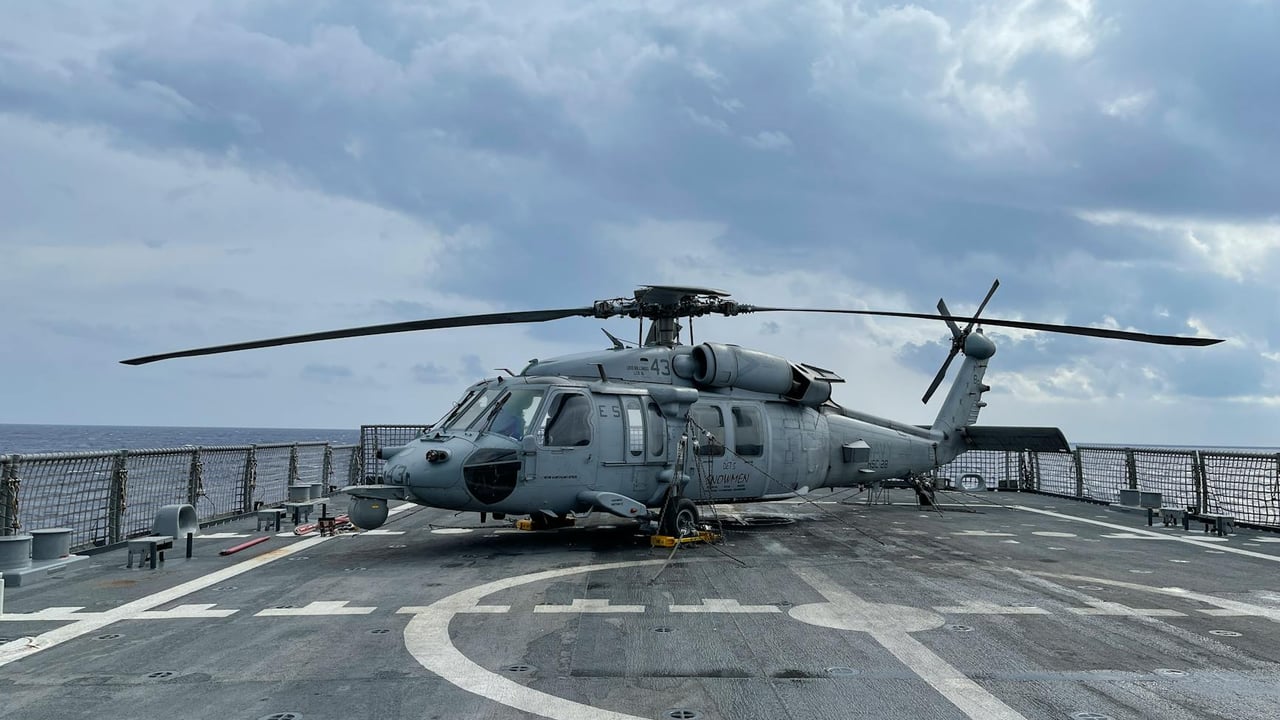
The tension reached a boiling point when the USS Spruance, a guided-missile destroyer, intercepted the Iranian freighter 'Touska' in the North Arabian Sea. U.S. Central Command confirmed that the vessel was disabled by naval gunfire and subsequently boarded by Marines after it attempted to bypass the maritime blockade. Iran responded by deploying drones against U.S. assets and labeling the incident as 'armed piracy,' vowing that a retaliatory response would be forthcoming.
Beyond the immediate military friction, Tehran is now moving to institutionalize its leverage over the Strait of Hormuz. The Iranian parliament is reportedly drafting a 'comprehensive law' that would formalize a new maritime order, including the power to ban vessels linked to Israel or 'hostile nations' from the strategic waterway. This legislative maneuver, coupled with the establishment of the 'Larak Corridor,' suggests that Iran is prepared to weaponize its geographical advantage if its infrastructure becomes a target for U.S. strikes.
The immediate impact on global commerce is already visible. Maritime analysts report that dozens of vessels have reversed course rather than risk navigating the Strait under the current conditions. As both sides harden their positions, the delicate balance of regional stability is being replaced by a volatile cycle of kinetic engagement and economic coercion that threatens to engulf the world's most critical energy transit point.