

The global AI landscape in early 2026 is witnessing a decisive shift from digital assistants confined to screens toward 'embodied intelligence' and specialized hardware. While OpenAI prepares to launch a new generation of image models capable of rendering complex diagrams, Chinese tech giants are aggressively moving into the physical world. Huawei’s launch of its HarmonyOS-powered AI glasses, equipped with a 1200-pixel sensory camera and real-time interactive capabilities, signals that wearable AI is moving from a niche curiosity to a primary consumer interface.
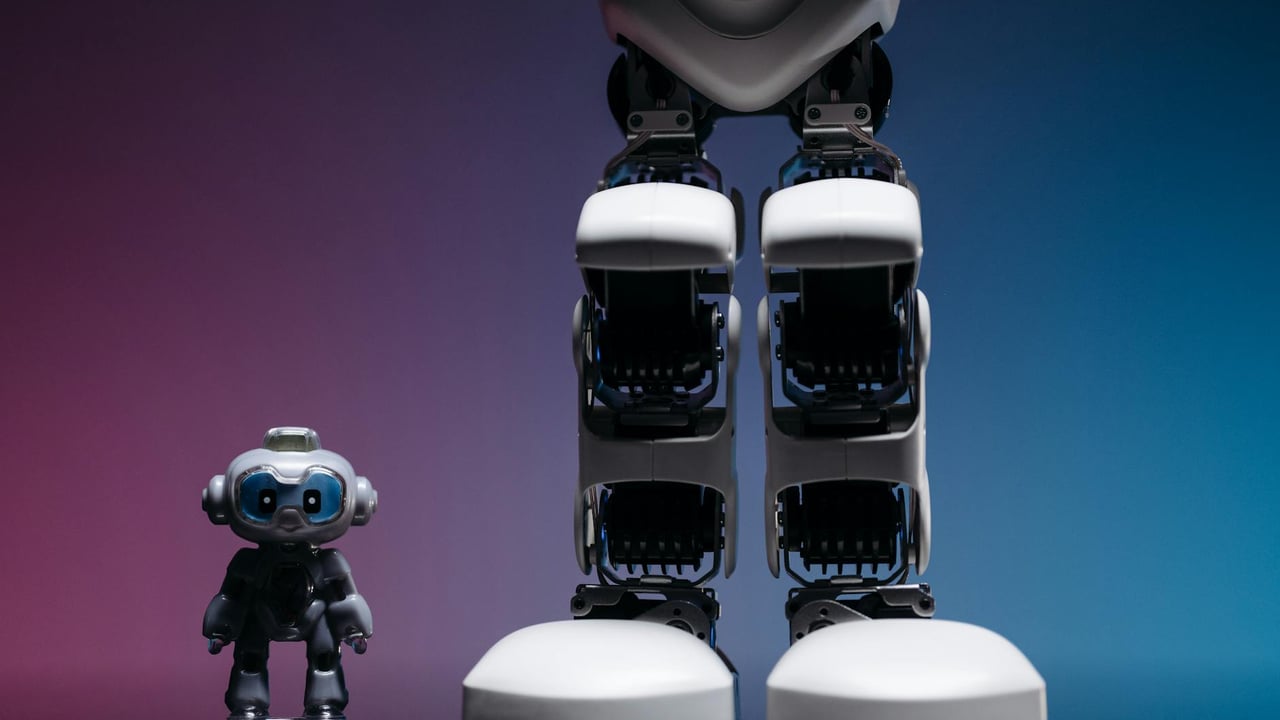
This transition to physical hardware is matched by an unprecedented surge in the humanoid robotics sector. Recent demonstrations in Beijing, including a robot half-marathon where machines outperformed human world records, underscore the rapid maturation of locomotion and balance. IDC forecasts that global humanoid shipments will surpass 510,000 units by 2030, with a staggering 95% compound annual growth rate. This is no longer speculative; companies like 1X and Unitree are moving from laboratory prototypes to 'factory labor' deployments, reflecting a broader industrial pivot toward automated physical agents.
To power this proliferation of AI endpoints, the infrastructure layer is seeing massive capital injection. Sunrise (Xiwan), a Chinese unicorn specializing in AI inference GPUs, recently secured a funding round exceeding 1 billion RMB. This investment reflects a strategic emphasis on the 'inference era'—the stage where the priority shifts from training massive models to running them efficiently across millions of devices. As global players like Adobe expand their 'agentic' ecosystems to integrate payment systems directly into AI workflows, the friction between AI suggestion and commercial execution is rapidly disappearing.
Meanwhile, the rivalry in frontier models remains intense as Alibaba previews its Qwen 3.6-Max, a flagship model designed to compete with the likes of OpenAI’s upcoming releases. The integration of these models into 'enterprise agents'—autonomous software that can handle complex office tasks—is becoming the new standard for corporate productivity. By linking cloud-based intelligence with on-device hardware, the tech industry is attempting to build an end-to-end loop where AI can see, move, and transact on behalf of the user.