
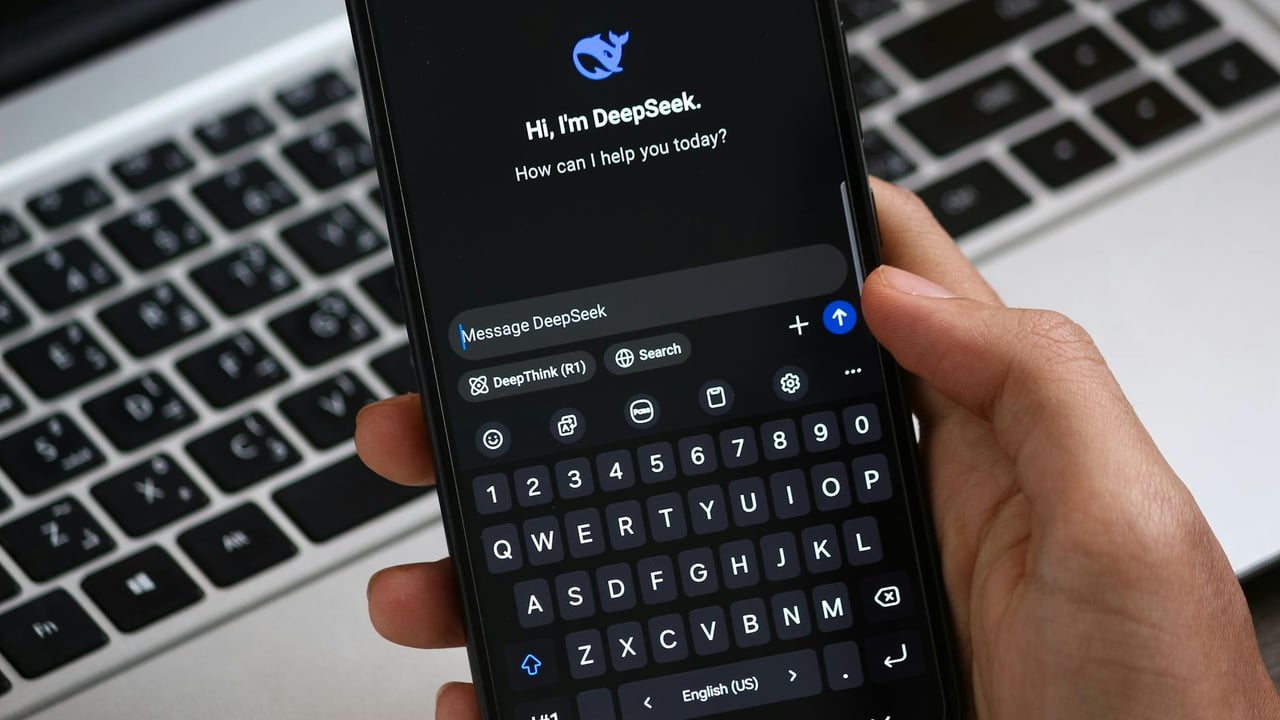

DeepSeek, the prominent Chinese artificial intelligence laboratory that has consistently punched above its weight, is reportedly in negotiations for its first external funding round. Targeting a valuation in excess of $10 billion, the move marks a significant departure for the firm, which has historically relied on a leaner, more private operational model. This infusion of capital is designed to bolster a war chest necessary for the next phase of the global AI competition.
More consequential than the funding itself is the revelation of a massive strategic architecture shift. DeepSeek has announced that its upcoming flagship model, DeepSeek V4, will run exclusively on Huawei’s Ascend 950PR chips. This transition represents a total migration away from Nvidia’s industry-standard CUDA architecture in favor of Huawei’s proprietary CANN framework, signaling a new era of vertical integration within the Chinese tech ecosystem.
The technical hurdles of abandoning Nvidia appear to be rapidly vanishing. Reports indicate that Huawei’s CANN framework now achieves over 95% compatibility with CUDA code, allowing developers to migrate complex projects in hours rather than months. For DeepSeek, the result of this deep optimization is a reported 35-fold increase in inference speed on the Ascend 950PR compared to initial versions, showcasing a level of efficiency that was previously thought unattainable on domestic hardware.
This shift carries profound implications for the global semiconductor market and the efficacy of U.S. export controls. Internal testing suggests that a single Huawei Ascend 950PR card can now deliver 2.87 times the inference performance of Nvidia’s H20—the downgraded chip specifically designed by the American giant to comply with trade restrictions. By proving that domestic silicon is not just 'usable' but superior in specific workloads, DeepSeek is providing a blueprint for the wider Chinese AI industry to achieve silicon sovereignty.
The ripple effects are already being felt across the domestic supply chain, with companies specializing in high-speed server connectors and domestic chip design, such as Huafeng Technology and Cambricon, poised for a windfall. As DeepSeek moves from the 'Nvidia era' to a 'Huawei-native' approach, the construction of sovereign AI server clusters in China is expected to accelerate significantly, reducing the long-term risk of Western technological strangulation.