High Stakes in the Strait: The Fragile Geometry of Trump’s Iran Brinkmanship

Iran has reinstated its blockade of the Strait of Hormuz, contradicting President Trump’s claims that a diplomatic breakthrough is imminent. The standoff is driven by irreconcilable differences over uranium stockpiles and enrichment rights, exacerbated by high U.S. energy prices and a tightening American naval blockade.

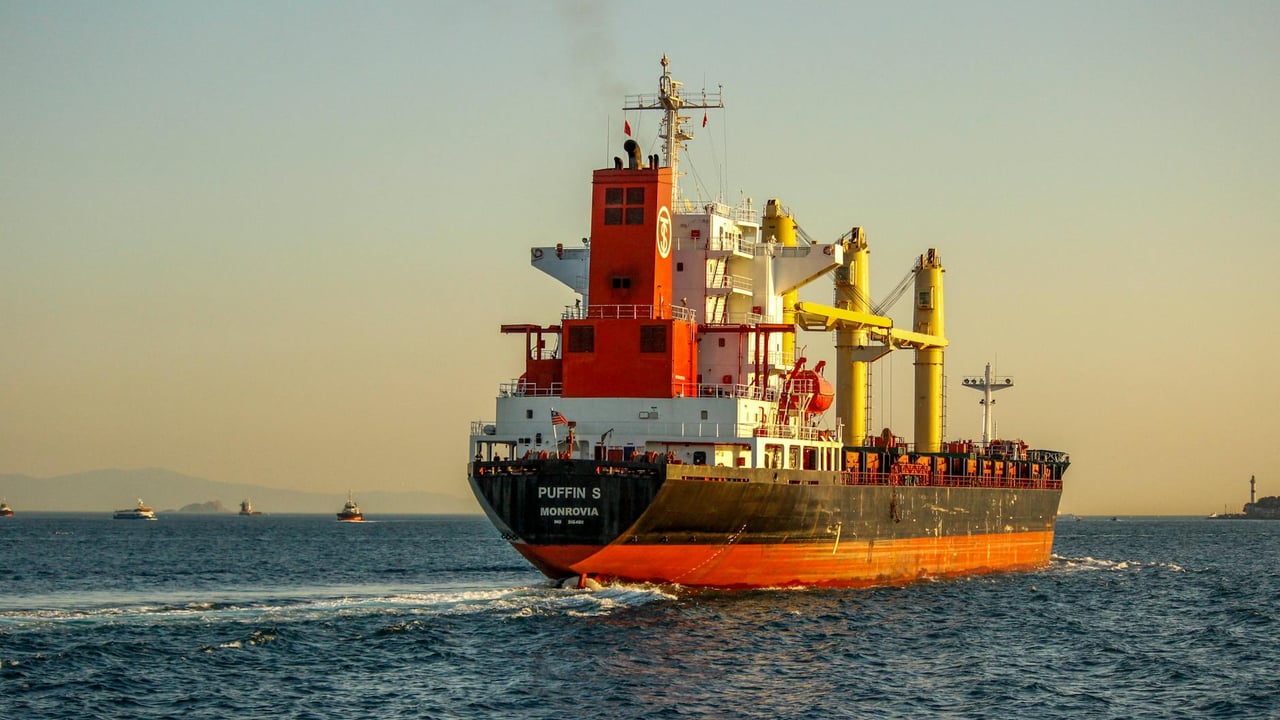
A vibrant container ship navigating the Bosphorus Strait, Istanbul during sunset, enhancing the maritime scenery.

Key Takeaways

  • 1Iran reversed its decision to open the Strait of Hormuz, citing continued U.S. naval pressure and a lack of progress in negotiations.
  • 2President Trump is publicly signaling optimism to soothe domestic markets and lower oil prices, despite significant gaps in the actual talks.
  • 3A major sticking point involves a U.S. proposal to trade $20 billion for Iran's enriched uranium, which Tehran has flatly rejected.
  • 4Internal U.S. economic pressure, specifically rising inflation and fuel costs, is a primary driver of the current administration's push for a deal.
  • 5The risk of military escalation remains high as the U.S. considers boarding Iranian-linked vessels in international waters.

Editor's
Desk

Strategic Analysis

The current impasse reveals the limitations of 'maximum pressure' when applied to a regime that views its maritime leverage as an existential survival tool. Trump’s strategy of projecting confidence is a calculated attempt to manipulate market sentiment and manage domestic political fallout from inflation. However, by conflating domestic economic needs with complex nuclear concessions, the U.S. may be overestimating its bargaining power. Iran’s 'open-and-shut' tactic in the Strait of Hormuz serves as a reminder that as long as the U.S. uses naval blockades as a tool of economic warfare, Tehran will utilize its geographical advantage to hold global energy supplies hostage, regardless of the progress made at the negotiating table in Islamabad or Doha.

China Daily Brief Editorial
Strategic Insight
China Daily Brief

The volatile waters of the Strait of Hormuz have once again become the focal point of a dangerous geopolitical tug-of-war. Just forty-eight hours after Tehran hinted at reopening the vital maritime artery following a Lebanon-Israel ceasefire, the Iranian Revolutionary Guard Corps (IRGC) abruptly reinstated a total blockade. This reversal exposes a profound disconnect between the White House’s optimistic rhetoric and the grim reality of naval standoffs in the Persian Gulf.

While President Donald Trump insists a comprehensive deal is nearly within reach, his administration continues to enforce a rigorous maritime blockade that Tehran cites as a direct violation of recent ceasefire understandings. For the Trump administration, the urgency to secure a diplomatic breakthrough is fueled by domestic economic pressures. With U.S. consumer prices surging and gasoline costs hitting record highs, the White House is desperate to signal stability to nervous global energy markets.

The core of the deadlock remains rooted in three intractable issues: the fate of Iran’s enriched uranium, the duration of enrichment freezes, and the freedom of navigation. Washington has reportedly offered to unfreeze $20 billion in Iranian assets in exchange for the physical transfer of high-enriched uranium to U.S. soil. Tehran has rejected this as a non-starter, viewing the proposal not as a compromise but as a demand for total capitulation of its nuclear sovereignty.

Adding to the friction is a sharp disagreement over the timeline of nuclear restrictions. U.S. negotiators are pushing for a twenty-year moratorium on all enrichment activities, whereas Iranian officials have countered with a maximum five-year pause. This fifteen-year gap illustrates a fundamental lack of trust that even the most aggressive 'art of the deal' diplomacy has failed to bridge. As the U.S. military prepares for potential ship-boarding operations in international waters, the risk of a miscalculation leading to open conflict remains at its highest point in years.

Share Article

Related Articles

📰
No related articles found