The Shattered Mirage: Regional Conflict Pierces Dubai’s Safe Haven Shield

The recent military escalation between the U.S., Israel, and Iran has severely damaged Dubai's reputation as a global safe haven, leading to a collapse in tourism and a mass exodus of expatriate entrepreneurs. Despite a tentative ceasefire, the physical damage to landmarks and the psychological shift in risk perception suggest a long and difficult recovery for the UAE's economic hub.

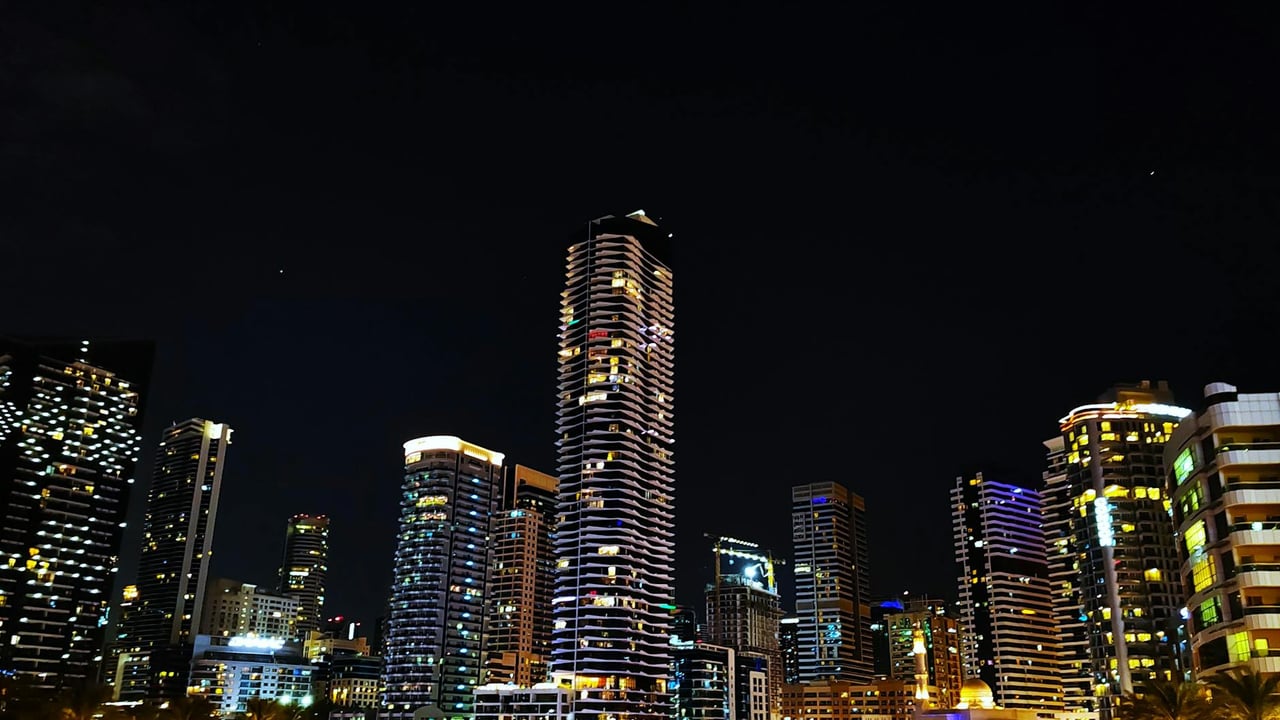
Stunning night view of the Dubai Marina skyline with illuminated skyscrapers reflecting urban vibrancy.

Key Takeaways

  • 1The February 2026 conflict led to direct missile and drone attacks on UAE soil, damaging the Burj Al Arab hotel.
  • 2Dubai's tourism sector has seen occupancy rates drop to 10-20% during what is usually a peak travel season.
  • 3The UAE government has implemented strict flight restrictions, limiting airlines to one flight per day through late May 2026.
  • 4Oxford Economics predicts a potential loss of up to 38 million tourists and $56 billion in revenue for the Middle East if regional instability persists.
  • 5Chinese expatriates are leading a migration wave toward Southeast Asia, signaling a loss of confidence in Dubai's long-term security.

Editor's
Desk

Strategic Analysis

Dubai’s economic model is uniquely vulnerable to geopolitical 'shocks' because it trades almost exclusively on the perception of absolute safety in an otherwise turbulent region. While the city survived previous regional tensions, the 2026 conflict marked a qualitative shift: for the first time, its core infrastructure—including the airport and the Burj Al Arab—was physically compromised. This 'shattering of the mirage' effectively reintroduces a risk premium that Dubai had spent twenty years trying to erase. For the global elite and the Chinese middle class who viewed Dubai as a neutral playground, the realization that the city is within the strike range of regional proxies may lead to a permanent capital flight, benefiting emerging 'safe havens' in Singapore and Thailand.

China Daily Brief Editorial
Strategic Insight
China Daily Brief

For decades, Dubai has marketed itself as a gilded sanctuary, an oasis of stability amidst the volatile geopolitics of the Middle East. The city-state’s success was built on a premise of absolute security, attracting global elites with tax-free living and world-class luxury. However, the recent escalation of conflict involving the United States, Israel, and Iran has punctured this carefully curated bubble, leaving the Burj Khalifa as a lonely sentinel over a city in crisis.

The turning point arrived on February 28, 2026, when regional hostilities translated into direct kinetic threats against the United Arab Emirates. Reports of over 100 missile and drone interceptions within a three-day window shattered the illusion of untouchability. Most shockingly, the iconic Burj Al Arab was caught in the crossfire, suffering significant fire damage that has forced its closure for a year-long restoration effort.

The economic fallout is becoming increasingly visible across the city's critical hospitality sector. Normally teeming with international travelers during the peak spring season, Dubai’s shopping malls and hotels now sit largely vacant. Industry insiders report hotel occupancy rates plummeting to as low as 10%, a devastating blow for a city that saw record-breaking tourism numbers just a year prior.

For the significant Chinese expatriate community, the crisis has prompted a radical reevaluation of Dubai's status. Many who built businesses in the tourism and service sectors are liquidating their assets and seeking opportunities in more stable regions, particularly Southeast Asia. The sentiment among these entrepreneurs is clear: once the perception of safety is lost, the high cost of desert living loses its primary justification.

Even as tentative ceasefire agreements and peace talks emerge, the structural damage to Dubai's brand remains. New flight restrictions limiting carriers to a single daily frequency until the end of May signal a protracted period of isolation. Recovery will not merely require the cessation of fire, but a Herculean effort to rebuild the trust of a global investor class that now views the Gulf as a front-line risk zone.

Share Article

Related Articles

📰
No related articles found