
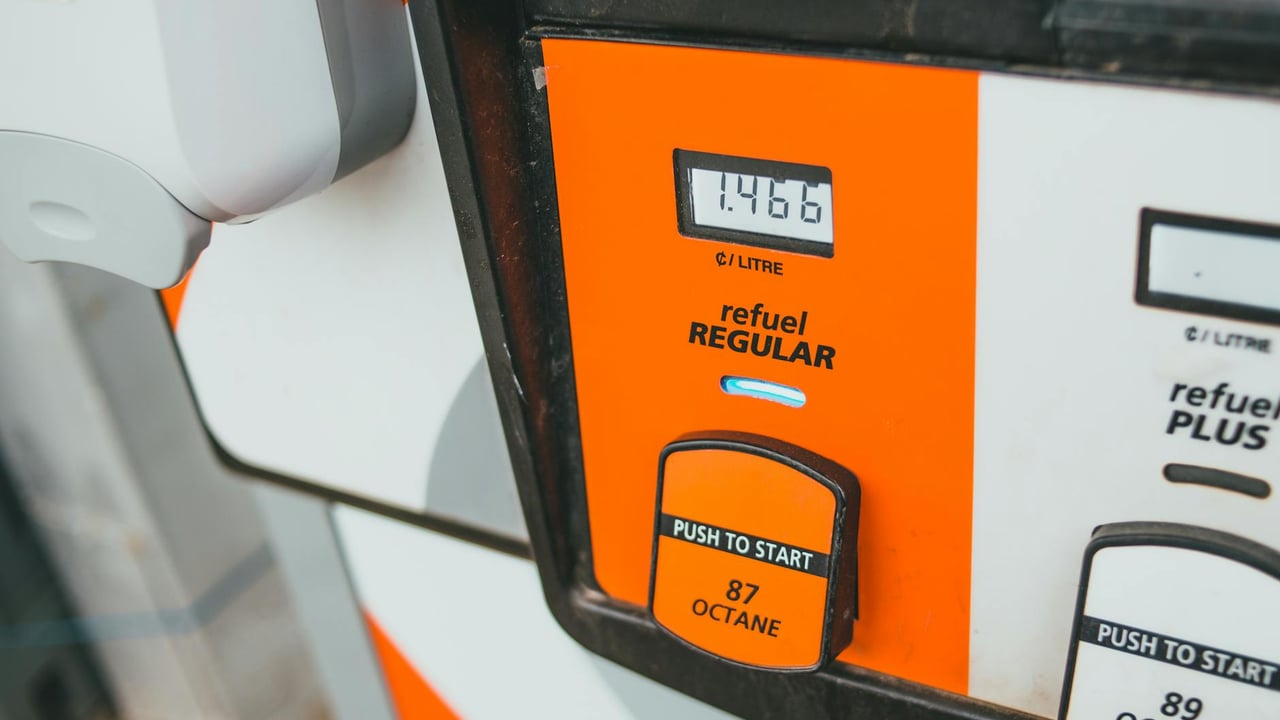

For the first time in 2026, Chinese consumers and logistics providers are set for a reprieve at the fuel pumps. Following a year characterized by a 'six-up, one-hold' streak, the National Development and Reform Commission is expected to announce a significant downward adjustment in domestic refined oil prices. This shift comes after a period of relative cooling in international crude benchmarks, which have retreated from their recent geopolitical peaks.
The anticipated reduction is not merely a market correction but follows a series of strategic interventions by central authorities. In late March and early April, the state deliberately tempered price hikes, opting to pass on only a fraction of the global price surge to downstream users. By subsidizing or capping these costs, Beijing has attempted to shield the broader economy from the inflationary shocks of volatile global energy markets.
Analytical data from domestic firms like Zhuochuang Information and Jinlianchuang indicates that the reference rate for crude has fallen deep into negative territory during the current ten-day assessment window. Projections suggest that gasoline and diesel prices could be slashed by as much as 780 yuan per ton. For the average motorist, this translates to a meaningful reduction in the cost of a full tank, offering a psychological and financial boost amid broader economic headwinds.
However, the long-term outlook remains tethered to precarious international developments. Analysts warn that the current downward trend could easily be reversed by shifts in the diplomatic landscape, particularly regarding negotiations between Washington and Tehran. As long as geopolitical risk premiums remain high, China's domestic pricing mechanism will continue to operate under a cloud of uncertainty, necessitating further state oversight to ensure industrial stability.