Beijing Rebukes Washington Over Tanker Seizure in Volatile Strait of Hormuz

China has voiced formal concern regarding the U.S. military's interception of an Iran-bound oil tanker in the Strait of Hormuz. Beijing is urging all parties to de-escalate tensions and respect international agreements to ensure the stability of vital global energy shipping routes.

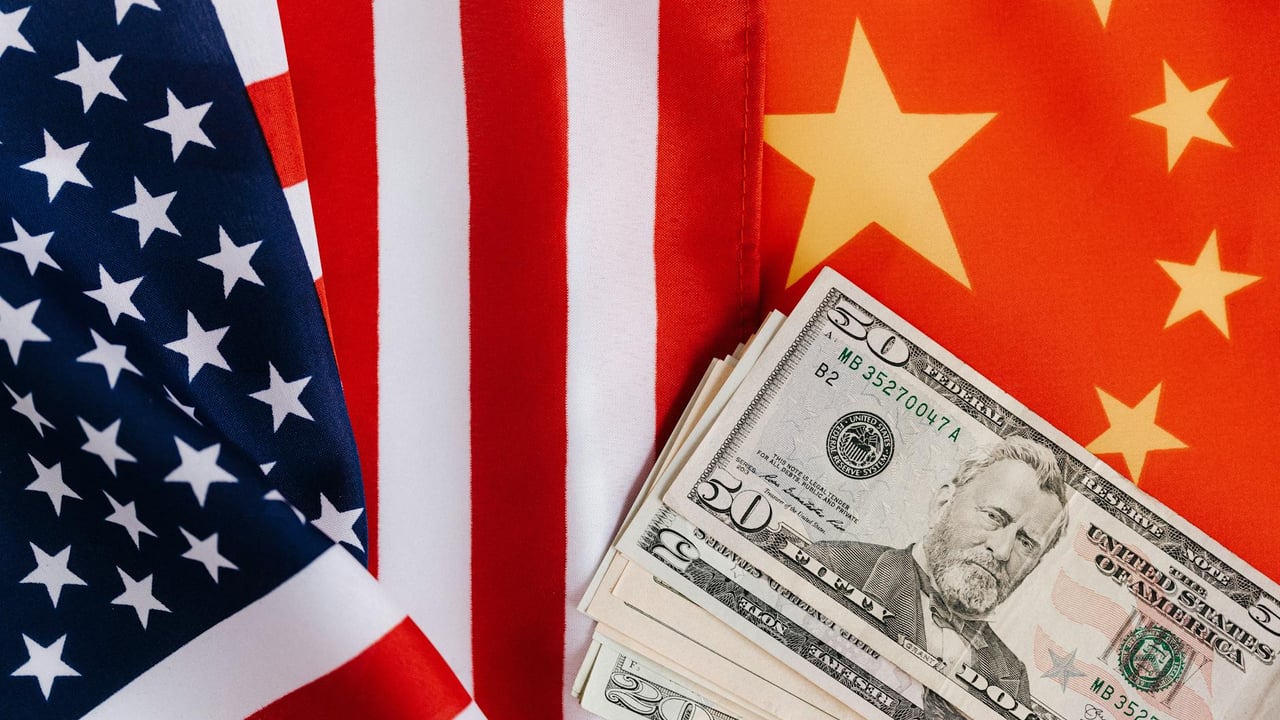
From above of United States banknotes placed on national flags of America and China illustrating international trade concept

Key Takeaways

  • 1China's Foreign Ministry expressed formal concern over the U.S. interception of a tanker bound for Iran.
  • 2Beijing emphasized that the situation in the Strait of Hormuz is 'sensitive and complex' and requires responsible handling.
  • 3The Chinese government is calling for adherence to ceasefire agreements to prevent the further escalation of regional tensions.
  • 4The incident highlights the ongoing friction between U.S. sanctions enforcement and China's regional energy interests.

Editor's
Desk

Strategic Analysis

This diplomatic pushback from Beijing underscores the growing tension between U.S. maritime hegemony and China's reliance on Middle Eastern energy. By framing the U.S. seizure as a threat to regional stability rather than a legal enforcement action, China is attempting to delegitimize unilateral American sanctions on the global stage. As Beijing continues to deepen its strategic partnership with Tehran, we can expect more frequent diplomatic friction whenever the U.S. attempts to disrupt Iranian oil exports. Ultimately, China's priority remains the 'normalization' of the Strait to prevent price shocks, even if that means providing a diplomatic shield for Iranian shipping.

China Daily Brief Editorial
Strategic Insight
China Daily Brief

The Strait of Hormuz has once again emerged as a geopolitical flashpoint following the U.S. military's forced interception of an oil tanker bound for Iran. In a measured but pointed response, Beijing has expressed deep concern over the incident, signaling its unease with American maritime enforcement in one of the world's most critical energy transit corridors.

Foreign Ministry spokesperson Guo Jiakun addressed the situation during a press briefing, emphasizing that the regional dynamics remain both sensitive and complex. While Washington frequently cites sanctions enforcement as the justification for such seizures, China views these unilateral actions as potential catalysts for further instability in a region already teetering on the edge of escalation.

For Beijing, the stakes in the Strait of Hormuz are primarily economic and strategic. As the world's largest importer of crude oil, China relies heavily on the unhindered flow of energy through this narrow choke point. Any disruption, whether through military confrontation or retaliatory shipping seizures, poses a direct threat to China's energy security and industrial stability.

The Chinese leadership is calling on all involved parties to adhere to existing ceasefire agreements and exercise restraint. By positioning itself as a proponent of 'responsible' behavior and international norms, Beijing is implicitly critiquing the U.S. 'maximum pressure' tactics. This diplomatic stance reflects China's broader ambition to act as a stabilizing mediator in Middle Eastern affairs, contrasting its approach with what it portrays as provocative Western interventionism.

Share Article

Related Articles

📰
No related articles found