The Frugal Architect: How Mao’s 1953 Naval Inspection Still Steers China’s Maritime Ambitions

Historical retrospectives of Mao Zedong’s 1953 naval inspection highlight his frugal lifestyle and the foundational call to build a powerful navy. These narratives serve to legitimize China's modern maritime expansion by framing it as a continuation of early revolutionary goals.

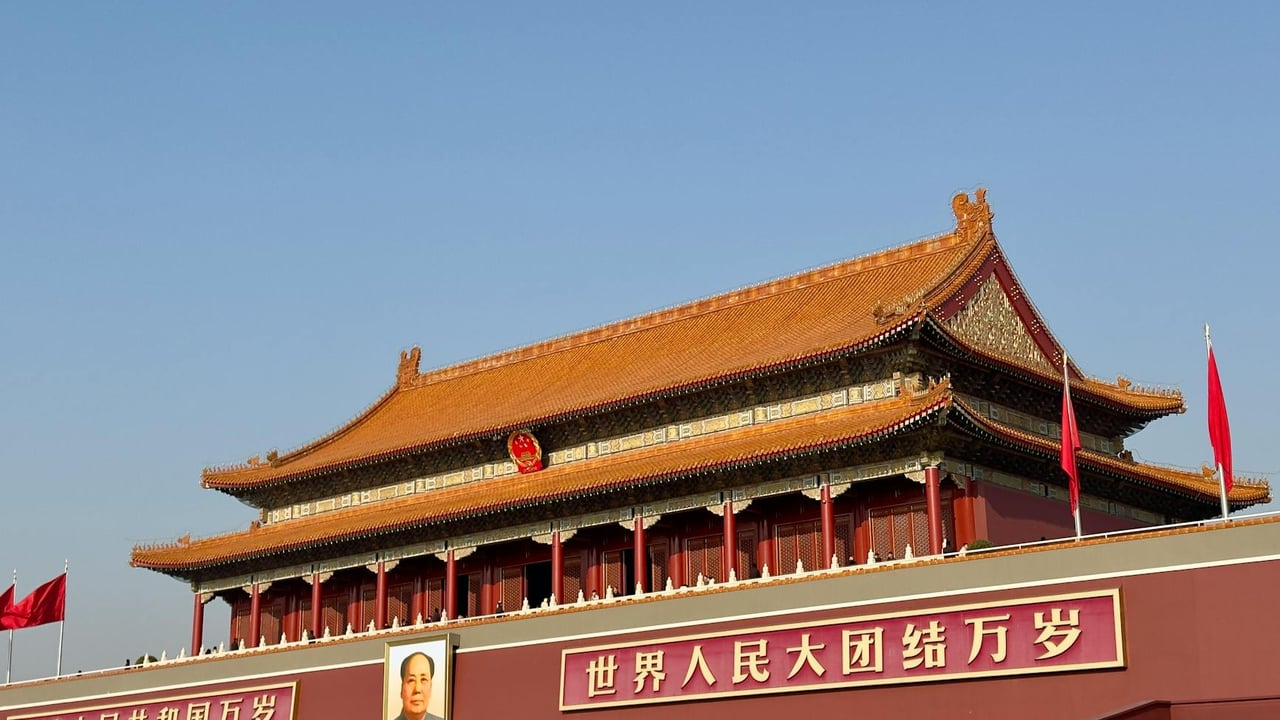
Historic Tiananmen Gate under blue skies in Beijing, China, symbolic and tourist landmark.

Key Takeaways

  • 1Mao Zedong’s 1953 visit to the 'Changjiang' ship lasted four days and three nights, marking his first major naval inspection.
  • 2The Chairman reportedly consumed a menu with lower standards than the average sailor, a detail used to emphasize his connection to the common soldier.
  • 3Mao’s inscription during this visit—'In order to oppose imperialist aggression, we must build a powerful navy'—remains a cornerstone of Chinese maritime strategy.
  • 4The story is being recirculated in contemporary Chinese media to reinforce the 'red genes' and ideological discipline within the modern PLAN.
  • 5State media uses these historical anecdotes to bridge the gap between China’s humble beginnings and its current status as a global naval power.

Editor's
Desk

Strategic Analysis

The re-emergence of this historical anecdote serves a dual purpose in contemporary Chinese political discourse. First, it reinforces the 'cult of the leader' by portraying Mao—and by extension his successors—as selfless servants of the state who share the hardships of the people. This is particularly relevant as Xi Jinping emphasizes military discipline and anti-corruption within the PLA. Second, by anchoring the current 'Blue Water' navy ambitions in a 1953 mandate, the CCP frames its modern military buildup as a defensive necessity against 'imperialism' rather than an expansionist policy. This historical continuity provides the ideological armor needed to justify massive naval expenditures to a domestic audience while signaling to the international community that China’s maritime trajectory is a permanent, non-negotiable national mission.

China Daily Brief Editorial
Strategic Insight
China Daily Brief

In the annals of the People’s Liberation Army Navy (PLAN), 1953 stands as a foundational year, marked by a four-day voyage that continues to shape Beijing’s maritime identity. While modern China now boasts a fleet of advanced aircraft carriers and stealth destroyers, state-directed narratives remain focused on a humble artifact from the past: a 71-year-old menu from the ship Changjiang. During his first inspection of the fleet, Chairman Mao Zedong reportedly lived alongside sailors for four days, adhering to a diet simpler than that of the rank-and-file.

This calculated asceticism was more than a personal preference; it served as a moral baseline for a nascent military force that lacked the hardware to match its regional rivals. By highlighting Mao’s insistence on lower rations than his subordinates, the narrative cements the image of a leader inextricably linked to the common soldier. This tradition of 'struggle' is a recurring theme used by the Communist Party to maintain ideological discipline and institutional legitimacy across generations.

Beyond the culinary symbolism, the 1953 visit produced the strategic North Star for the Chinese military. Facing perceived existential threats in the wake of the Korean War, Mao’s famous inscription—calling for the establishment of a 'powerful navy' to oppose 'imperialist aggression'—provided the ideological justification for decades of intensive development. It transformed the PLAN from a coastal defense force into a central pillar of national sovereignty and regional power projection.

Today, as the PLAN projects influence far beyond the First Island Chain, these historical vignettes serve a vital domestic purpose. By revisiting Mao’s early vision, the current leadership under Xi Jinping bridges the gap between a revolutionary past and a superpower future. The emphasis on the 1953 mandate suggests that China's current naval expansion is not an aggressive pivot, but rather the fulfillment of a long-deferred foundational goal.

Share Article

Related Articles

📰
No related articles found