
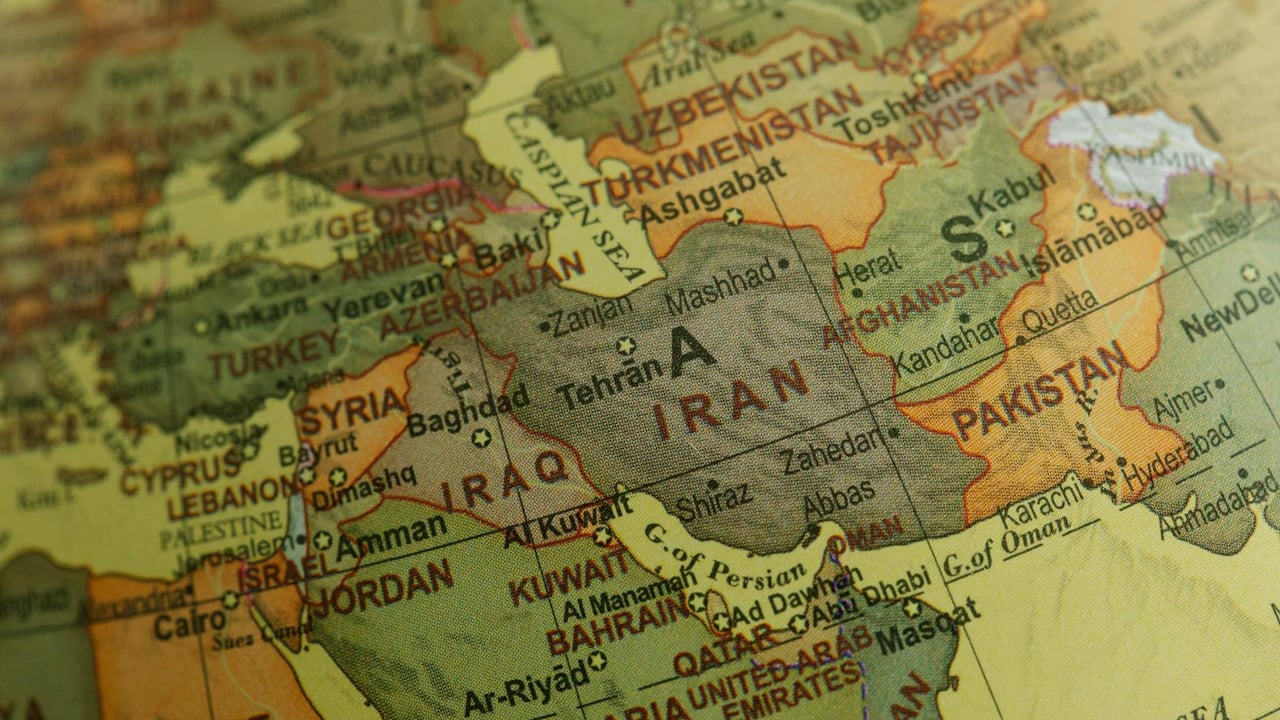

The fragile detente in the Persian Gulf appears to be nearing a violent conclusion as President Trump signaled a return to active hostilities. Following the scheduled expiration of a temporary ceasefire on April 22, the administration has indicated that U.S. forces are prepared to resume bombing campaigns against Iranian targets. This move is characterized not as a failure of diplomacy, but as a deliberate strategic choice to maintain what the White House deems a 'more appropriate' hardline posture.
At the heart of this escalation is the President's conviction that the Iranian regime is currently operating from a position of extreme vulnerability. By claiming that Iran's naval and air capabilities have been effectively neutralized, the administration is betting that further kinetic pressure will force Tehran into a 'grand bargain' on terms favorable to Washington. The rhetoric suggests a belief that the window for Iranian resistance is closing, fueled by the perceived success of an ongoing maritime and economic blockade.
However, this approach carries significant geopolitical risks that extend far beyond the immediate tactical objectives. While the administration touts its 'strong negotiating position,' the history of the conflict suggests that such overt threats often lead to asymmetrical retaliation rather than capitulation. The insistence that Iran has 'no choice' but to yield ignores the potential for desperate escalation from a regime that views its survival as being at stake.
As the military gears up for potential action, global markets and regional allies are bracing for the fallout. The strategy of using overwhelming military leverage to achieve a diplomatic breakthrough remains the central, if volatile, pillar of current U.S. policy in the Middle East. Whether this pressure leads to a landmark treaty or a protracted regional conflagration depends on whether Tehran perceives any viable path forward other than total surrender.