
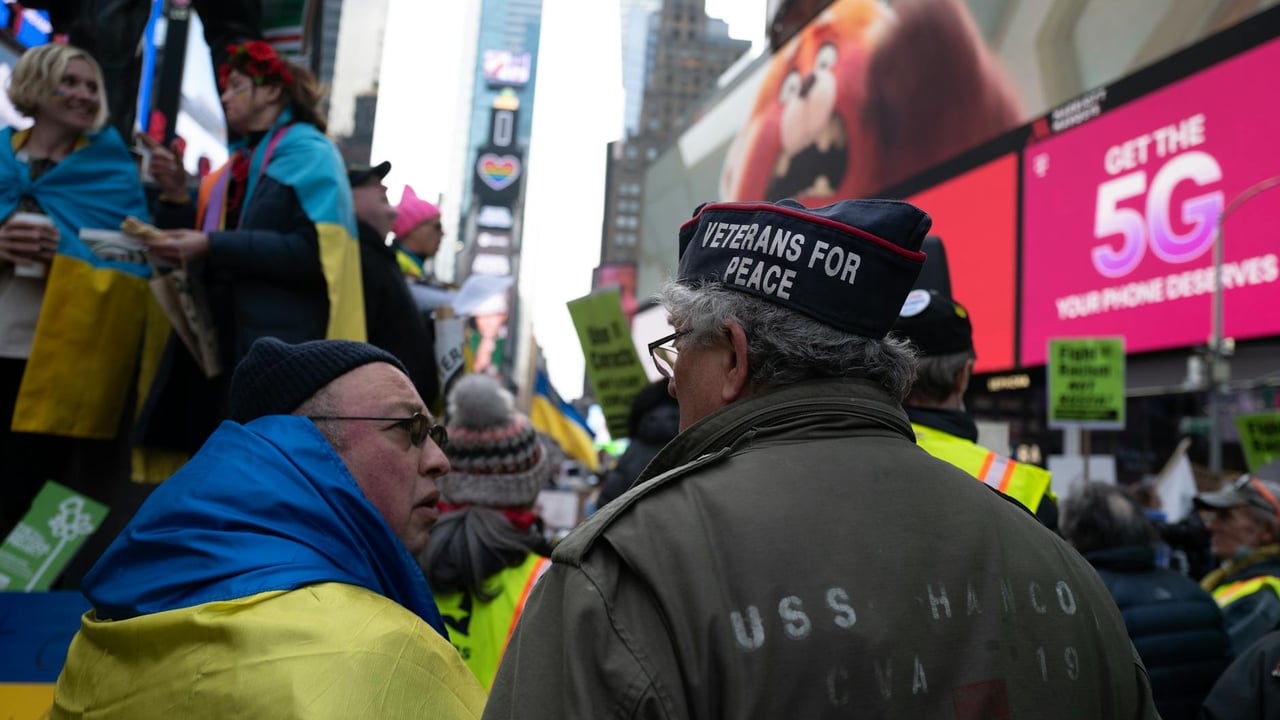

The visual of a veteran being led away in handcuffs while seated in a wheelchair has become the latest flashpoint in a burgeoning domestic debate over American military involvement abroad. On Capitol Hill, over a hundred military veterans and their family members were arrested this week during a high-stakes protest against the ongoing conflict in the Middle East. The demonstration, which saw participants occupying key areas of the congressional complex, highlights a significant rift between the tactical objectives of the Pentagon and the lived experiences of those who have served.
Police intervention was swift as demonstrators refused to vacate the premises, citing a moral obligation to prevent what they termed 'another generation of wasted lives.' The arrests of highly decorated former service members provide a potent symbolic challenge to the current administration's foreign policy. For many of these protesters, the current engagement in the region—often referred to in geopolitical circles as a pivot back to legacy conflicts—represents a failure of diplomatic imagination and a betrayal of the military community.
This surge in veteran-led activism comes at a delicate time for Washington. With the 2026 legislative calendar increasingly dominated by defense spending debates, the presence of former soldiers on the front lines of dissent complicates the traditional 'pro-military' narrative often used by lawmakers to justify intervention. The protesters, organized under various anti-war banners, are not merely demanding a ceasefire but are calling for a fundamental restructuring of how the United States projects power in the Middle East.
The crackdown on these individuals, many of whom suffer from service-related disabilities, has sparked an immediate backlash on social media and within veteran advocacy groups. While law enforcement maintained that the arrests were necessary to restore order and safety to the Capitol grounds, the optics of detaining elderly and disabled veterans suggest a government increasingly at odds with its most respected constituency. This incident is likely to galvanize further protests as the human cost of the conflict continues to occupy the American public consciousness.