Swords for Sale: Japan Breaks Decades of Pacifist Tradition in Bold Weapons Export Shift

Japan has overhauled its defense export regulations to allow the sale of lethal weapons, marking a historic departure from its post-WWII pacifist stance. The move aims to bolster the domestic defense industry and expand Japan's strategic influence but raises serious concerns regarding regional stability.

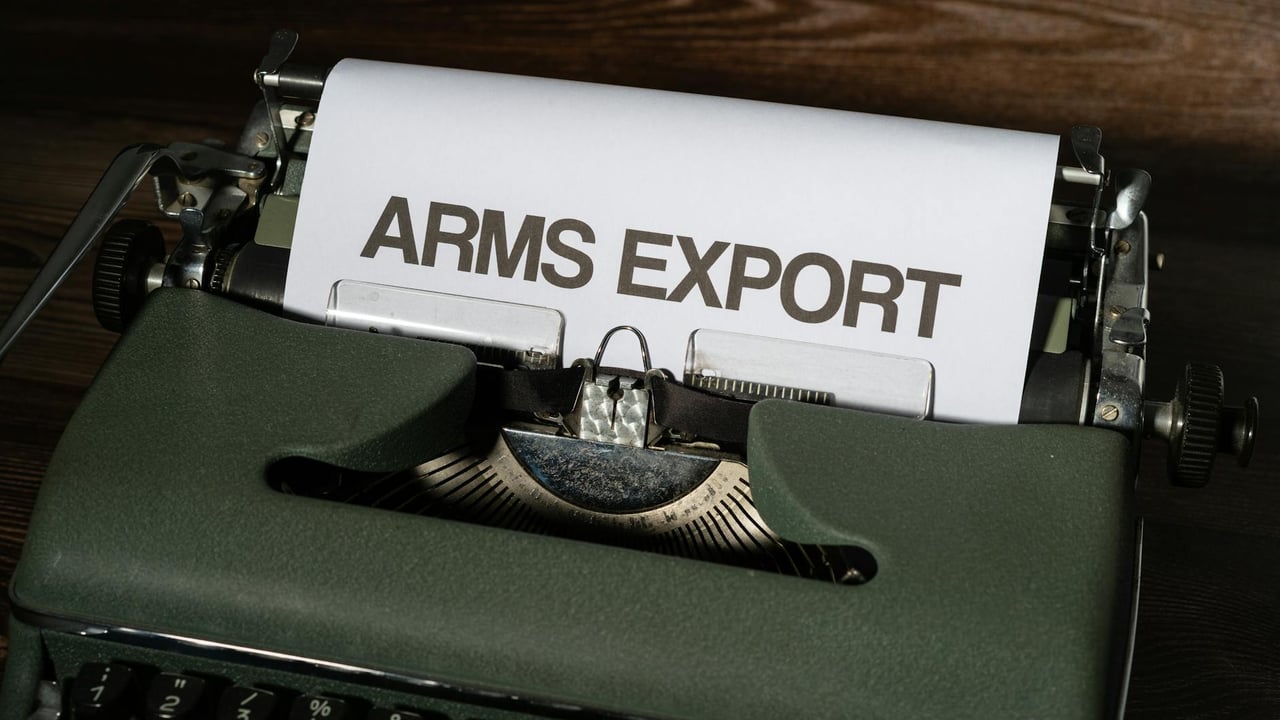
Close-up of a vintage typewriter with paper showing the text 'ARMS EXPORT'.

Key Takeaways

  • 1Japan officially permits the export of lethal weaponry, including tanks, missiles, and fighter jets.
  • 2New rules allow weapons transfers to countries involved in active conflicts under specific exceptions.
  • 3Decision-making authority is centralized in the executive branch, significantly reducing parliamentary oversight.
  • 4The shift is designed to revitalize the domestic military-industrial complex and lower R&D costs through global competition.
  • 5Regional analysts warn of a potential arms race and the erosion of Japan's post-war 'exclusive defense' doctrine.

Editor's
Desk

Strategic Analysis

This policy shift is more than an economic move; it is a calculated geopolitical gambit. By integrating into the global defense supply chain, Japan is signaling its intent to become a 'normal' military power capable of projecting influence through hardware rather than just diplomacy. While this aligns with Washington's desire for a more active Japanese security partner in the face of a rising China, it risks alienating regional neighbors and could paradoxically make Japan a party to distant conflicts. The erosion of the 'peace brand' may provide a short-term boost to the domestic defense industry, but the long-term cost could be a permanent shift in the regional security architecture from one of restraint to one of open competition.

China Daily Brief Editorial
Strategic Insight
China Daily Brief

Japan has taken a decisive step away from its post-war pacifist constraints by formally amending its "Three Principles on Transfer of Defense Equipment and Technology." This move signals a profound transformation in Tokyo’s security posture, effectively ending a long-standing moratorium on the export of lethal military hardware.

The updated guidelines replace a framework established in 2014, which itself was a relaxation of the 1967 "Three Principles on Arms Exports." Historically, Japan restricted exports to non-lethal categories like rescue, transport, and mine-sweeping, serving as a cornerstone of its "exclusive defense-oriented" policy and a signal of its peaceful intentions to the international community.

Under the new regime, high-end lethal systems including tanks, fighter jets, and missiles are now eligible for export. Crucially, the reform introduces bypasses for legislative oversight, concentrating decision-making power within the Prime Minister’s inner circle and allowing weapons to flow even to nations currently engaged in active conflicts.

Tokyo’s logic is two-fold: enhancing its international military footprint and rejuvenating a stagnant domestic defense industry. By entering the competitive global arms market, Japan aims to offset the soaring costs of military research and development, effectively leveraging foreign sales to subsidize its own national rearmament.

However, this pivot creates significant friction within the Indo-Pacific. Critics and regional neighbors warn that Japan’s entry as a major arms supplier could destabilize the existing strategic balance, catalyze a regional arms race, and potentially undermine global non-proliferation efforts by fueling localized conflicts.

Share Article

Related Articles

📰
No related articles found